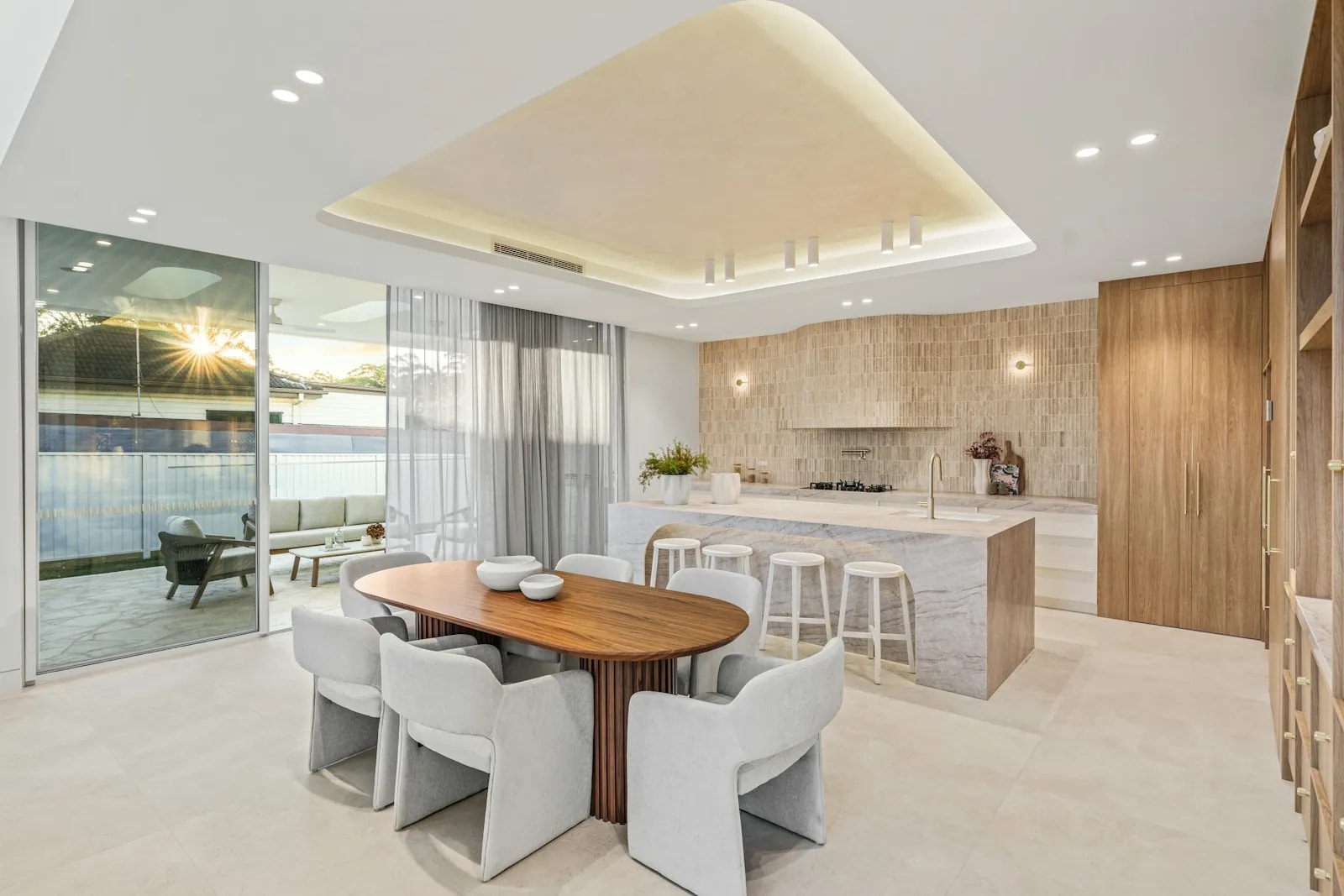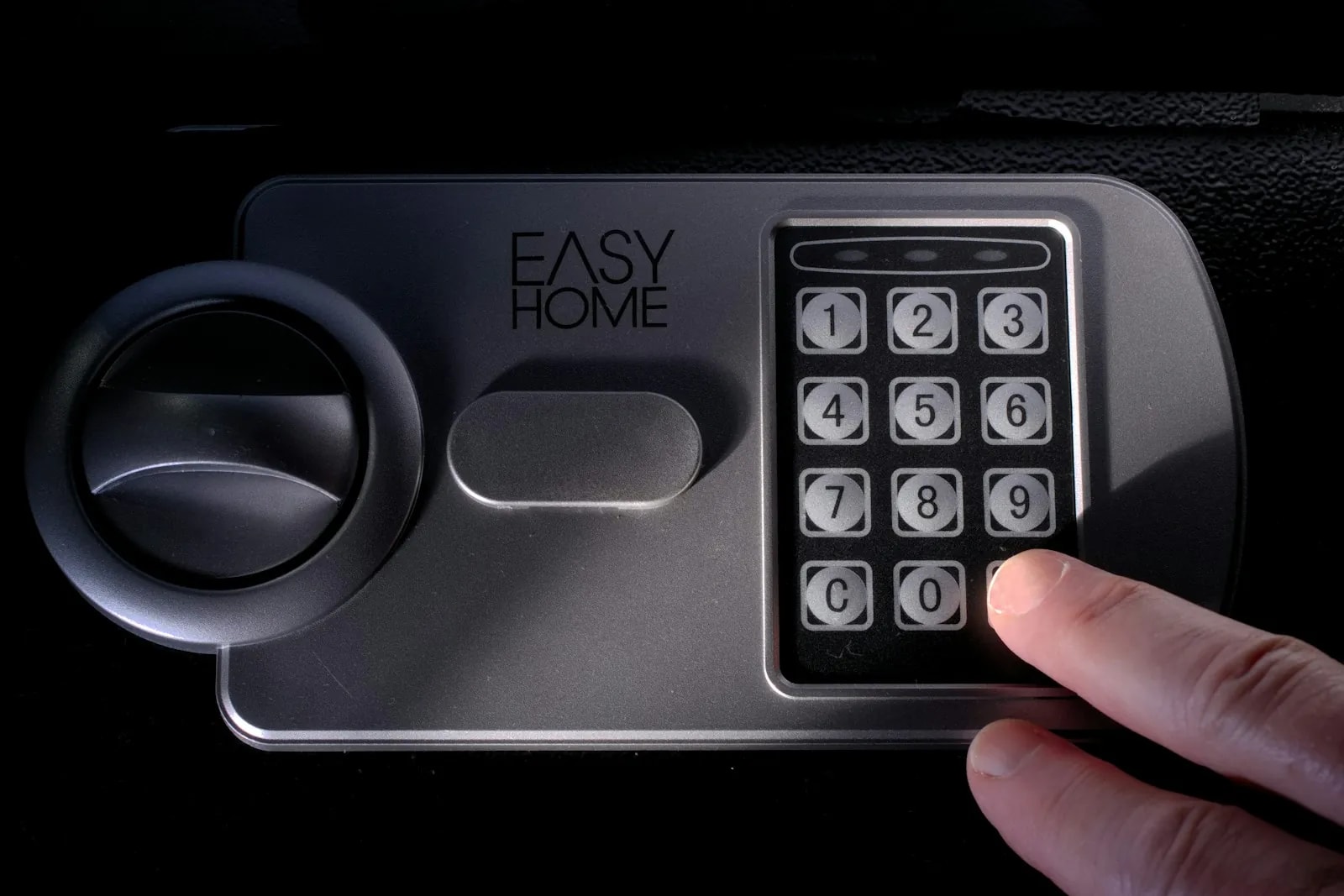
A Dubai villa often runs on more people than the family living in it. A live-in helper, a driver, a cleaner twice a week, a nanny during school hours, a gardener on Saturday morning. Each one needs a different door open at a different time.
The old answer was a spare key, or one code everybody knows. Both create the same problem. You cannot tell who opened which door, and you cannot switch off one person's access without changing it for everybody else.
This guide sets out smart home access for domestic staff, role by role. It also covers what UAE law expects of you as an employer while you do it, because Federal Decree-Law No. 9 of 2022 on domestic workers sets the floor[1] and the Ministry of Human Resources and Emiratisation (MOHRE) is the regulator.[3]
Real talk: automation makes a household easier to run. It does not make an unfair employment arrangement fair, and this article will not pretend otherwise.
Who counts as domestic staff in a Dubai villa?
Domestic staff are the people employed in your household under a MOHRE contract. The jobs covered are listed in the law's own regulation. They include maids, nannies, drivers, cooks, and gardeners.[1][4]
For access planning, six patterns cover almost every villa in Dubai, UAE:
- Live-in helper: lives on the property and works across the house every day.
- Part-time or live-out cleaner: short fixed visits, often twice a week.
- Driver: gate, driveway, and garage. Rarely inside the house.
- Nanny: daytime house access covering the parents' working hours.
- Gardener or pool technician: outdoor areas and plant room only.
- Delivery and one-off visitors: minutes, not months.
Two of those are usually not your employees. A pool technician sent by a maintenance company and a delivery rider both need entry, but neither holds a MOHRE household contract with you. That difference matters, because the employer duties in this article attach to the people you actually employ.
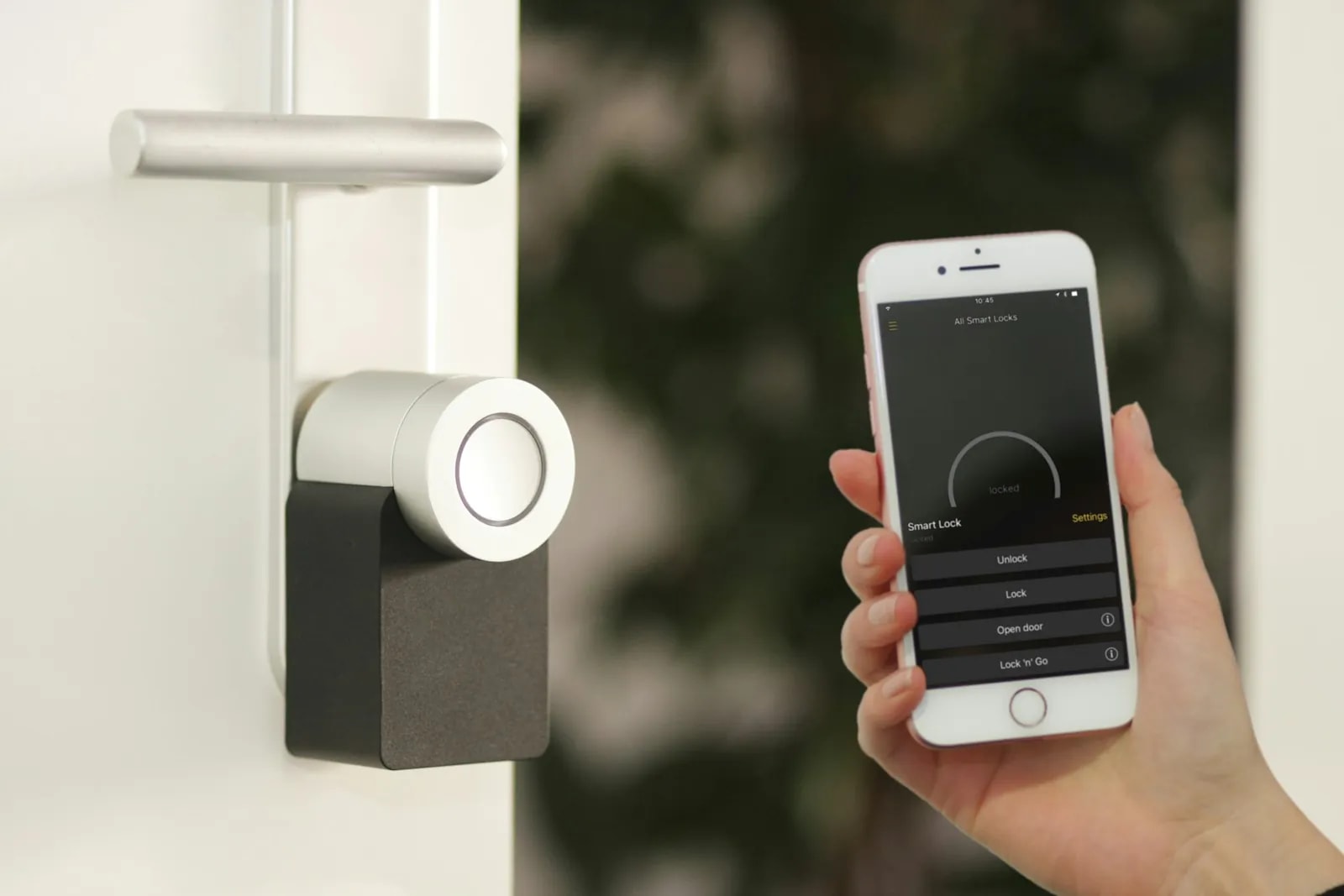
One shared household key cannot express any of this. One code per person can, and that single change is what the rest of this guide builds on. If you are still choosing hardware, our guide to smart locks in Dubai covers the device side.
What access does a live-in helper actually need?
A live-in helper needs the widest access of any role, and it should still be her own credential, not the family's. She lives there. Locking her out of ordinary movement around her own home is neither practical nor decent.
Most villas in Dubai Hills Estate, Arabian Ranches, and Jumeirah Park are already built for this. There is a service entrance near the kitchen or utility yard, and a staff room beside it. The building layout does half the work for you.
The pattern that works:
- Service entrance: her own code, active daily, no time limit.
- Main front door: her own code, active across working hours.
- Her own room: a lock she controls from the inside. That is a lock for her privacy, not one used against her.
- Gate: a keypad code or fob if she runs errands on foot, so she never has to ask permission to walk out.
Common mistake: handing over the family's master code. It cannot be traced to any one person, and the day she leaves you have to change it for every adult in the house.
Her employment terms sit alongside the access plan, never inside it. The MOHRE contract, the wages, the weekly rest day, and her own passport in her own hands are separate duties, and they come first.[1]
What access does a part-time cleaner need?
A smart lock code that works during her visiting hours and at no other time. Tuesday and Saturday, 9am to 1pm, is the shape most Dubai households land on. Outside that window the code simply does not open the door.
This is a standard keypad-lock feature, not a custom build. Yale documents timed access codes on its keypad locks, where you set the days and the start and end time for each code.[8] Aqara's U100 does the same through named users with periodic passwords.[9]
She does not need gate admin rights, app control of other doors, or the power to add codes for anyone else. Cleaning access is a door and a window of time. Keep it that small.
From our projects: the request we hear most often in Dubai villas is not a camera. It is one code per person, on a schedule, removable in seconds.[13]
If she works through an agency and the person changes, the code changes with the person. Do not let a cleaning company keep a permanent household code on file for whoever is on shift.
Does a driver need house access at all?
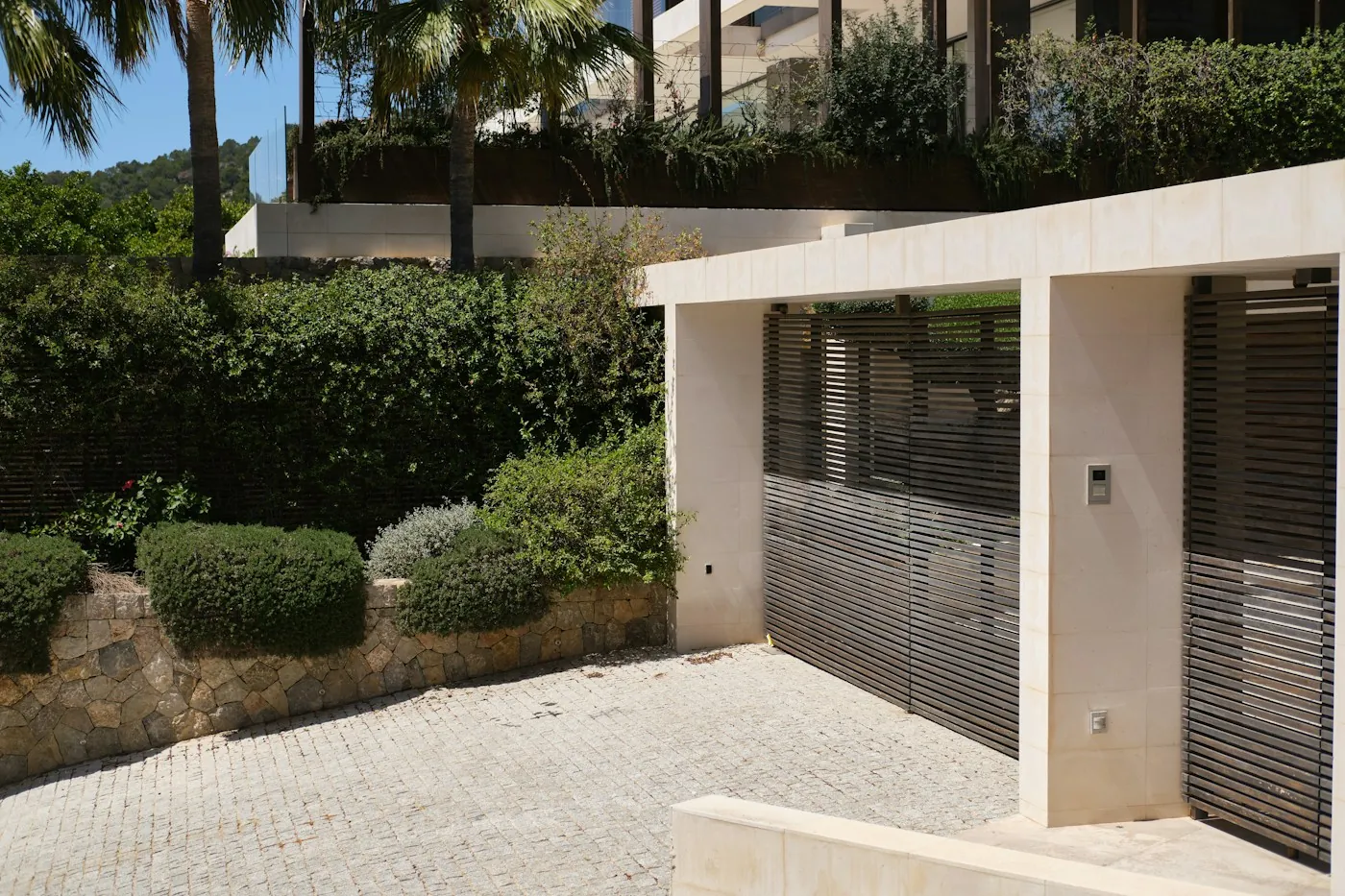
Usually not. A driver's working day happens at the gate, on the driveway, and in the garage. A gate and garage credential covers the whole job without ever touching a house door.
Give him a fob or a keypad code on the gate controller, plus garage door access if he parks and charges the car. If the family decides he also needs the front door for a specific reason, add it deliberately and write the reason down.
Two gates, two systems. Your villa gate is yours, but the community entrance is not. Communities such as Arabian Ranches and Dubai Hills Estate run their own resident and visitor access at the main gate through the developer's community team.[11]
That catches households out. A driver or a service company can clear your villa gate and still be turned away at the community entrance. Those are two separate permissions from two different parties.
What access does a nanny need?
A nanny needs daytime house access wide enough to cover both working parents plus traffic. A cleaner's four-hour slot does not fit her day, so the schedule is the real difference, not the door list.
In practice that means the front door, the kitchen, the children's rooms, and common living areas. The window runs from before the first parent leaves until after the last one gets home. Add a gate credential if she does school runs or park trips on foot.
What she should not get is admin rights in the access app. Adding and deleting other people's codes stays with the household, for the same reason payroll stays with the household.
If there is a camera in a playroom or hallway, tell her it is there on day one, before she starts. Camera footage is personal data under the UAE Personal Data Protection Law, Federal Decree-Law No. 45 of 2021, and consent has to be informed to count.[6]
Does a gardener or pool technician need to come inside?
Almost never. The work is outside, so the access should be outside too: the gate, the side or service entrance, and the pool plant or garden store. No route into the main house at all.
Plan an outdoor tap and an outdoor socket while you are at it. Most requests to come inside are for water, power, or a bathroom, and solving those outside removes the reason to ask.
Third-party crews change often. A pool company may send a different technician each month. Issue the code to the visit, not to the company. Let it expire on its own rather than living on a clipboard in an office.
A gate keypad handles this well. Our smart gate and access control work covers gate motors, keypads, video intercom, and staff PINs from AED 4,500. Outdoor-only scoping is one of the setups we design most often.[13]
How do you let a delivery driver or one-off visitor in without a lasting code?
Issue a code that dies on its own. One-time and short-window codes exist precisely for this, and they are the correct tool for anyone who is not on your household payroll.
Aqara's U-series locks issue one-time and periodic passwords alongside permanent ones.[9] Akuvox SmartPlus goes further at the gate. It generates temporary PIN and QR temp keys tied to a named visitor and a time slot, including vehicle access.[10]
Never hand a visitor a staff member's ongoing code. It breaks the log, it puts a household credential in a stranger's phone, and it forces you to change a code your cleaner relies on.
For a grocery drop at the gate, a video intercom is usually simpler than any code. Someone in the house sees who is there, speaks to them, and opens the gate from a phone or a wall panel. No walking outside in July.
Which access level fits each domestic staff role?
Give each role the smallest zone its job needs. Use this table as the starting map, then adjust it to your villa. Every row is different, which is why one shared key fails.
| Role | House zones | Gate or garage | Typical schedule | Best credential | Remove on exit |
|---|---|---|---|---|---|
| Live-in helper | Service entrance daily, main house during working hours, own lockable room | Gate yes, so she can come and go freely | Daily, with her rest day and daily rest respected | Personal PIN or fob | Same day, all doors |
| Part-time or live-out cleaner | Front or service door only | Gate pedestrian entry during her window | Fixed hours, for example Tuesday and Saturday 9am to 1pm | Scheduled PIN | Same day, or let the schedule expire |
| Driver | None by default | Gate and garage | Working hours, plus on-call if agreed in the contract | Fob or gate PIN | Same day, gate and garage |
| Nanny | Front door, kitchen, children's rooms, common areas | Gate yes, for school runs and park trips | Covers both parents' working hours plus travel | Personal PIN, app optional | Same day, all doors |
| Gardener or pool technician | None. Outdoor and plant room only | Side or service gate | Weekly visit window | Scheduled or one-time gate PIN | Expires by itself after each visit |
| Delivery or one-off visitor | None | Gate for the length of the visit | Minutes, single use | One-time PIN, QR temp key, or intercom buzz-in | Automatic, single use |
Read the last column as protection for both sides. A clean, dated cutoff means nobody argues later about whether a key was ever returned.
How does a smart lock hold a code for each person?
The lock stores a list of credentials, each one tied to a name and a rule. When someone taps a PIN, the lock checks the list and decides whether that code is valid right then. It opens or refuses, and writes the result to the log.
Three code types cover a household with staff:
- Permanent codes: for family and for a live-in helper. Always valid until you delete them.
- Scheduled or recurring codes: restricted to chosen days and hours. Yale calls these timed access codes on its keypad locks.[8]
- One-time codes: valid for a single entry or a short window, then dead. Aqara's U100 handles permanent, periodic, and one-time passwords per named user.[9]
Check the code capacity before you buy. How many codes a lock holds varies by model and by product line, and some models raise the limit with an add-on module. Count your household, add the staff, add room for visitors, then read the specification for the exact model.
Most keypad locks check the PIN on the device itself rather than in the cloud. A Wi-Fi outage stops remote control and phone alerts, but the cleaner's code still opens the door on Tuesday morning. That local behaviour is worth confirming for the model you pick.
We do not repeat the buying advice here. For lock types, community sign-off, and what fits a rented villa, read our full guide to smart locks in Dubai.
Keypad, fob, app, or fingerprint: which credential suits which role?
Match the credential to the person's phone, not to the brochure. A cleaner who changes handsets often is better served by a PIN than by an app. A driver at a car window is better served by a fob.
| Credential | Needs a device? | Revoke one person? | Works in a Wi-Fi outage? | Consent point | Best fit |
|---|---|---|---|---|---|
| Keypad PIN | No | Yes, delete that code | Yes, checked on the lock | None. A number is not personal data about the body | Cleaners, gardeners, most staff |
| Fob or key card | A token, not a phone | Yes, deregister that fob | Yes | None | Drivers, gates, anyone without a smartphone |
| Smartphone app | Yes, plus data or Wi-Fi | Yes, remove the user | Often no for remote unlock | Location and notification permissions | Family members and remote buzz-in |
| Fingerprint or biometric | No | Yes, delete the enrolment | Yes | Biometric data under the UAE PDPL. Informed, withdrawable consent required | Family, and staff who have agreed to it |
On fingerprints, be straight with people. Enrolling a domestic worker's fingerprint without telling her is a consent issue under the UAE PDPL, not just bad manners.[6] Ask, explain what is stored, and accept no as an answer.
If she would rather not be enrolled, give her a PIN or a fob. Nothing about the household's organisation gets worse, and you have avoided taking biometric data from someone who did not want to give it. For the wider legal picture, see our guide to smart home laws in Dubai.
How do gates and video intercoms extend staff access past the front door?
The gate is where most staff access starts, and it is the layer households forget to plan. A gate motor controller paired with a keypad, fob reader, or app makes the property boundary work like your front door. Same schedules, same log.
A video intercom adds the human step. Someone in the house sees the person at the gate, talks to them, and decides. It also issues temporary PIN or QR credentials for a one-off visit, so nobody has to be home to hand over anything.[10]
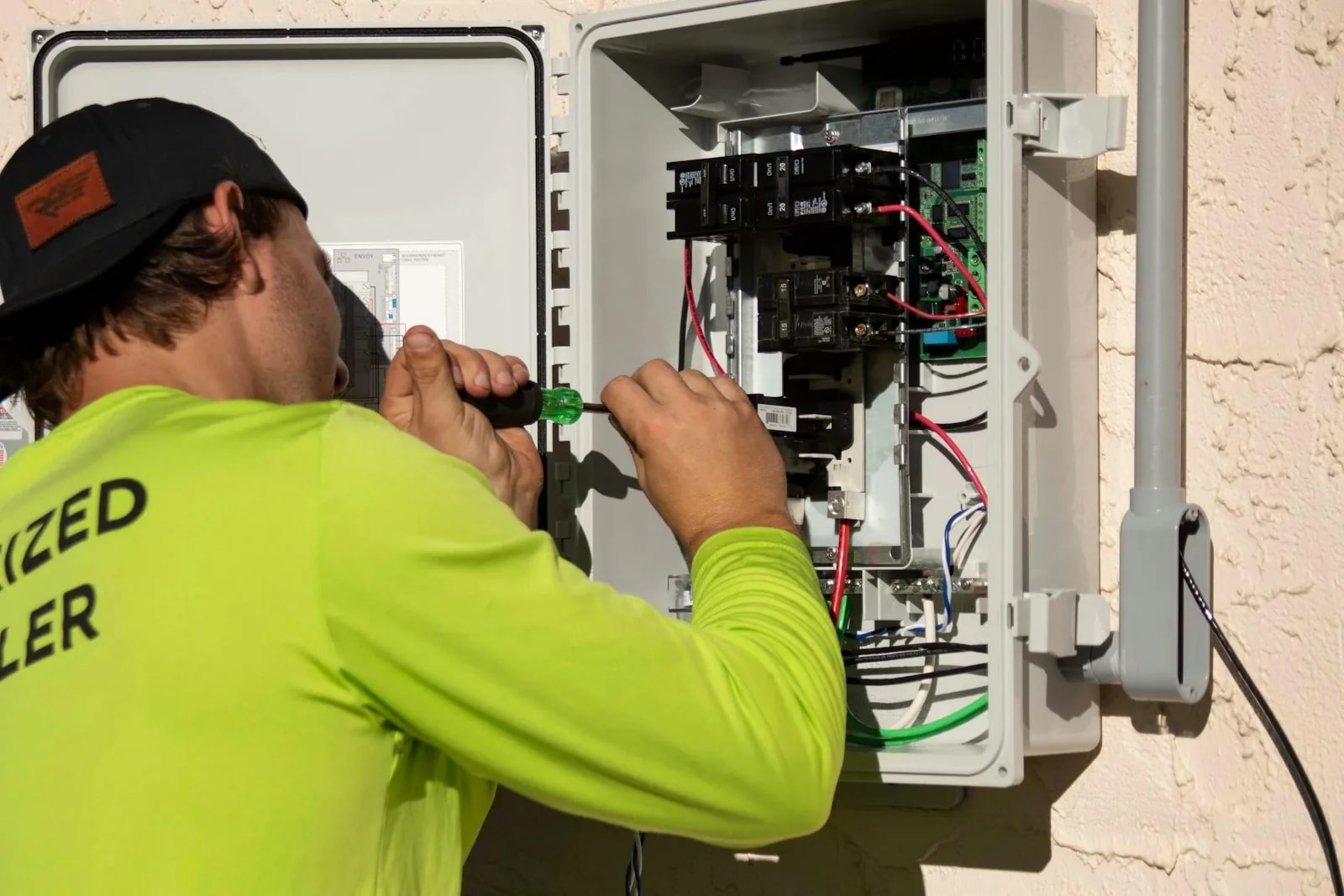
App-based gate control leans on the villa network, so plan the coverage. A gate 40 metres from the router is a classic dead spot in Emirates Hills and Jumeirah Golf Estates. Our home networking team plans a cable run rather than hoping Wi-Fi reaches.
Want a monitored response on top of the access layer? Dubai Police runs an optional Smart Home Security service from around AED 147 a month.[12] That is a separate decision from who holds which code, and it does not replace the access plan.
Why do access logs beat cameras for this job?
Because a log answers the question you actually have, and a camera answers a question you should not be asking. If what you want to know is who came and went and when, the log tells you that and stops there.
An access log tells you the front door opened at 08:02 and locked again at 13:04. It tells you nothing about what happened inside a private room. That is not a limitation. That is the point.
A log is also better evidence than footage for the ordinary household questions. Did the gate close after the pool visit. Was the door opened at 2am. Which code was used at the side entrance on Friday. Each of those is a one-line answer with a name and a timestamp.
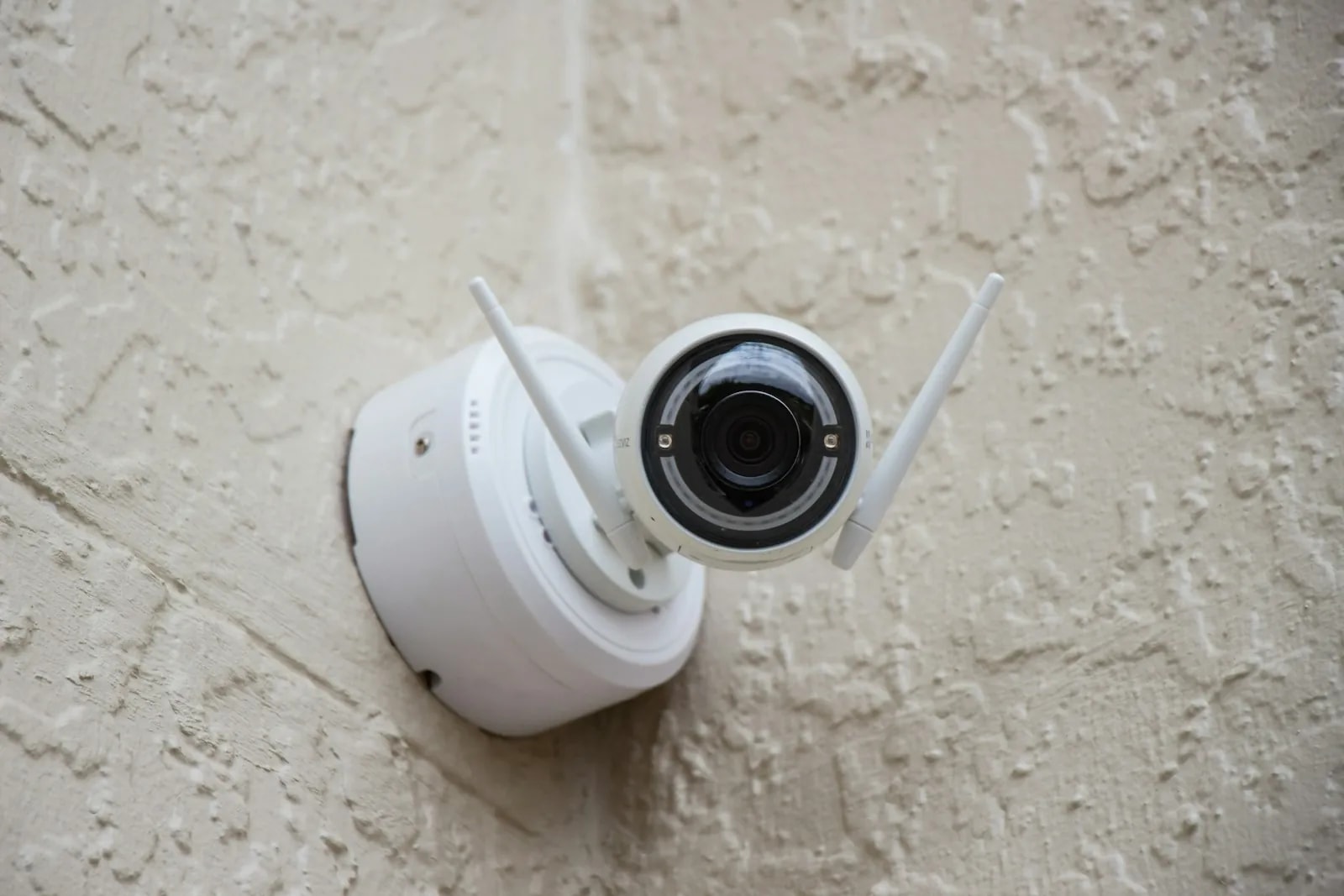
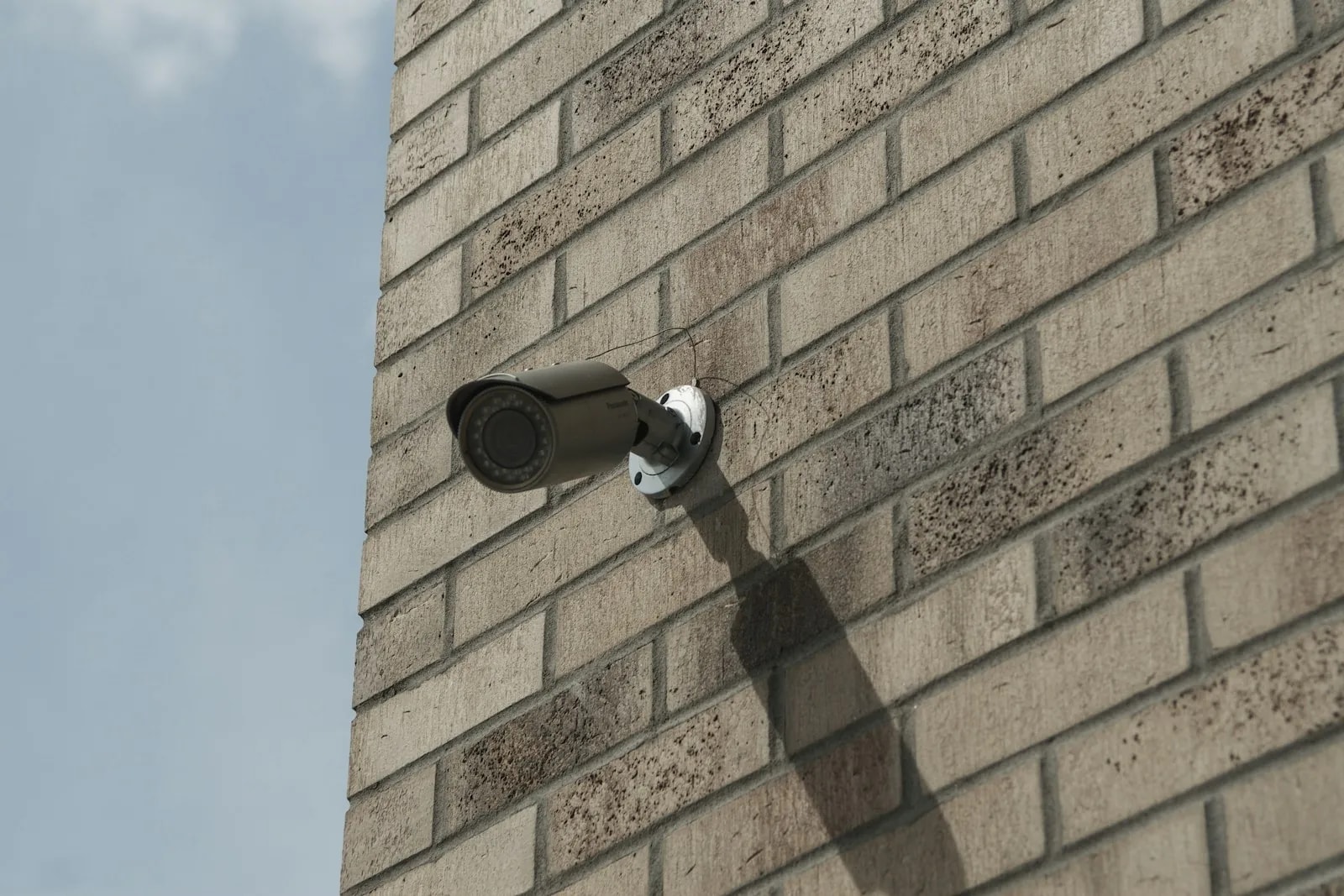
Cameras still have a place, mostly outdoors and at entrances. SIRA sets the equipment side in Dubai, including a 1080p HD minimum and 31 days of retention.[7] Those are hardware rules, not placement rules, and they say nothing about staff privacy. Our guide to SIRA CCTV requirements in Dubai covers that side properly.
Where cameras belong in your plan, our security and surveillance team designs the system and coordinates the install from survey to handover. Choosing between systems is a different question again, covered in our comparison of the best smart security systems in Dubai.
Say it out loud anyway. Tell everyone in the house, staff included, that the doors keep an entry log and where the cameras are. A record people know about is organisation. A record they discover later feels like something else entirely.
How do you remove access the day a helper's job ends?
You delete one credential, and it stops working immediately. No locksmith, no re-keying, no changing the code for the other five people who live there. This is the strongest practical argument for the whole setup.
Compare it with a key. When a two-year contract ends and a key is not returned, the household has three bad options. Replace the cylinder, live with the doubt, or ask an awkward question nobody enjoys. All three are worse for the departing worker than a clean cutoff.
The lifecycle, start to finish:
- Onboard: issue a personal credential in her own name, never a shared one.
- Scope: set the doors and the schedule that match the actual job.
- Explain: show her which doors her code opens, and tell her the door keeps an entry log.
- Run: leave it alone. The log accumulates without anyone watching anything.
- Close: on the last working day, delete the credential and note the date.
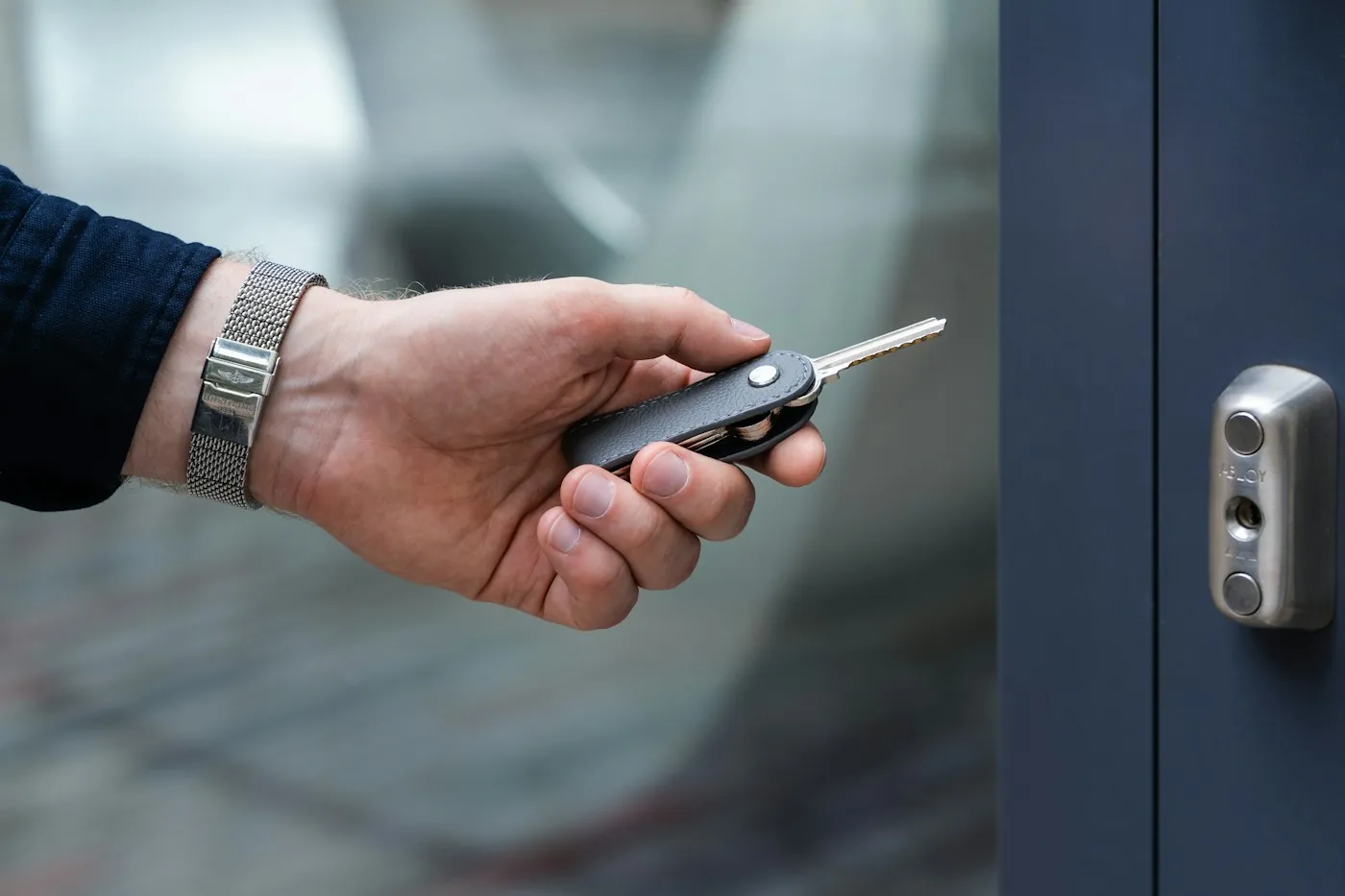
The same routine handles a transfer. If a worker moves to a new employer under MOHRE's transfer rules, her old credential ends on her last day and nothing lingers.[3]
Keep a short written record of who holds what. A one-page list of names, doors, schedules, and start dates takes ten minutes to make and settles every future question about access in the house.
What does UAE law require of you as an employer?
Federal Decree-Law No. 9 of 2022 Concerning Domestic Workers is the governing text.[1] It repealed Federal Law No. 10 of 2017 and was later amended by Federal Decree-Law No. 21 of 2023.[2] MOHRE is the authority that enforces it.[3]
Five points matter directly to a household planning access. Read them as the frame around the technology, not as small print underneath it.[5]
| Topic | What the law says | Where it sits | What it means for your setup |
|---|---|---|---|
| Passport and documents | A domestic worker should be allowed to retain all official documents. Holding her passport is contrary to this | Article 11.11, Federal Decree-Law No. 9 of 2022 | Her passport stays with her. No lock, safe, or access system changes that |
| Rest day and daily rest | A paid weekly rest day, plus at least 12 hours of rest a day including at least 8 consecutive hours | Article 9, Federal Decree-Law No. 9 of 2022 | Schedules and gates must support her time off, never restrict it |
| Dignity and safety | The employer must be respectful, treat the worker with courtesy, and maintain her dignity and safety | Article 11.6, Federal Decree-Law No. 9 of 2022 | No hidden devices, no cameras in her room, no rules you would not accept yourself |
| Forced labour | Forced labour and any practice that amounts to human trafficking are prohibited | Article 4.4, Federal Decree-Law No. 9 of 2022 | A gate or lock must never be set up to prevent someone leaving |
| Cameras and biometrics | Images and biometric data are personal data, and consent must be informed and can be withdrawn | UAE PDPL, Federal Decree-Law No. 45 of 2021 | Disclose every camera and every fingerprint enrolment before it happens |
One honest caveat. The widely circulated English version of the 2022 law is marked as not an official translation. The article numbers above are quoted from it in good faith. For anything you plan to rely on legally, check the official Arabic text or ask MOHRE directly.[3]
The law also sets the ordinary employment basics. It covers the MOHRE contract, a probation limit, 30 days of paid annual leave a year, and medical cover.[4] Breaches carry fines, and the most serious ones carry prison. None of that is optional, and none of it is solved by better hardware.
Where does household security cross into surveillance?
At five specific points. These are not judgment calls or grey areas. A smart home company that will not say them out loud is not being useful to you.
1. Never a camera in a private room or a bathroom. That includes a live-in helper's own room. It stays true if she agrees to it, if the house belongs to you, and if you have a security reason. There is no version of this that is acceptable.
2. Disclosure is not optional. If a device can see, hear, or record a person, or store their fingerprint, that person must be told before it happens. Consent under the UAE PDPL only counts when it is informed, and it can be withdrawn later.[6]
3. Never configure a gate or lock to restrict someone's freedom of movement. Locking a worker in is not access control. It cuts against the rest entitlements in Article 9 and the ban on forced labour in Article 4.4. That is the exact practice the law exists to prevent.[1]
4. Logs, not lenses. When you want to know what happened at a door, read the entry log. It gives you the time and the credential without watching anybody, and it is the right tool for a household that employs people.
5. Automation is not a substitute for lawful employment practice. An employer with a beautifully scheduled lock who still holds a passport, skips the rest day, or never registered the contract has not solved anything. The technology is the easy part. Do the employment part properly first.[1]
Put plainly: the goal is a household that is organised and fair. Access control is a filing system for doors. It is not a tool for managing a person, and it should never be used as one.
What should you do next?
Start by writing down who currently holds a key or knows a code. Most Dubai households cannot finish that list from memory, and finding that out is usually the moment the whole project makes sense.
Then map the property in three zones: gate and driveway, outdoor and pool, house interior with its service entrance. Put each person into the smallest zone their job needs, using the role table above as the starting point.
Quick sanity check before you buy anything:
- Does every person have their own credential, with no shared code left in use?
- Does each schedule match the real working hours in the contract?
- Can you delete one person without touching anyone else?
- Has everyone been told about the entry log and any cameras?
- Is there a written list of who holds what, with dates?
If the answer to all five is yes, the setup is doing its job. If any answer is no, that is the thing to fix, and it is usually cheaper than you expect.
Our smart gate and access control work starts from AED 4,500. It covers gate motors, smart locks, video intercom, and staff PINs, with scheduling and logging set up on handover. Dubai Smart Home designs smart home automation across Dubai, coordinates each project through to that handover, is rated 4.9/5, and answers sales enquiries within 2 hours.[13]
For the wider picture, read our complete smart home guide for Dubai and the breakdown for Dubai villa owners.
Want the access side mapped for your own villa? Book a site visit and we will walk the property with you. Or message us on WhatsApp with a photo of your gate.
Bring your household list to the visit. We would rather plan around the people you actually employ than recommend a lock and leave you to it. Talk to our Dubai team.