You do not need to spend AED 250,000 to have a real smart villa. You need the right order. Most Dubai villa owners who try to do everything at once overspend on the wrong things and skip the one upgrade that pays for itself. A phased plan fixes that.
We have wired and retrofitted villas across Dubai since 2016, from Arabian Ranches family homes to Emirates Hills estates. This roadmap is written from the install side. It shows the three phases we actually build in, what each costs in AED, and where the money comes back. For the wider picture first, read our complete smart home guide for Dubai.
How do you turn a Dubai villa into a smart home?
You do it in three phases, cheapest and highest impact first. Phase 1 is quick wins: smart AC, lighting, cameras, and locks. Phase 2 is the wired backbone that ties the whole villa into one system. Phase 3 is the premium layer, like a cinema or solar. You can stop after any phase and still own a home that works.
Start here: the reason to phase it is money and mess. Phase 1 targets cooling, the biggest line on your DEWA bill in summer, so it starts paying you back from the first month[10]. The bigger, more disruptive work waits until you have banked that saving.
Each phase is built to stand on its own and to feed the next one. Do Phase 1 well and nothing gets thrown away when you add Phase 2. That is the whole point of a roadmap: no rip and replace, and no paying twice for the same wall.
Before you start: pre-wire versus retrofit
If your villa is still being built, wire it now. Pre-wiring during construction is 60 to 70 percent cheaper than retrofitting a finished home[10]. That single decision changes the cost of everything that follows.
The Dubai reality: the saving is real, and here is why. Cabling alone can cost 25 to 40 percent more in a finished villa than in an open build. Then you have to chase channels into plastered concrete walls, and replaster and repaint them after. A full retrofit commonly runs two to three times the build-stage cost for the same work. That is where the 60 to 70 percent figure comes from.
New builds have a narrow window. There are roughly 10 days between the first-fix wiring stage and the walls being closed up. That is when structured cabling, blind-motor power circuits, and touchscreen backing all have to go in. Miss it, and you are retrofitting.
Best for a build you are not ready to fully automate: still ask the builder for one thing. Cat6A network cable to every room, empty conduit between floors, and power at every window head for future blinds. This keeps most of the pre-wire saving for whatever you add later, at almost no extra cost now. New Dubai communities are increasingly built smart ready. This follows Dubai Municipality's Al Sa'fat green building rules[4] and TDRA's smart buildings guideline[5]. So check what your developer already ran.
Already living in a finished villa? You are in good company, and you are not stuck. A well-designed wireless system delivers 70 to 80 percent of the function of a fully wired one, at a much lower install cost. Only a few things truly need cable in a retrofit: in-ceiling speakers, a dedicated cinema, proper networking, and wired keypads. For the wired versus wireless trade-off in plain terms, see our guide to smart home protocols in Dubai.
Phase 1: the quick wins
Phase 1 is where almost every villa owner should start. It covers smart AC and climate control, lighting scenes, security cameras, and smart locks or basic gate entry. It runs about AED 30,000 to 80,000 and installs in days to about two weeks if no chasing is needed[10].
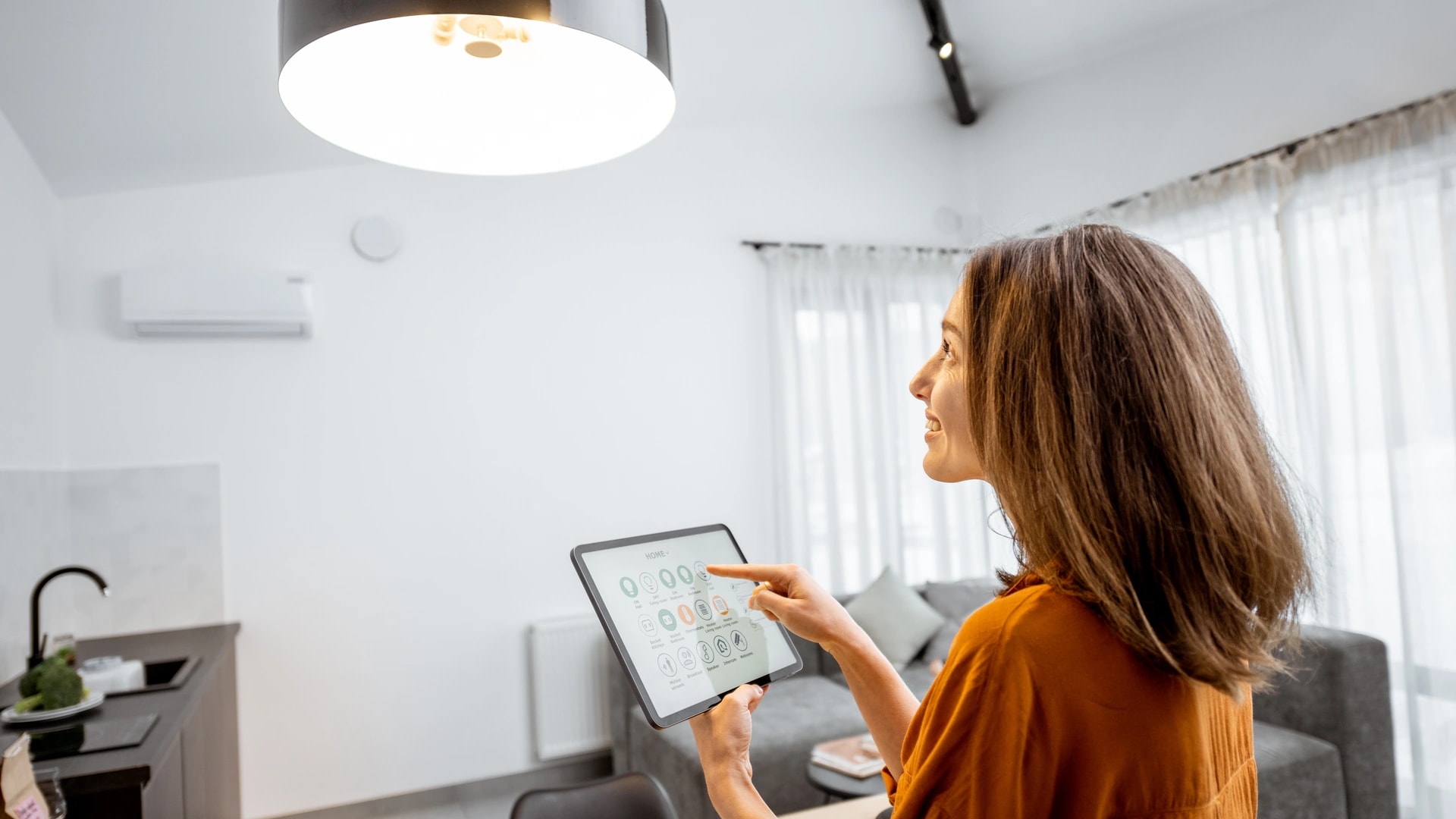
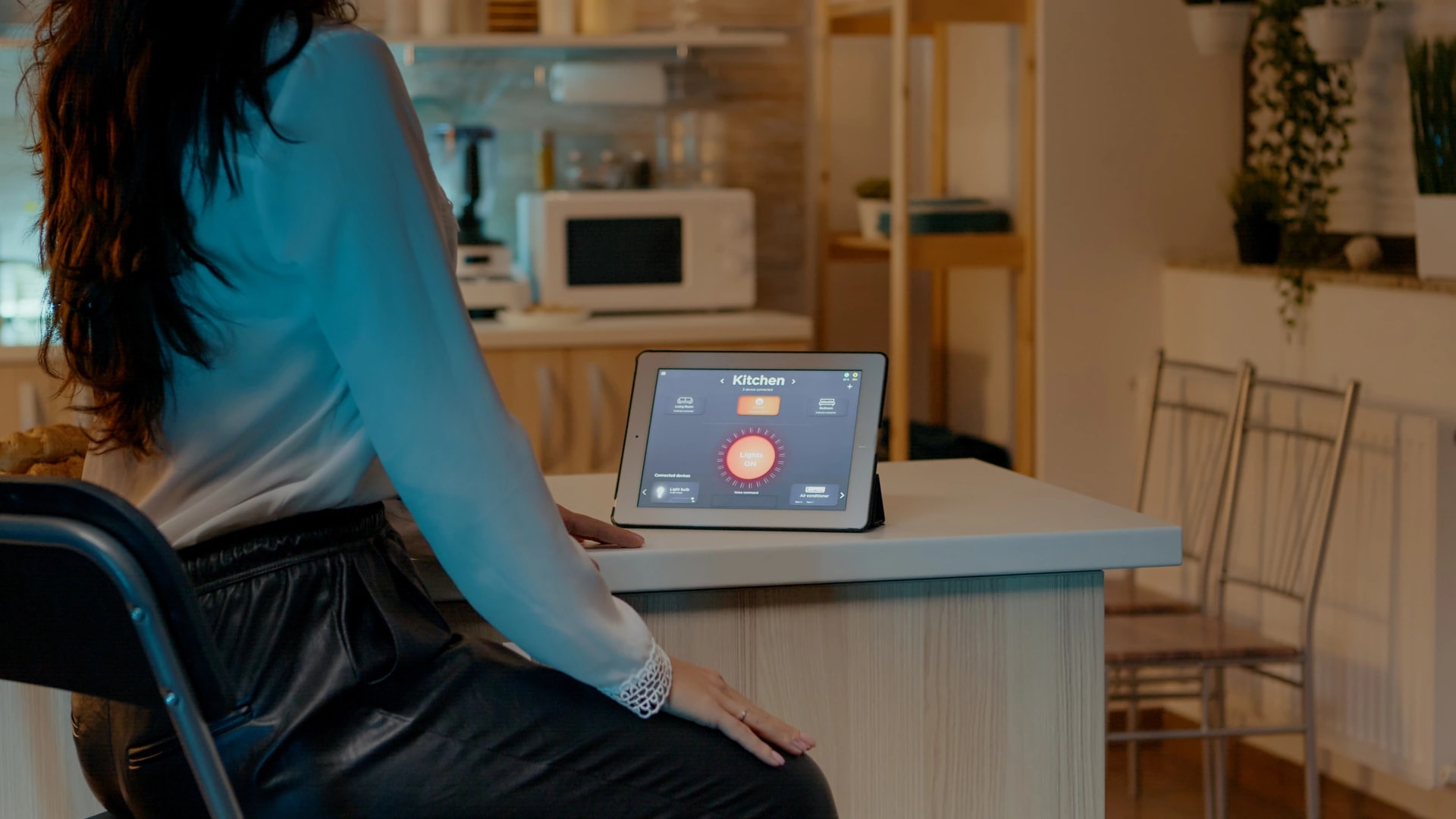
Smart AC and climate control comes first. Cooling is the biggest line on a Dubai villa's summer bill, so this is the fastest payback in the whole roadmap. Smart AC and lighting control cut cooling costs 20 to 30 percent[10]. DEWA's own guidance backs the logic. Each degree above the 24 C setpoint saves up to 5 percent. A modern 4 or 5 star AC unit can cut cooling use by up to 25 percent[1]. Zone-by-zone control matters more in a villa than a flat. A west-facing majlis and a shaded bedroom wing need different schedules. See our smart lighting and climate control work for the villa setup.
Lighting is the upgrade you feel every day. Scenes for morning, evening, away, and entertaining are what turn a pile of smart bulbs into something your whole family uses without a manual. Lutron, KNX, and Aqara are the systems we fit most often.
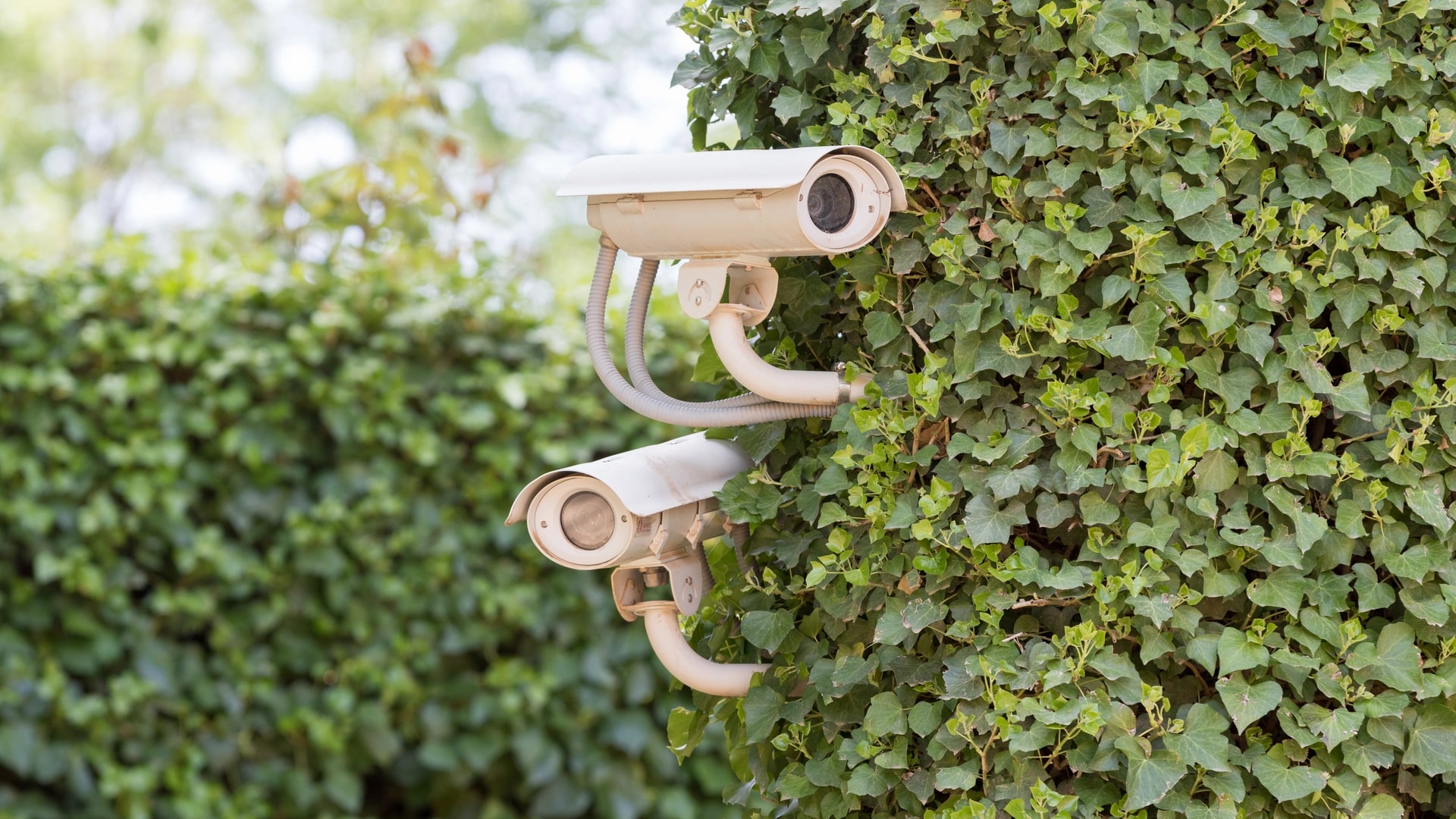
Cameras and locks round out the phase. A private villa can run its own SIRA-standard cameras with no approval or registration needed[3]. Add smart locks and a video doorbell and you can see and manage your gate and front door from your phone. Our security and surveillance page covers the home setup. And smart gate and access control handles driveway entry, intercom, and staff PIN codes. That is a villa-only need no apartment has.
Quick math: a villa paying AED 4,000 a month to DEWA in summer can save AED 800 to 1,200 a month once smart AC and lighting control are in[10]. Over the warm months that is roughly AED 5,000 to 8,000 a year, so Phase 1 often pays for a large part of itself before you touch Phase 2. Want a number for your own villa? Book a free site visit and quote →
Phase 2: the whole-home backbone
Phase 2 is the biggest step and the one that decides everything after it. It moves you from a set of separate gadgets to one integrated system with a real backbone. It runs about AED 80,000 to 250,000 or more, and a full retrofit at this scope takes 4 to 6 weeks[10].
KNX is the backbone. KNX is a wired system that runs without the internet and lasts 30 years or more. It is an open standard with more than 500 certified manufacturers, so you are never tied to one installer[8]. This directly answers the worry every villa owner has: your lights, AC, and scenes keep working even when the Wi-Fi drops. On top of KNX you can layer a Control4, Crestron, or Savant controller for the app and AV experience. For the full brand-by-brand comparison, read our Control4 versus Crestron versus Savant guide for Dubai.
Motorized shading across the villa is a Phase 2 job, not a one-room add-on. A villa has more windows and more sun exposure than a flat, and shading saves roughly 15 to 20 percent on cooling load[10]. Blinds that close on a schedule during the harsh afternoon sun save more than blinds you have to remember to close. See our motorized curtains and blinds work for the villa-wide setup.
Whole-home audio spans indoor rooms, the majlis, and outdoor zones. Dubai's climate keeps outdoor living usable most of the year, which is why garden and pool audio matter more here than in colder markets. Our whole-home audio page covers multi-room and outdoor zones.
The network is the part people skip, and the part everything depends on. Dubai's reinforced-concrete walls block Wi-Fi more than timber-frame homes elsewhere, so mesh nodes talking to each other wirelessly underperform. The fix professionals agree on is to run Ethernet cable between the nodes. A 4,000 square foot villa usually needs three access points: ground floor, first floor, and near the garden or pool. Our home networking work builds this backbone so your KNX, audio, and cameras all sit on something solid.
Phase 3: the premium layer
Phase 3 is the layer that makes a villa the one people mean when they say "fully automated." It is optional and additive, so you price each system on its own, not as one bundled number. A family villa in Arabian Ranches rarely needs all of it. A signature Palm Jumeirah estate often wants most of it.
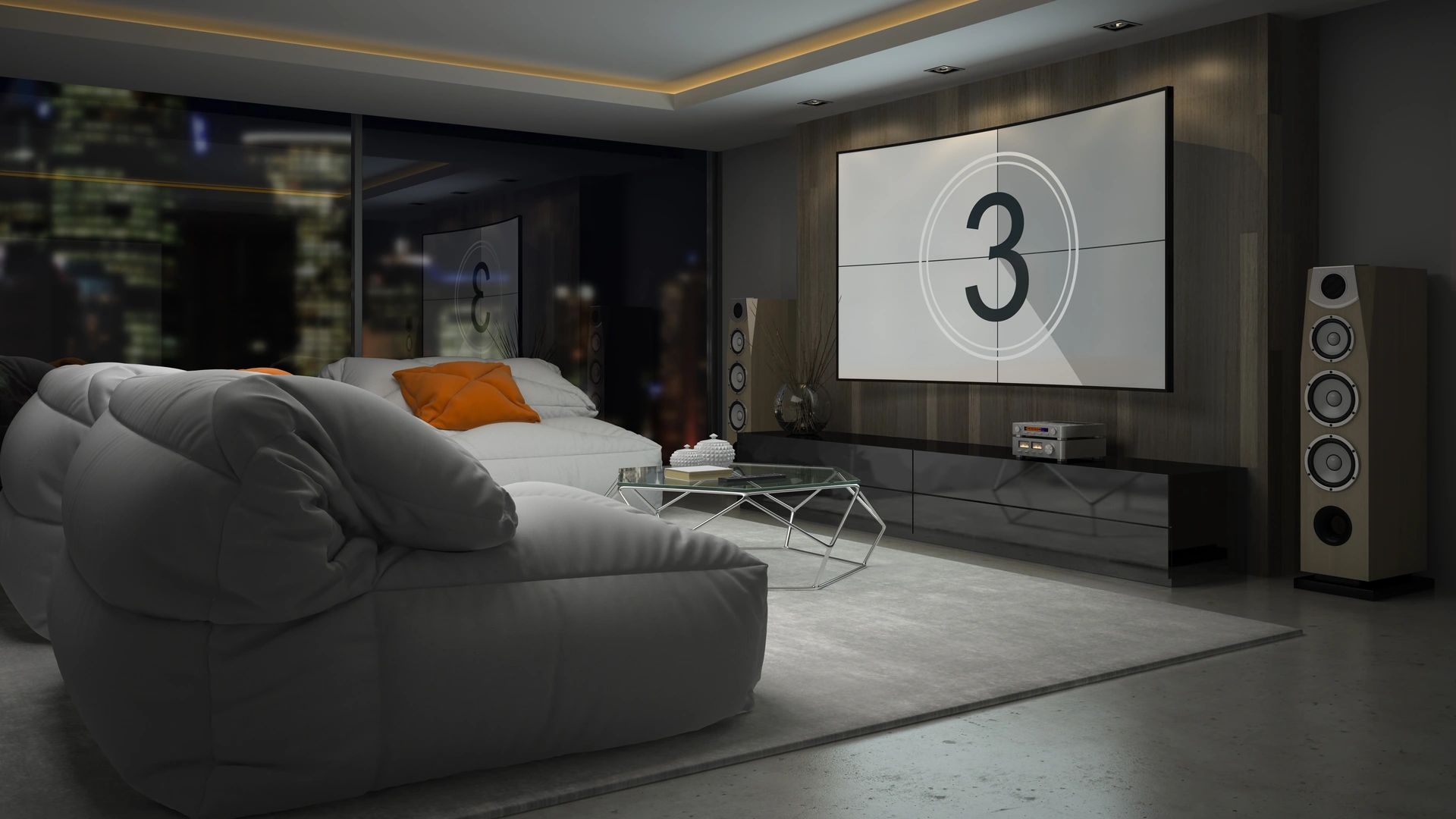
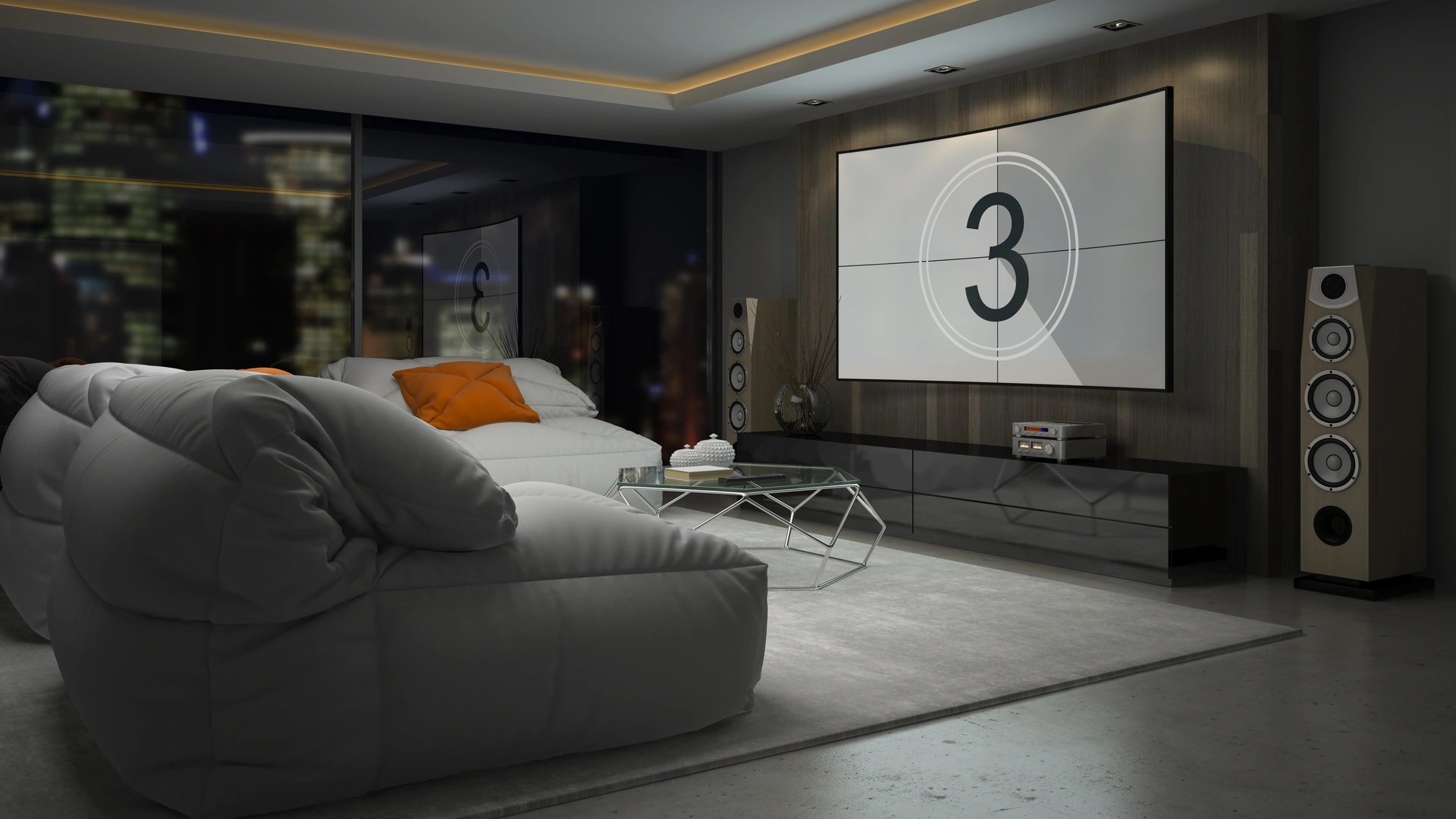
Home cinema is the clearest premium system. An entry room with a large 4K screen and 5.1 surround runs about AED 15,000 to 35,000. A flagship room with a laser projector and full Dolby Atmos runs AED 250,000 to 500,000 or more[10]. A basement, majlis, or spare bedroom converts well, because it is already separate from the main living areas. We build with JVC, Trinnov, and JBL Synthesis through our home cinema service.
Pool and outdoor automation is a villa-only category, and people confuse it with the pool build itself. The control layer (app control, scheduling, remote monitoring) runs AED 5,000 to 30,000, while heating or chilling equipment is a separate AED 15,000 to 40,000. Smart drip irrigation with soil-moisture sensors cuts water use 40 to 60 percent versus a plain timer. Our pool and outdoor automation page covers the controls.
Energy and solar is the premium system with its own clear payback. Under DEWA's Shams Dubai net-metering programme, solar costs roughly AED 3,500 to 5,000 per kW installed[2]. A typical villa system is 5 to 15 kW, plus a one-off AED 1,500 DEWA connection fee. Payback commonly lands at 5 to 8 years. Keep solar as a separate lever with its own maths, never blended into the automation savings. Add a Tesla Powerwall or an EV charger through our energy management and solar work.
Wellness and AI round out the layer. A dedicated wellness room with a sauna, circadian lighting, and air-quality control runs about AED 80,000 to 200,000 for the room build[10]. AI now drives smarter scenes. It learns your routine and adjusts climate and lighting on its own. Our guide to AI smart homes in Dubai explains this in full. One honest note: there is no reliable public Dubai price for a Klafs sauna or a specific EV charger. Get a direct dealer quote rather than trust an invented number.
The full roadmap at a glance
Here is the whole plan in one view. Each phase is independently useful and priced on its own, so you can stop after any row and still have a working villa.
| Phase | Main systems | What it delivers | AED range |
|---|---|---|---|
| Phase 1: quick wins | Smart AC and climate, lighting scenes, cameras, smart locks and gate entry | One app for lights, AC, and entry; remote camera visibility; fastest DEWA payback | 30,000 to 80,000 |
| Phase 2: the backbone | KNX (or Control4 or Crestron or Savant on KNX), villa-wide shading, whole-home audio, wired networking | Keeps working if the Wi-Fi drops; one system, not a pile of gadgets; the base for Phase 3 | 80,000 to 250,000+ |
| Phase 3: the premium layer | Home cinema, wellness room, pool and outdoor, solar and EV charging | The optional extras that make a villa fully automated, priced per system | 15,000 to 500,000+ per system |
Stacking all three phases for a large, fully loaded 5-plus bedroom estate runs about AED 250,000 to 800,000 and up. The most extreme signature builds have been reported past AED 1.5 million in Dubai. Most villa owners never buy at the top of that bracket. Phase 1 and Phase 2 alone already deliver most of the day-to-day value.
What it costs by villa size
Bigger villas cost more, but scope matters more than bedroom count. These are typical installed ranges, including hardware, wiring, programming, and the app. The mid and premium tiers match our own verified pricing; anything above AED 250,000 is the external ultra-luxury bracket, not a fixed quote.
| Villa tier | Bedrooms | AED range | What it usually includes |
|---|---|---|---|
| Mid | 3 to 4 bed | 40,000 to 150,000 | Lighting, climate zones, security basics, video intercom, with some shading and audio |
| Premium | 4 to 5 bed | 150,000 to 250,000 | Full KNX or Control4 backbone, lighting, climate, curtains, cameras, locks, irrigation, 3 to 4 audio zones, in-wall touchscreens |
| Ultra | 5+ bed or estate | 250,000 to 800,000+ | Multi-system backbone, cinema, multi-zone audio, full perimeter security, pool and garden automation, wellness room, solar |
Some Dubai installers use a rough rule of about 1 percent of the property's value as a starting budget. Treat that as a loose sanity check, not a method: a AED 10 million villa landing near AED 100,000 sits inside the mid to premium bracket above. For the full cost breakdown by scope, see our smart home cost guide for Dubai.
How much you save on DEWA
Automation alone cuts a Dubai villa's DEWA bill by 20 to 40 percent in total, and cooling is where most of the saving comes from[10]. The bill, not the resale price, is the most reliable return on a smart villa.
| Upgrade | Typical DEWA saving | Why it works in a villa |
|---|---|---|
| Smart AC and climate control | 20 to 30 percent of cooling cost | Per-zone schedules for different room orientations; cooling is the biggest summer line |
| Motorized shading | 15 to 20 percent | More windows and sun exposure; blinds close automatically at peak sun |
| All automation combined | 20 to 40 percent total | Lighting, climate, and shading working together, not as separate gadgets |
| Solar (separate lever) | Priced and paid back on its own | Shams Dubai net metering; 5 to 8 year payback, never blended into the figures above |
A villa paying AED 4,000 a month to DEWA in summer can save AED 800 to 1,200 a month once smart AC and lighting control are in place.
Be careful with any site claiming 50 percent savings from automation alone. That number only appears when someone quietly folds solar into the total. Keep the two separate. Our guide on cutting your DEWA bill with a smart home runs the savings by home size.
Does it add value on resale or rent?
Yes, but by less than the internet claims. The best Dubai data shows villas with smart or green features sell for about 4 to 7 percent more. They also rent for 8 to 12 percent more than similar homes without them[6]. Rent captures that value more reliably than resale does.
Common mistake: believing the big numbers. If you have seen "12 to 30 percent added value" from automation, treat it as marketing. No named study supports it. The large premium that does exist in real research is the branded-residence premium, which is about a hotel brand and service, not the smart devices in the walls.
The rent premium is roughly double the resale one, and the reason is simple. A tenant lives with the value every month through lower bills and better cooling, so they pay for it at each renewal. A buyer negotiates one price against older, non-smart homes nearby. For the full investor view, with sources for every figure, read our smart home property value guide for Dubai.
Which platform for a villa?
For most villas, the answer is KNX as the wired backbone, with a Control4, Crestron, or Savant controller layered on top. It is not an either-or choice, and this pairing is what most Dubai villas actually use.
KNX handles the reliable, always-on jobs: lighting, climate, blinds, and scenes that must keep working without the internet[8]. The branded controller gives you the polished app, voice control, and the AV experience on top. As a rough guide, Control4 suits most 3 to 6 bedroom family villas. Crestron suits the largest custom estates. Savant suits design-led buyers who value app polish and energy tools.
Quick take: pick the backbone for the next 20 years, and the controller for the next five. The backbone is expensive to change, so get KNX right first. Our Control4 versus Crestron versus Savant comparison covers the front-end choice in full, and the protocols guide explains where Zigbee, Z-Wave, and Matter fit for a retrofit.
Security, cameras, and the rules
You can run cameras on your own villa without SIRA approval. SIRA, Dubai's security regulator, sets a 1080p HD minimum with 31 days of stored footage. That technical bar targets commercial and shared premises, not a private home[3]. Ignore any vendor claiming a "4K mandate" for 2026; it traces to no legal source.
From our projects: the rule that catches villa owners out is not SIRA, it is the community. Nakheel's villa guidelines restrict cameras to the inner face of the boundary wall. Your feeds must not capture a neighbour's plot or a public area[7]. DAMAC and others apply similar sightline reviews, so check your community's rules before you fix camera positions. Under the UAE data protection law, camera and voice data needs consent, so a privacy-first setup matters too.
For a monitored layer, Dubai Police Smart Home Security starts at about AED 147 a month[9]. To keep the whole system safe from outside access, read our guide on securing your smart home from hackers. For what is and is not allowed on cameras, data, and solar approvals, see our Dubai smart home laws guide and the detailed SIRA CCTV requirements guide.
Notes by neighbourhood
Where your villa sits changes what makes sense. The phased roadmap fits every community, but the tier of system does not.
Ultra tier (Palm Jumeirah, Emirates Hills, District One): automation is close to a baseline expectation here, not a standout feature. Setups pair a KNX backbone with a branded keypad layer or a Control4 or Crestron front end, managing lighting, climate, blinds, AV, security, and access together. The visible price premium at this tier is the branded-residence one, which is about brand and service, so do not expect a large automation-specific bump.
Family-villa tier (Dubai Hills Estate, Arabian Ranches, Jumeirah Golf Estates, Tilal Al Ghaf): this is the sweet spot for the phased roadmap. It is also where the 4 to 7 percent resale and 8 to 12 percent rent figures apply most directly[6]. Some Tilal Al Ghaf precincts ship with developer-installed smart lighting and AC as standard. But this varies by precinct, so check your unit's spec sheet rather than assume it is community-wide.
Common villa automation mistakes
Most villa regrets trace to a handful of avoidable errors. Here are the ones we see most across Dubai homes.
- Skipping pre-wire during construction. This is the costliest mistake, because a full retrofit later runs two to three times the price of cabling done at the build stage[10].
- Over-speccing or under-speccing. Buying a Crestron system for a 3-bed villa wastes money; under-speccing a large estate forces a rip and replace within a few years. Match the system to the walls and the scale.
- No support or maintenance plan. A KNX system lasts 15 to 25 years, so the company that installs it needs to still answer your calls in year eight. Agree the after-sales plan before you sign.
- Single-vendor lock-in with no handover. A closed platform needs another dealer of that same brand if your installer disappears. Always get the programming and source files at handover, whatever the platform.
- Treating the network as an afterthought. A weak network drags down every other system. Build the wired backbone in Phase 2, not after the complaints start.
How Dubai Smart Home helps villa owners
The single biggest worry in this category is not the brand, it is what happens after the install. So that is what we built around. Our engineers are in-house and based in Dubai, and we do not subcontract. Support runs 24 hours a day, and enquiries are answered within 2 hours.
Real talk: ask any installer one question before you sign. "If my system goes down at 9pm on a Friday, what happens?" If the answer is vague, keep looking. Since 2016 we have completed 100-plus villa and apartment projects across Dubai. We are rated 4.9 out of 5 by Dubai homeowners, and every system we build works in English and Arabic. We map the villa and plan for the DEWA saving first. Then we wire for one app, instead of the seven-app mess most homes end up with.
We start where you are, whether that is a Phase 1 quick-win package or a full new-build backbone, and we grow the system with you. To see the full range, visit Dubai Smart Home.
Ready to map your villa? Book a free site visit and quote → or message an engineer on WhatsApp →. We will show you the phase to start with, and what it saves, before you spend a dirham.