Smart lighting in Dubai splits into three tiers, and picking the wrong one is the most common mistake we see. A renter needs something very different from a villa owner building from scratch. This guide sorts it out by home type, not by brand hype, so you buy once and buy right.
We install and support lighting across Dubai, from Marina apartments to villas in Dubai Hills Estate and Emirates Hills, and we have done so since 2016. So this is written from the install side, with honest AED ranges and the catches nobody prints on a product page. If you want the wider picture first, start with our complete smart home guide for Dubai.
What is the best smart lighting for a Dubai home?
It depends on your home. Smart bulbs are best for renters and single rooms. Smart switches are best for whole rooms you own. KNX or Lutron control is best for villas and new builds. Match the tier to the home, and the choice gets simple.
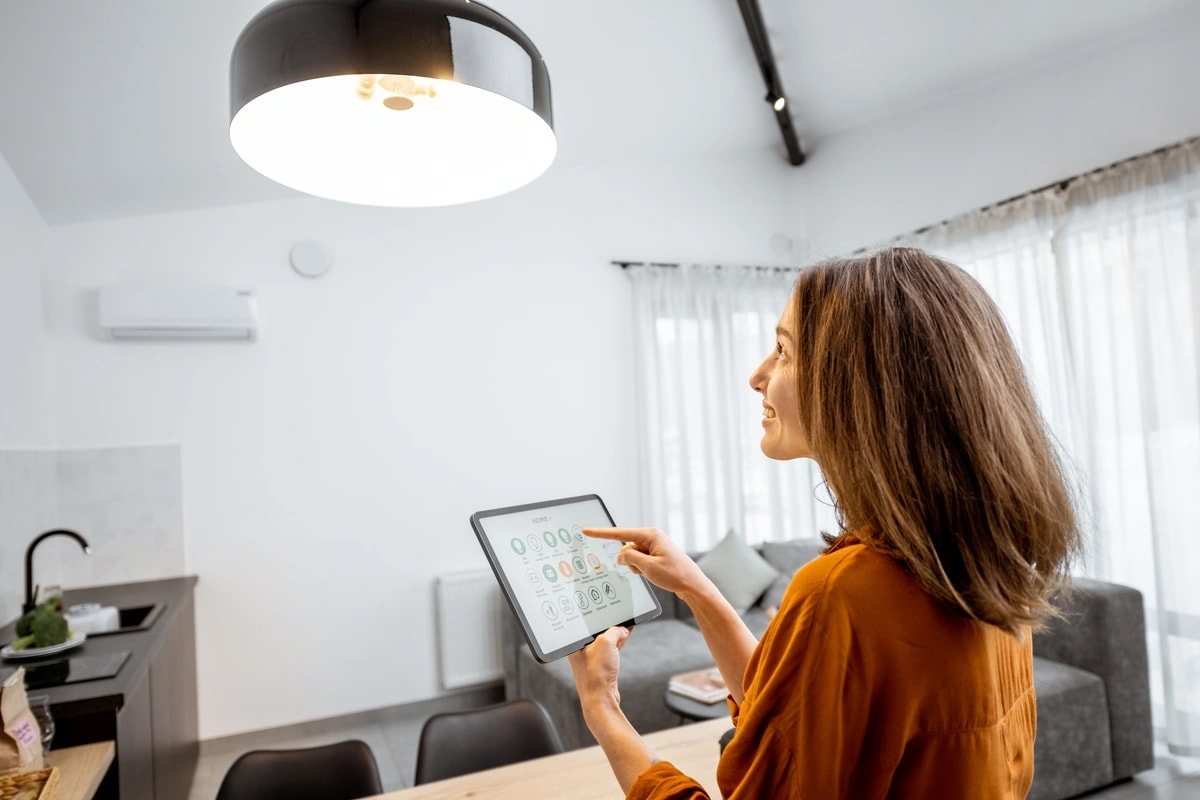
Here is the short version. If you rent, buy smart bulbs. They screw into your existing fittings, cost from about AED 29 each, and come off clean when you move. If you own an apartment and want a whole room to work from one point, fit smart switches in the wall box. If you own a villa, or you are building or renovating one, put in a wired control system like KNX or Lutron so every circuit runs as a scene.
Quick take: most real Dubai homes end up mixing tiers. Bulbs for lamps and feature walls, switches for the main ceiling lights, and a proper control system if it is a large villa. That mix is honest, not a compromise. The rest of this guide shows you exactly where each tier fits.
The three tiers of smart lighting
Think of smart lighting as three product types for three buyers. Bulbs, switches, and whole-home control. Each one solves a different problem, at a different price, with a different install.
The table below is the frame for the whole article. Read it once, find your row, then jump to that tier's section for the detail.
| Tier | Best for | Wiring needed? | Approx AED |
|---|---|---|---|
| Tier 1: smart bulbs | Renters, single rooms, color and scene effects | None, screws into the existing fitting | AED 29 to 799 per bulb or strip |
| Tier 2: smart switches and dimmers | Whole rooms you own, one reliable control point | Yes, fixed wiring, needs an electrician | AED 240 to 350 per switch, plus fitting |
| Tier 3: professional control (KNX, Lutron) | Villas, new builds, homes with 20 or more circuits | Yes, a full wired backbone | From AED 4,500; villa scope often AED 40,000 to 160,000+ |
Prices are approximate and move with stock and promotions, so check current pricing before you buy. Villa control figures are wide because scope varies a lot. A real number needs a site visit.
Tier 1: smart bulbs
A smart bulb screws into a fitting you already have and connects over Wi-Fi, Zigbee, or Bluetooth. It is the easiest way in, and the best choice for renters. The main brands sold in Dubai are Philips Hue, Govee, Yeelight, Wiz, Tapo, Aqara, and IKEA TRADFRI.
Best for renters: bulbs are fully reversible. You unscrew them on moving day and take them with you, and you need no landlord permission because you touch nothing fixed. Our renter smart home guide covers the wider no-drill kit that works the same way.
Bulbs also do things a switch cannot. Full RGB color, 16 million shades, tunable white that shifts from warm to cool, and effects that sync to music or a film. For a lamp or a feature wall, a bulb is the right tool. Philips Hue color bulbs run about AED 139 to 199 each, Govee bulbs sit around AED 59 to 599, Yeelight lands near AED 149 to 466, and IKEA TRADFRI bulbs start as low as AED 29. Check the live listing before you buy, as these move with promotions.
The Dubai catch: per-bulb cost adds up fast. A single kitchen ceiling with six downlights means six smart bulbs, and each one is a device that can drop off Wi-Fi or need a firmware update. For one fixture that is fine. For a whole villa it is the wrong tool, which is what Tier 2 and Tier 3 fix.
The switch problem (the big gotcha)
A smart bulb only stays smart while its wall switch stays on. Flip that switch off, even by habit, and the bulb loses power. No app control, no voice, no scheduled scene, until someone walks over and turns the switch back on. This is the single biggest frustration with smart bulbs.
You set an evening scene, then someone flips the wall switch out of habit. Your phone says the light is on, but the room is dark, because the bulb has no power to receive the command.
There are three honest fixes, in order of effort.
- Retrain the household. Everyone uses the app, a voice command, or a smart button, and leaves the wall switch on. This is free but hard, because habits are habits.
- Add a smart button or dimmer switch. A Philips Hue dimmer switch, about AED 99, sticks over or beside the old switch and sends a wireless signal instead of cutting power. The bulb stays powered and controllable.
- Move up to a smart switch. A Lutron-style setup keeps a real physical switch on the wall, but that switch sends a wireless signal to a dimmer module rather than literally cutting the circuit. The light always has power. This is Tier 2, and it is the proper fix for any main light a family member might switch off.
Common mistake: buying a house full of smart bulbs, then losing control every time someone touches the wall. If a fixture gets switched off by habit, plan for a smart button or a switch from day one.
Tier 2: smart switches and dimmers
A smart switch replaces the rocker inside your wall box and controls the ordinary bulbs already in the fixture. One switch drives a whole room's circuit, which is cheaper and more reliable than a pile of smart bulbs for the same ceiling. Brands here include Lutron, Aqara, and various retrofit dimmers.
Best for: whole-room control in a home you own, and households that want the physical switch to keep working exactly as before. Nobody has to learn "always use the app." The switch on the wall still turns the light on and off, it just does more. Aqara wall switches run about AED 240 to 270. Lutron is quoted as a project, and our own smart lighting and climate control service starts from AED 4,500.
The Dubai catch: this touches your home's fixed, DEWA-connected wiring, so it is a licensed-electrician job, not a screw-in one. Work on fixed wiring should go through a DEWA-enrolled contractor so it is safe, insurable, and inspection-ready[2]. That is the real rule. It is not that doing it yourself is banned, it is that this wiring work needs an enrolled contractor to be signed off correctly.
Two wiring points to check before you buy switches for a Dubai property.
- The neutral wire. Many smart switches need a neutral conductor in the wall box to draw standby power. Most modern Dubai villa and apartment wiring carries a neutral to the switch box, but older properties and budget fit-outs can still run a switch-loop pattern with only a live wire at the switch. There is no UAE-wide guarantee either way, so an electrician has to open the box and check. No-neutral switches exist as a workaround, but they can flicker with some LED bulbs, so match them carefully.
- Box depth. A smart switch packs a radio, a relay, and capacitors, so it is bulkier than a plain rocker. A shallow wall box may not have room. This is a real constraint we hit on site, not a hypothetical.
One more cost point. A room controlled from two or three switch locations, common at the top and bottom of a villa staircase, needs a matching smart or companion switch at every spot. That can multiply the per-room cost by two to four times, so count your switch positions before you budget.
Tier 3: professional lighting control
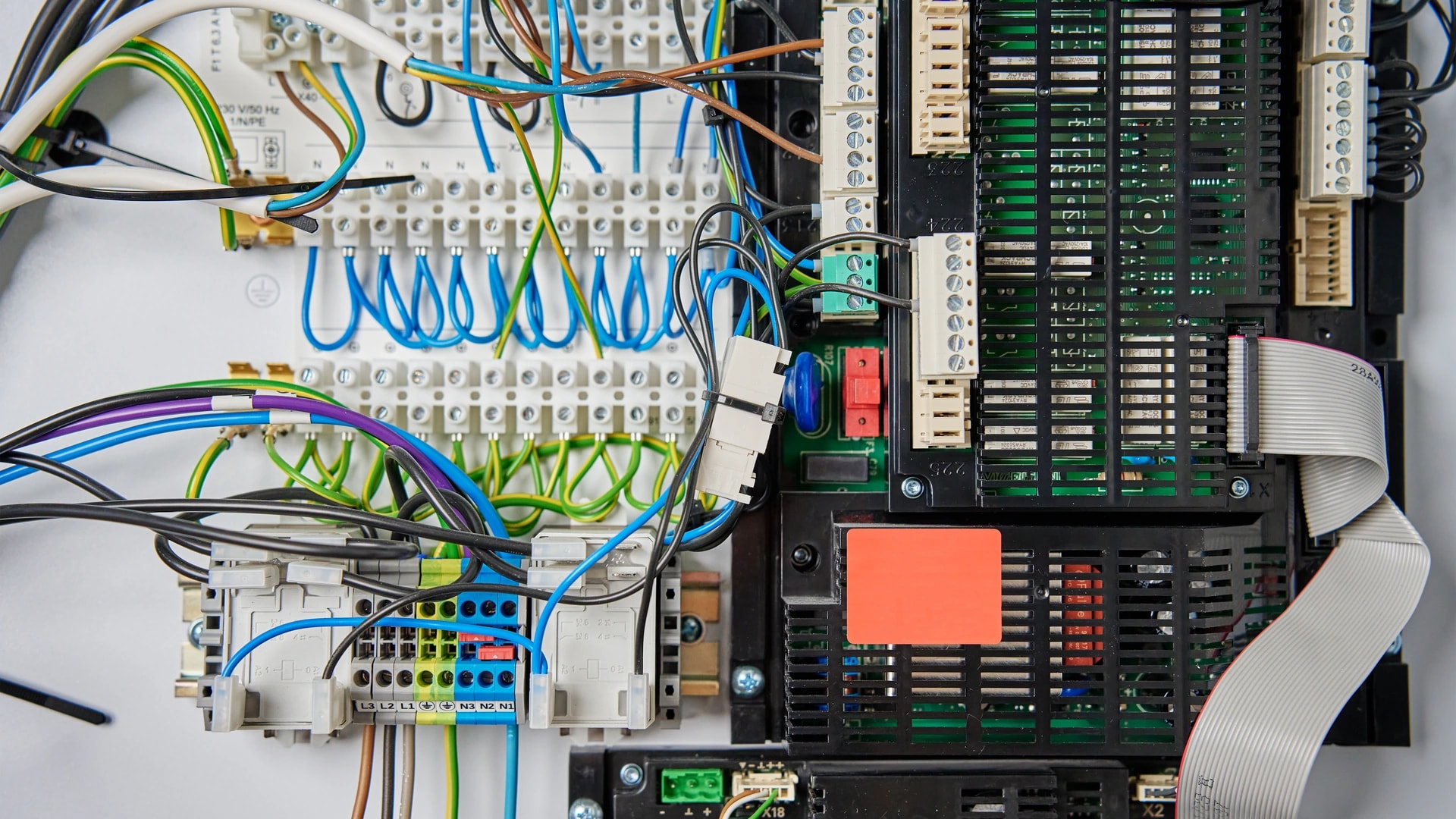
Tier 3 is a wired backbone that runs every circuit in the home as scenes, zones, and dimming curves, not switch by switch. The main options are KNX, Lutron RadioRA or HomeWorks, Dynalite, and lighting layered inside a Control4, Crestron, or Savant system. This is the villa and new-build tier.
Best for villas: once a home has 20 or more lighting circuits, buying individual bulbs or switches per fixture stops making sense on both cost and reliability. A backbone handles the lot from one design. This threshold is our own installer judgment, not a fixed industry number, but it holds up well on site.
A quick plain-English note on the tech. KNX is a wired system that runs without the internet and lasts 30 years or more, as long as the villa's own wiring[5]. Where you want very fine dimming and tunable white across many downlights, a DALI lighting layer sits under KNX. KNX coordinates the whole home while DALI handles per-fixture detail, and a single gateway can manage well over 100 individually addressable lights across a large villa. Lutron is the lighting-first choice, known for the best dimming quality, and it has the widest dealer bench in Dubai of any pro brand we track[7].
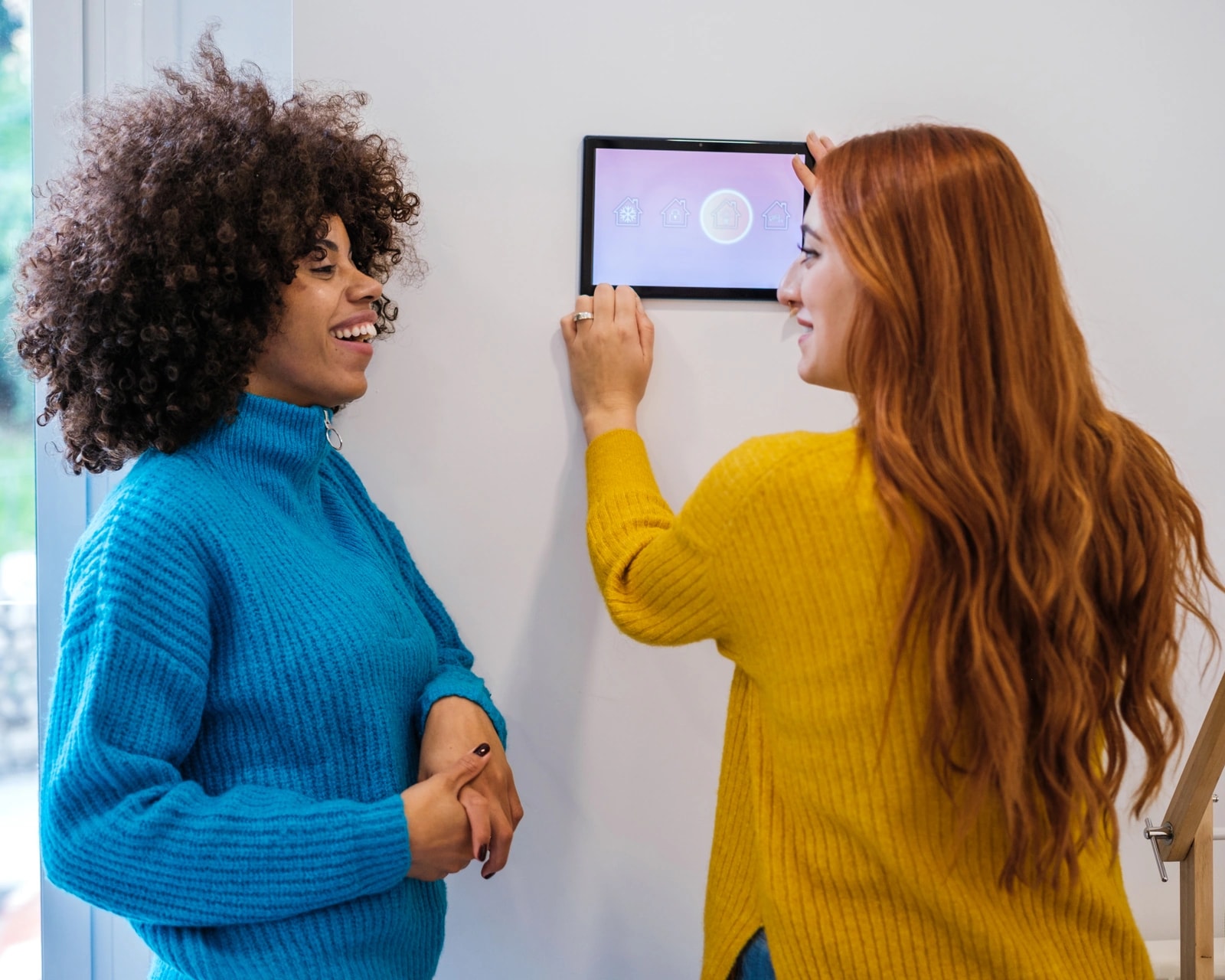
Best for villas: the payoff is named scenes. One touch for "Morning" as lights rise and curtains open, "Movie" as lights dim and blinds close, or "Away" holiday lighting. This is where lighting becomes part of how the house runs. Our villa owners upgrade guide goes deeper.
Pre-wiring the KNX or Lutron backbone during construction costs 60 to 70 percent less than retrofitting a finished home. It is the single biggest cost lever in the whole professional tier.
That pre-wire number[10] is the reason we push hard for the lighting conversation to happen before the walls close. If you want one branded app across lighting, AV, and climate, a Control4, Crestron, or Savant front-end can sit on top of a KNX or Lutron backbone. We compare those three in our Control4 vs Crestron vs Savant guide, so we will not repeat it here.
The brands, compared
No single brand wins for every home. The right pick follows your tier and your ecosystem. Here is the shortlist we recommend most in Dubai, with approximate retail ranges where a live figure exists.
| Brand | Tier | Protocol | Hub? | Approx AED | Best for |
|---|---|---|---|---|---|
| Philips Hue | Bulbs and strips | Zigbee plus Bluetooth | Optional Bridge, needed for outdoor, sensors, or 50 bulbs | Bulbs 139 to 199; strips 179 to 799 | Deepest ecosystem, renters and apartments wanting scenes |
| Govee | Bulbs and strips | Wi-Fi plus Bluetooth | No | Bulbs and lamps 59 to 599 | Budget colorful strips, gaming and party lighting |
| Yeelight | Bulbs | Wi-Fi, newer models add Matter | No | 149 to 466 | Budget to mid color bulbs, Xiaomi households |
| IKEA TRADFRI | Bulbs and kits | Zigbee, newer range adds Matter | Only older Zigbee-only models | Bulbs from 29 | The cheapest whole-apartment starting point |
| Aqara | Switches and sensors | Zigbee, Thread on newer models | Yes, Aqara hub (about AED 350) | Wall switch 240 to 270 | One Zigbee ecosystem across switches, sensors, and bulbs |
| Lutron | Switches and pro control | Clear Connect RF or wired | Yes, Lutron hub or processor | Project quoted; DSH from 4,500 | Best dimming quality, physical switches that keep working |
| KNX | Whole-home backbone | Wired KNX bus, DALI for dimming | No cloud needed, wired backbone | Villa scope 40,000 to 160,000+ | Villas and new builds wanting an open, no-subscription system |
A note on a few brands. Wiz and Tapo are solid budget Wi-Fi bulbs sold in the UAE, so check the live listing for a current price. Dynalite is an enterprise-grade option with real Dubai pedigree, as the Burj Khalifa uses it, but it is priced by project. Do not read a landmark job as a home price.
Protocols and hubs, in plain English
The protocol is how a light talks to your phone and other devices, and whether you need a hub follows from it. Our smart home protocols guide covers this in full, so here is the lighting version.
- Zigbee. A wireless mesh where each mains-powered device passes the signal along. Philips Hue uses it through the Hue Bridge, which supports up to 50 bulbs and is required for outdoor lights, motion sensors, and mixing with older Hue bulbs. Bluetooth-only Hue caps at about 10 lights, local range only, with no control from outside the home[6].
- Wi-Fi. What Govee, Wiz, Tapo, and many Yeelight bulbs use. No hub, they connect straight to your router. Fine for a few bulbs, but a large villa's worth can crowd a home network, which is why big homes lean on switches or a wired backbone instead.
- Thread and Matter. Matter is a shared standard from 2022, so one certified bulb works with Apple, Google, and Amazon together from one QR code[4]. Some Matter bulbs run over Wi-Fi, others over Thread, a low-power mesh. The honest catch is that Matter still needs a controller in the home, like an Apple TV, HomePod, or a recent Echo or Nest Hub, and not every bulb in a brand's range is certified. Check the exact model.
- Bluetooth. The simplest, phone-to-bulb, no hub. Short range and no away-from-home control, so it suits a single lamp, not a home.
Honest note: a hub is not a tax, it is a trade. Hub systems like Hue over Zigbee are more stable at scale and work when the internet drops. Wi-Fi bulbs are simpler to start but get shaky in bulk. Match the choice to how many lights you are running.
What matters for lighting in Dubai
Dubai adds a few factors a global buying guide will not mention. Heat is the big one, and it decides how long your fixtures last.
Heat and driver life. Every LED light has a small driver, and heat is what kills it. A driver running at 60C internal temperature can last around 50,000 hours, but the same driver at 80C drops to roughly 12,500 hours, a fourfold cut from a 20-degree rise[9]. In Dubai's climate this matters most for enclosed indoor fixtures and anything outdoors. Pick fixtures rated with some wattage headroom, and never put an open-fixture bulb inside a sealed globe.
Dimming quality and flicker. Cheap bulbs and drivers skimp on the capacitor that smooths current, which shows up as visible flicker, worst when dimmed. This is a real quality-tier issue, not brand snobbery. If dimming quality matters, that is where Lutron and a DALI layer under KNX earn their price.
Sockets and voltage. Dubai runs on 220 to 240 volts, and homes mix E27 screw, B22 bayonet, and small G9 fittings. Check the base type of each fitting before you order bulbs, because a color bulb only comes in certain bases.
Scale. A large villa with 40-plus circuits is the wrong home for a bulb-by-bulb approach. Switches and a wired backbone win on cost and reliability at that size.
TDRA type approval. Radio devices sold in the UAE, including Wi-Fi and Zigbee bulbs, switches, and hubs, need TDRA type approval[3]. Anything on the shelf at Amazon.ae, Noon, Sharaf DG, or IKEA already meets it. The only real exposure is importing a device yourself from an overseas seller.
Do smart lights save electricity?
A little, but far less than the marketing suggests, and here is the honest reason. Lighting is a small share of a Dubai electricity bill. Cooling is the giant line item in summer, not lights. So smart lighting on its own will not cut your DEWA bill by much.
The savings that do come from lighting are not from the bulb being smart. They come from three plain habits that smart controls make automatic.
- LED first. If you are still on halogen or older bulbs, switching to LED is the real cut. Smart or not, LED uses a fraction of the power.
- Motion and occupancy. Lights that turn themselves off in empty rooms stop wasting power. This is where a sensor beats a person who forgets.
- Scheduling and dimming. Lights that dim in the evening and switch off on a schedule use less than lights left full and forgotten.
The Dubai catch: the money is in cooling. Smart AC and lighting control together cut cooling costs 20 to 30 percent, and a villa paying AED 4,000 a month to DEWA in summer can save AED 800 to 1,200 a month[10]. DEWA's own guidance backs the mechanism, as each degree above the 24C setpoint saves up to 5 percent on AC use[1]. Lighting rides along with that, it is not the star. For the full breakdown, see our guide on cutting your DEWA bill with a smart home, and pair lighting with energy management and solar for the real savings.
Circadian and tunable white lighting
Tunable white lighting shifts color temperature through the day, warm in the evening and cooler at midday, to match your body's natural rhythm. Studies link it to better sleep and lower reported stress[8]. It is a genuine comfort benefit, if a modest one.
Be clear on what it is and is not. Tunable white is about how your home feels at different times, not a way to cut your bill. Most good smart bulbs and any Tier 3 system can do it. If evenings that wind the house down matter to you, it is worth the small extra over a fixed-white bulb. If you only care about savings, skip it and put the money into cooling control.
Outdoor, landscape, and pool lighting
Outdoor lighting in Dubai lives a hard life, so the rules are stricter than indoors. Heat, direct sun, dust, and around a pool, water and salt air all attack fixtures. Two things decide how long they last: the IP rating and the metal.
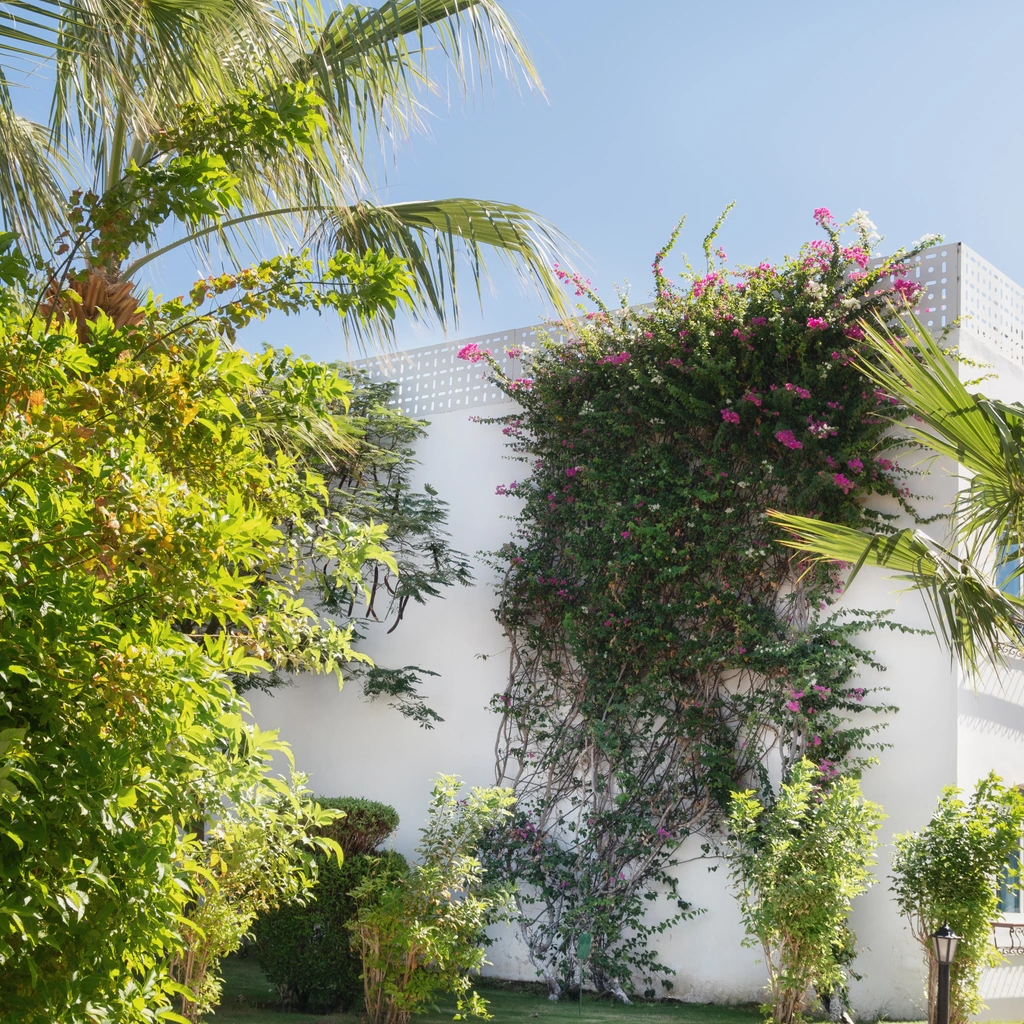
Match the IP rating to the spot. IP is a rating for how well a fixture keeps out dust and water.
- Garden and path fixtures: IP65 minimum, for dust and rain.
- Near a pool or water feature: IP67 or IP68.
- Underwater pool lights: IP68 only, fully submersible and pressure-rated.
Wet-area fixtures should run on a low-voltage 12V or 24V transformer for safety, sized with about 20 percent headroom and mounted off the wall to shed heat. On metal, powder-coated aluminium can corrode and peel within a few years in 50C heat and coastal salt. Solid brass or copper with a marine finish costs more but lasts a 10 to 15 year outdoor life. For villa gardens and pools, we handle this through our villa automation work, tied into the same control system as the indoor lights.
Renter vs owner vs villa: what to choose
The fastest way to decide is by what you can change in your home. A renter cannot touch the wiring. A villa owner building new can plan everything. Find your row.
| Your home | Best tier | Why | Start from |
|---|---|---|---|
| Renting an apartment | Smart bulbs | Fully reversible, no wiring, no landlord permission, take it when you move | AED 29 per bulb |
| Own an apartment | Smart switches plus a few bulbs | Switches give whole-room control at the wall; bulbs for lamps and color | AED 240 per switch, plus fitting |
| Own a villa (existing) | Switches or a Lutron retrofit | Whole-room control without opening every wall; scenes on a keypad | From AED 4,500 |
| Villa (new build or big renovation) | KNX or Lutron pre-wire | Every circuit as a scene, best dimming, 60 to 70 percent cheaper pre-wired | Villa scope AED 40,000 to 160,000+ |
Best for renters: stay in Tier 1 and lean on smart buttons so the wall switch problem never bites. Best for villas: if the walls are open, pre-wire a backbone now, because retrofitting later costs far more. New to all of this? Our smart home systems explained guide starts from scratch, and the buyer's guide for Dubai covers the order to buy things in.
Want a real plan for your home? Book a free site visit and quote →
Common smart lighting mistakes
Most lighting regret comes from a handful of avoidable errors. We see the same ones on site again and again.
- Bulbs, then losing control at the wall. The switch problem catches everyone. Plan for smart buttons or switches on any light a family member might flip off.
- Mixing too many ecosystems. A Hue app, a Govee app, a Tapo app, and a Yeelight app is four apps and four logins. Pick one main ecosystem, or use Matter to pull them together, so the house runs from one place.
- Cheap bulbs that flicker. The lowest-price bulb often dims badly. If you dim, buy a bulb and dimmer known to pair cleanly.
- Buying bulbs for a 40-circuit villa. At villa scale, per-bulb cost and the switch problem both compound. Use switches or a wired backbone instead.
- Ignoring Matter. If you are buying today and want future flexibility, a Matter-certified model keeps your options open across Apple, Google, and Amazon.
- Assuming a neutral wire is there. Do not order smart switches before an electrician confirms the wall box has a neutral and enough depth.
For a wider list across the whole home, we keep a running guide to smart shading, which pairs naturally with lighting for a "Movie" or "Away" scene.
How Dubai Smart Home does lighting
We design lighting as scenes and zones, not switch by switch, and we tie it to your blinds and AC so the whole room responds to one command. Our engineers are in-house and based in Dubai, we do not subcontract, and every system works in English and Arabic.
Since 2016 we have delivered lighting across Dubai apartments and villas, and we are rated 4.9/5 by Dubai homeowners. For a room or an apartment, we fit switches and bulbs that suit how you actually live. For a villa, we design a KNX or Lutron backbone, with a DALI layer where dimming quality matters, and pre-wire it during construction where we can to save you 60 to 70 percent. When you are ready to fit it, our smart lighting and climate control and dedicated lighting control services are the install step. This whole guide, and our wider work, sits under Dubai Smart Home.
Want the right lighting tier for your home? Book a free site visit and quote → or message our team on WhatsApp →. Enquiries are answered within 2 hours.