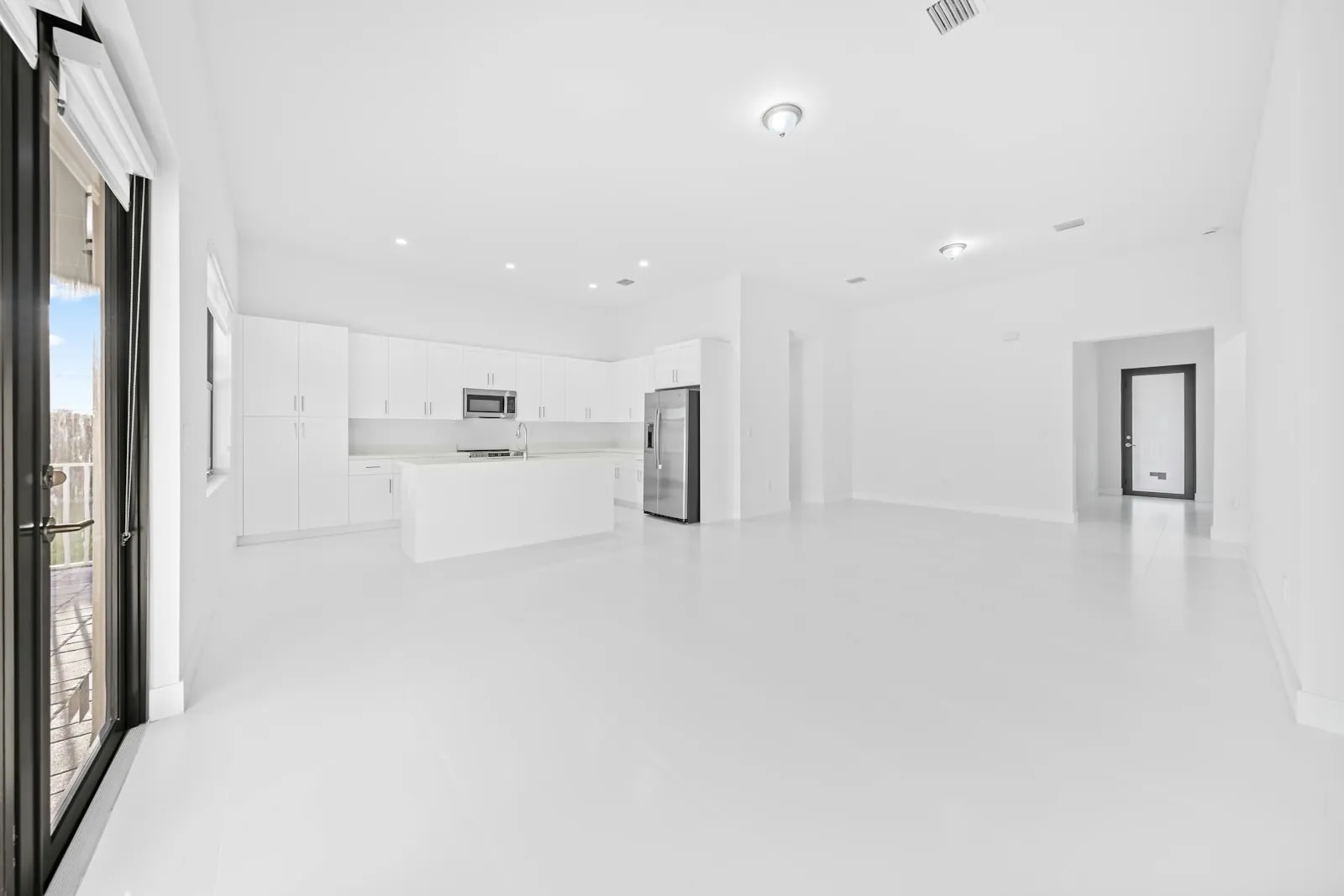
Tabreed chilled water, walls of glass facing the Burj and a lobby run by the building. We work inside those limits: fan coil thermostats, motorised curtains, smart locks and Wi-Fi that reaches the far bedroom, from one upgrade to a full penthouse.
Dubai Smart Home designs home automation for Downtown Dubai apartments, penthouses and Old Town low-rises, and coordinates the work to handover. Typical jobs: fan coil thermostats for Tabreed cooling, motorised curtains for full-height glass, smart locks and mesh Wi-Fi through concrete cores, leaving the facade and risers alone. Single upgrades start from AED 1,500; most one or two bedroom flats take one to two days.
What changes the price: how many rooms and windows you automate, whether your flat already has curtain tracks, and whether the building lets us work in the ceiling void.
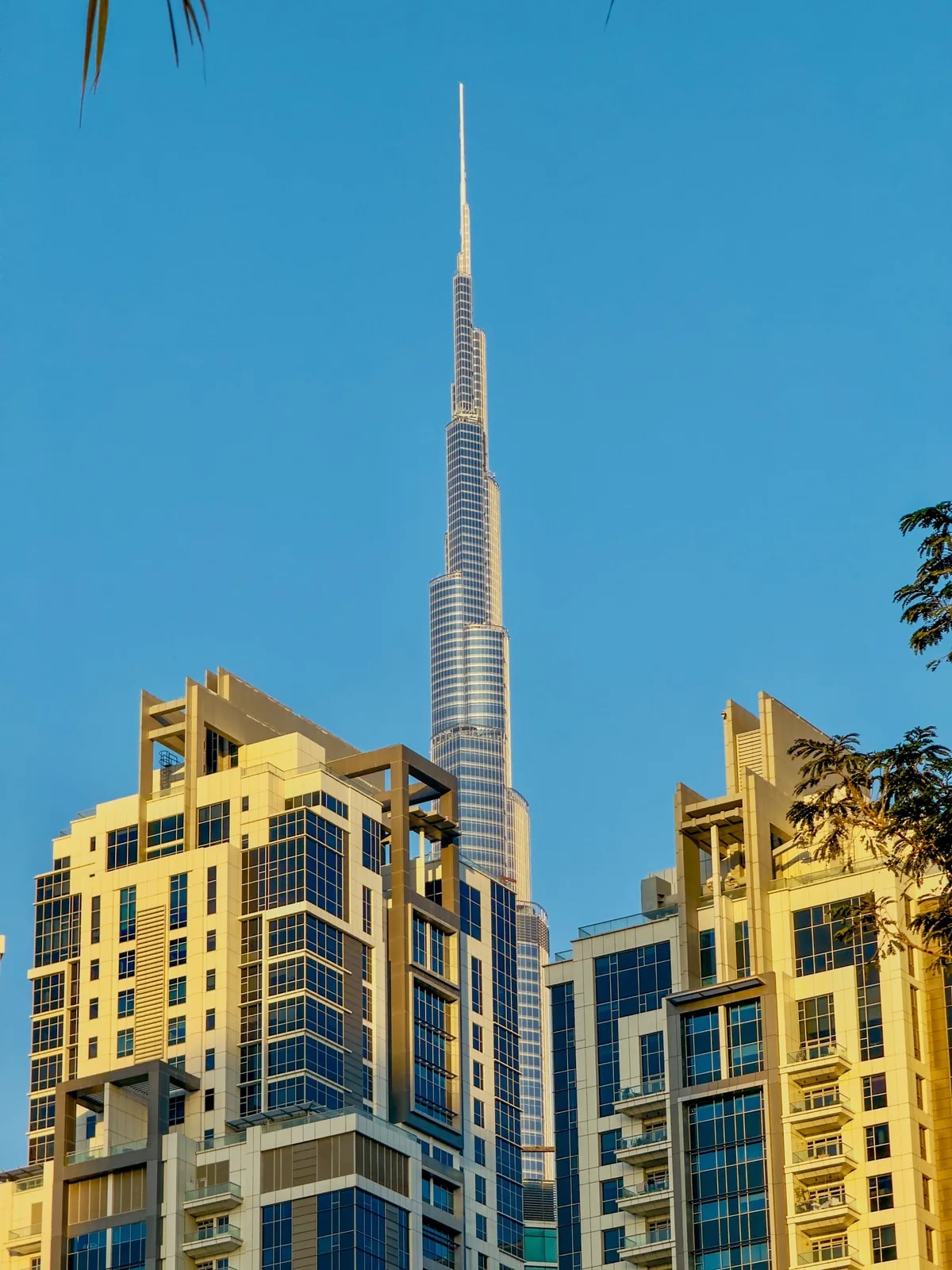
Downtown Dubai is Emaar’s two square kilometres around Burj Khalifa, The Dubai Mall and the Dubai Fountain, with Business Bay to the south and Financial Centre Road to the north-east. Homes run from Old Town’s low-rise blocks, finished between 2004 and 2006, to Boulevard towers such as 29 Boulevard, South Ridge and Burj Vista, and newer high-rises like Forte and Il Primo. Almost every home here is an apartment or a penthouse, and most look out through full-height glass.
That shapes smart home installation in Downtown Dubai. Your cooling comes from Tabreed’s district network through fan coils, and the facade, risers and structural walls belong to the building under Dubai’s Jointly Owned Property Law. So the work happens inside your unit: thermostats, curtains, locks, lighting and Wi-Fi, fitted without cutting into concrete. Many flats here are rented or let to holiday guests, so we configure separate app access for owners, tenants, guests and cleaners from the first day.

Downtown’s towers draw chilled water from Tabreed’s network, and your AC is a fan coil hidden in the ceiling. Nest and Ecobee cannot drive its valve. A fan coil thermostat with schedules and an away mode trims the consumption part of the bill, the only part you can change.

Towers here are wrapped in full-height glass facing the Burj, the fountain or the afternoon sun. The glass and its frame belong to the building, so curtain tracks fix to the ceiling or the window reveal. Motors on a sun schedule keep rooms cooler before you get home.

Under Dubai’s Jointly Owned Property Law, the facade, structural walls, risers and shared cooling equipment are Common Parts. We plan every job so it stays inside your unit, and we send building management our documents before the first visit.

A far bedroom behind the lift core often has no signal, and the flats around you fill the same channels. We measure the signal in every room, then specify a mesh point or a ceiling access point exactly where the gap is.

The lobby panel, the lifts and the concierge desk belong to the building. The design leaves them alone and stays on your side of the door: a smart lock, a doorbell camera aimed at your own threshold, and one-time codes for couriers.

Old Town’s low-rise blocks in Yansoon, Reehan, Zaafaran, Kamoon, Miska and Zanzabeel date from 2004 to 2006. Their wiring, intercoms and cable routes differ from the Boulevard towers, so we survey each building on its own rather than copy a tower plan.
Downtown towers ask for building management approval before contractors come up. We send the paperwork and book the service lift as part of the job.
Every service we offer, and what each one looks like in a Downtown Dubai home.


The same hardware we specify for homes here, with UAE prices. Buy it yourself, or ask us to arrange professional fitting and configure it for you.