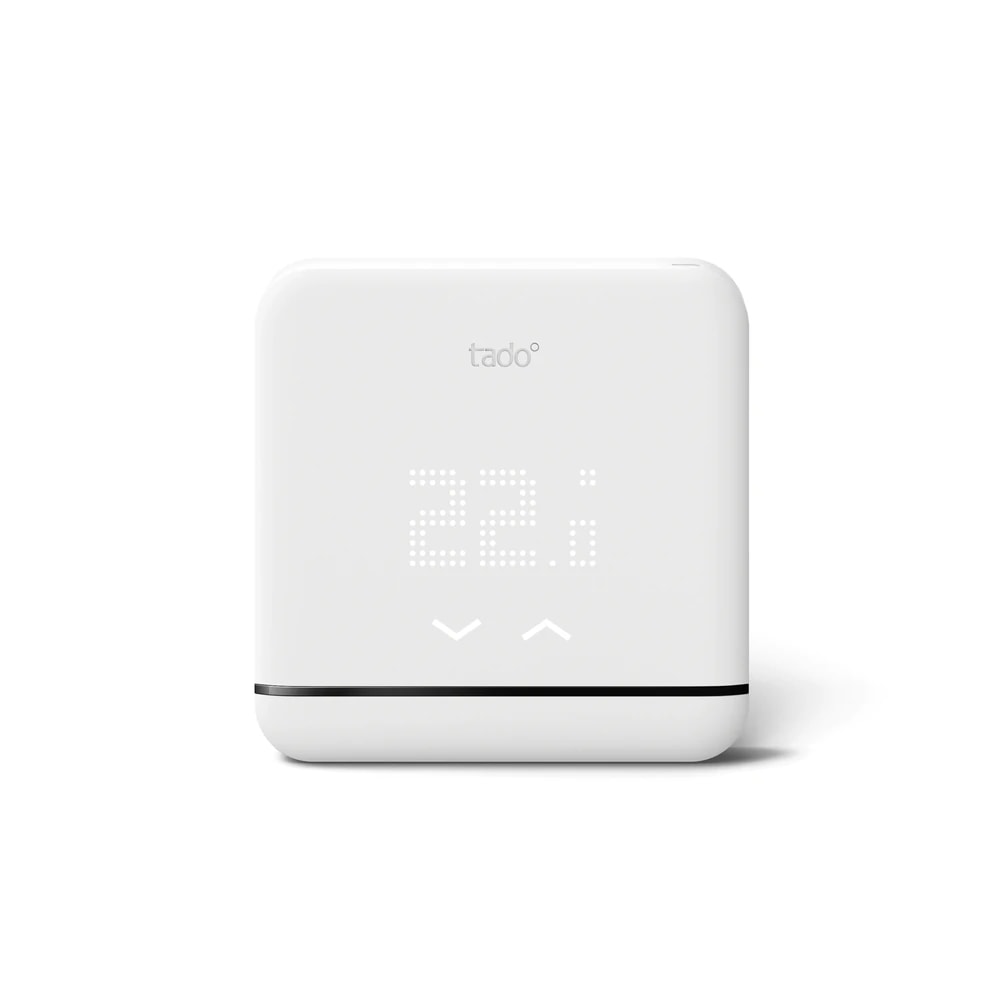
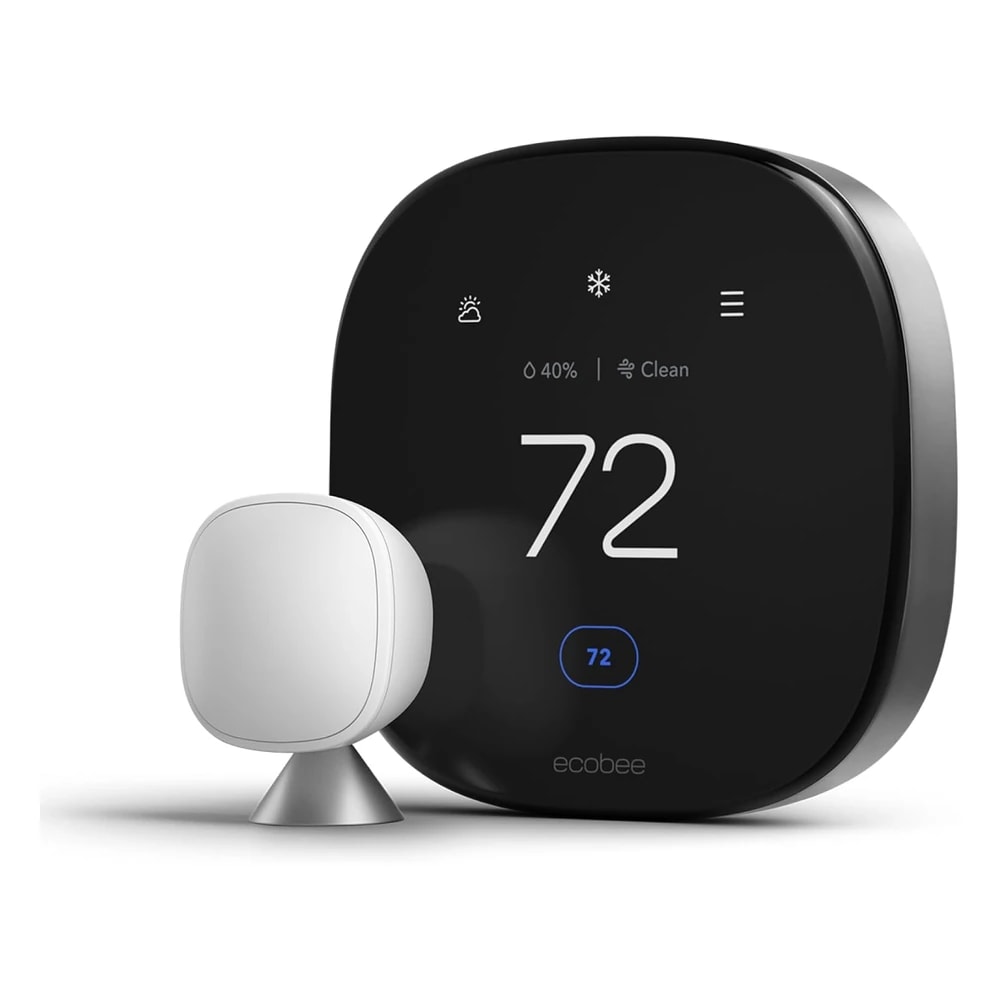
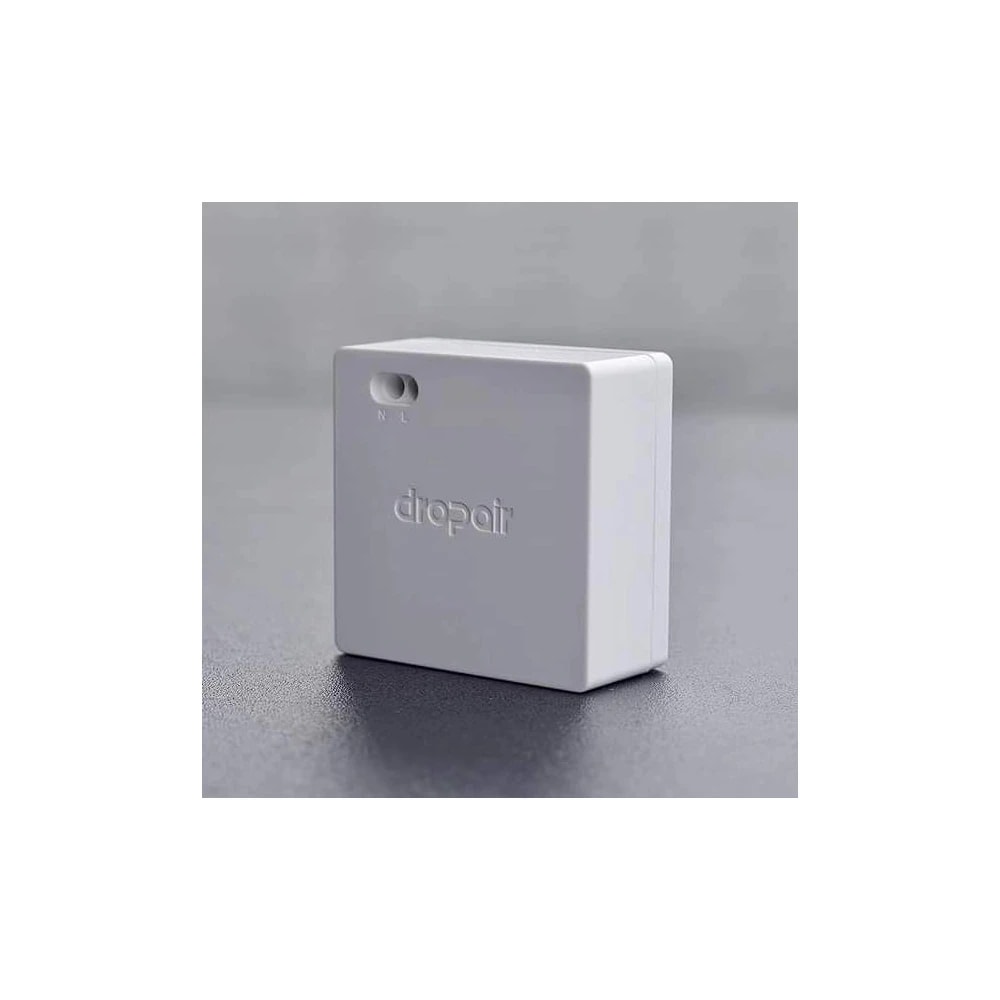
Compare the difference
Where a cheap retrofit falls apart.
Sticking a smart thermostat on the wall is the easy part. Dubai homes have three quirks that decide whether it actually works.
You live in an apartment on district cooling
Off-the-shelf thermostats assume a split AC. Yours is a chilled-water fan coil on Empower or Tabreed, so the device either will not fit or controls nothing but the fan.
We identify the terminal type on survey, and the thermostat fitted is one built for 2-speed or 3-speed fan coils with proper valve control, wired through the 220V to 24V conversion your unit needs.
The AC runs all day while nobody is home
A basic timer keeps cooling an empty villa because it has no idea whether anyone is in. The bill barely moves and you conclude smart home is a gimmick.
Occupancy sensing plus per-room setpoints means empty rooms drift up and occupied rooms hold. This is where the 20 to 30 percent actually comes from, not from the app itself.
One room is freezing, another never cools
A single hallway thermostat measures one spot and rules the whole floor. The west bedroom stays hot all afternoon and the majlis is arctic.
Every room gets its own setpoint and its own sensor, so the sun-facing bedroom and the shaded majlis stop fighting each other through the same thermostat.
You rent, and cannot touch the wiring
Most guides assume you own the place. Anything wired is off the table, so you are told to give up or risk your deposit.
Wireless thermostat heads, plug-level control and battery sensors, all reversible. Whatever comes off is bagged and labelled, so move-out day is a 30-minute job.
August arrives
A system tuned in March cannot cope when the load doubles. It either runs flat out or you end up switching everything back to manual.
Setpoints, schedules and shading are retuned for peak summer, and we check the system again after the first hot month rather than leaving you to it.
Your family disagrees about temperature
One shared schedule. Somebody is always overriding it, and after a fortnight everyone is back to the remote.
Per-room profiles, so the kids' rooms, the master and the guest suite each hold their own setpoint on their own schedule without anyone negotiating.
The internet goes down
Cloud-dependent thermostats lose their schedule and often revert to a default, which in July is exactly when you notice.
Schedules and setpoints are stored on the device, so the house keeps running to plan whether the router is up or not.
You want to know if it actually worked
You are left comparing DEWA bills by eye across months with different weather and different occupancy. Nobody can tell you what changed.
A dashboard showing real kWh month against month, so you can see what the change delivered instead of taking our word for it.