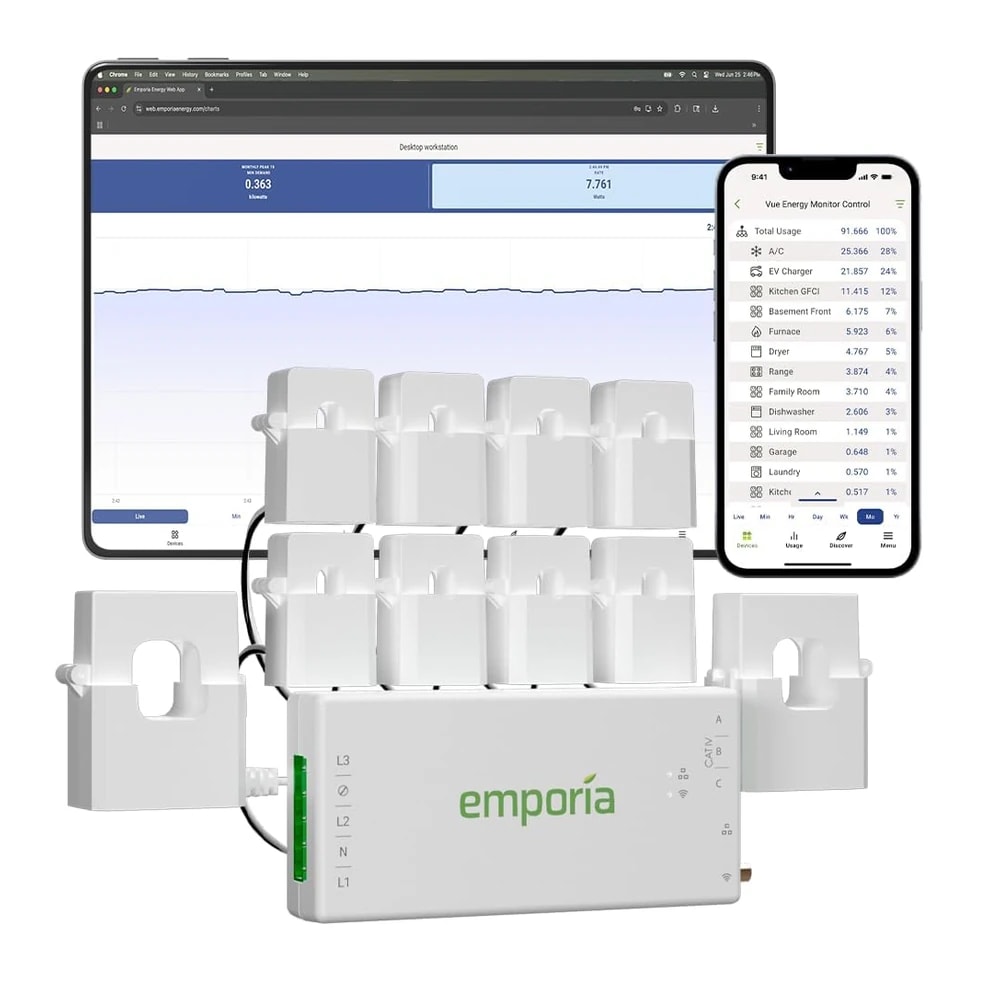
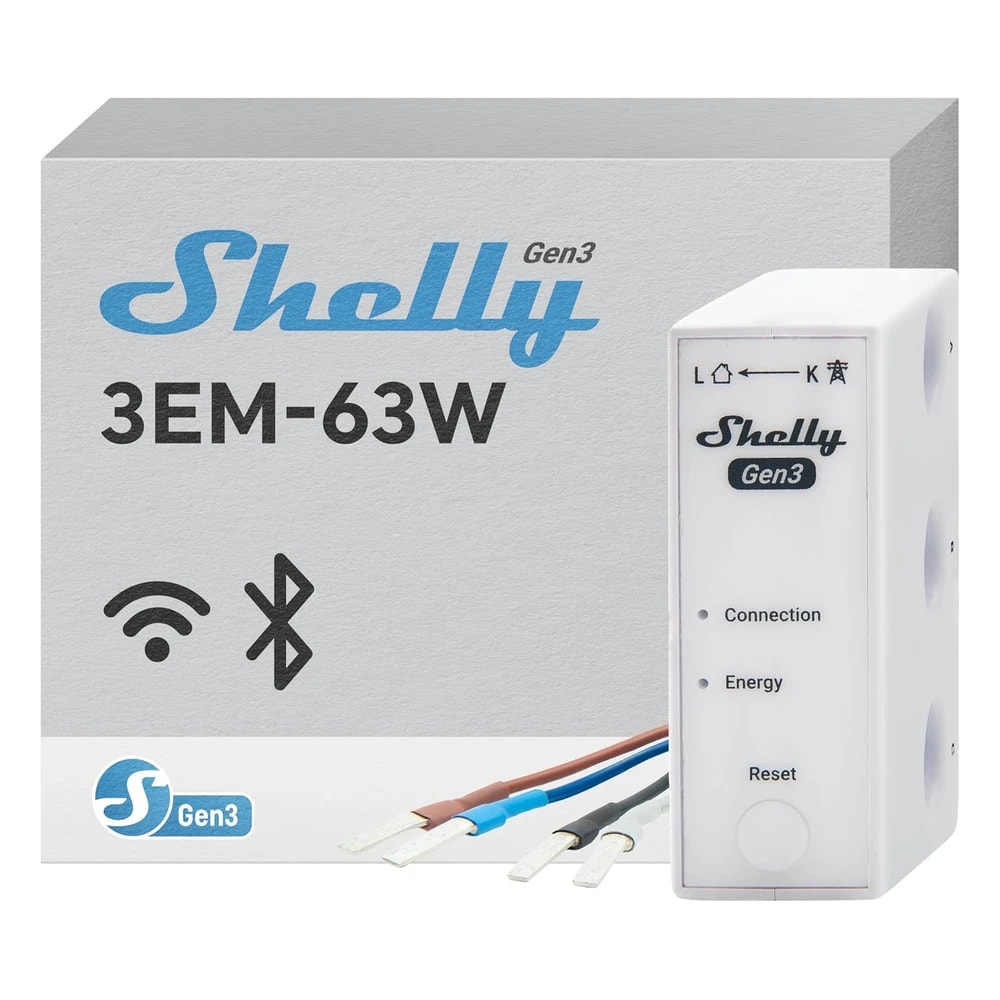
To find out where a DEWA bill goes, fit a clamp-based monitor at the distribution board such as the Shelly 3EM. For EV charging in a villa, a three-phase charger and a DEWA-certified electrician are the two things you need.
What we specify most often, and the case each one is right for.
 Top pick
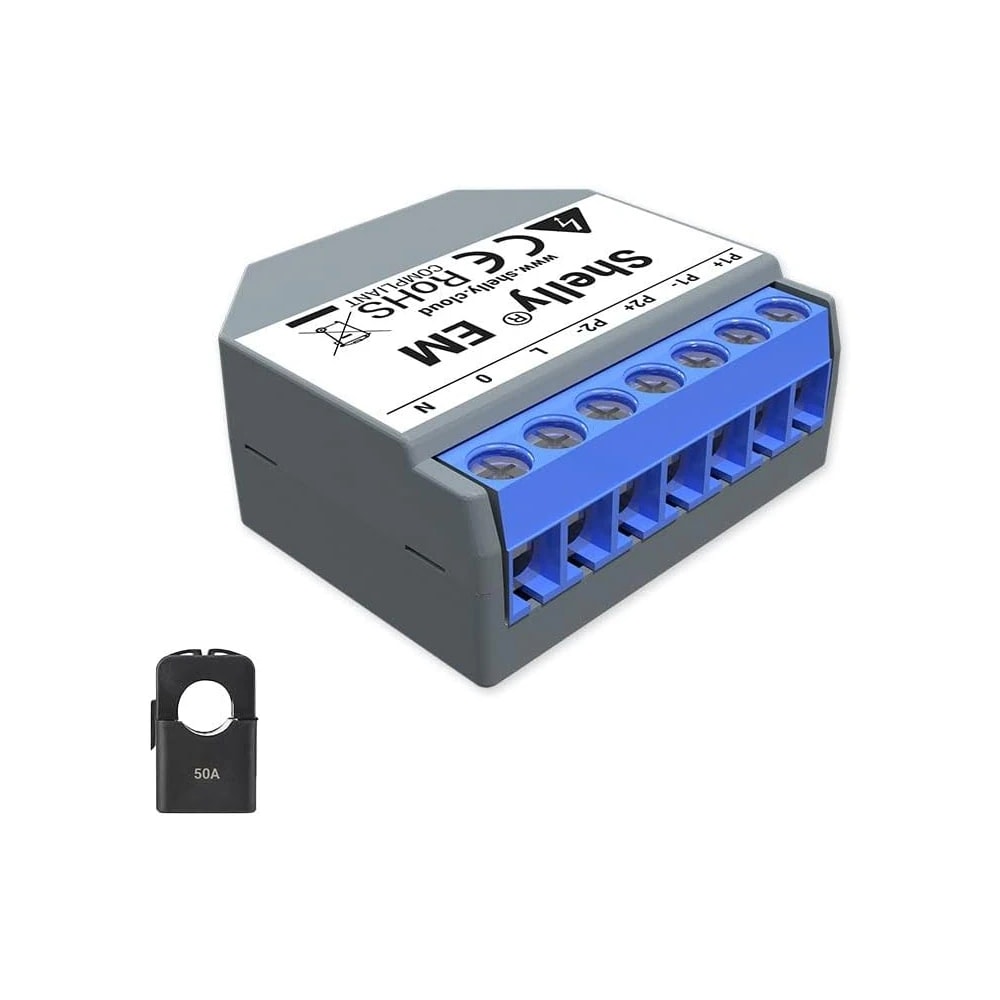 Best budget whole-home monitorShelly EM + 1 Clamp Energy Monitor (50A)The cheapest way to put a number on one circuit you already suspect.AED 153.56
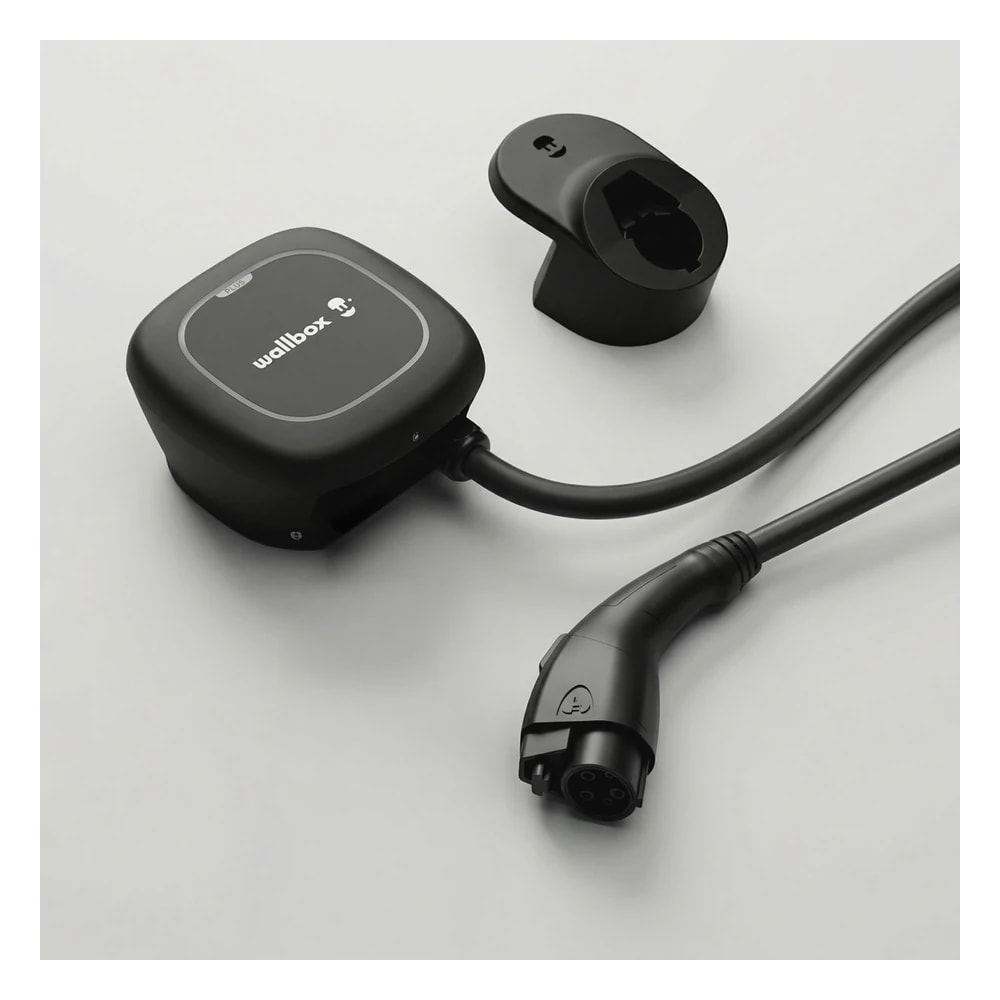 Best EV charger for villasWallbox 11kW Three-Phase EV Charger (Type 2, GCC Spec)The right charger for a three-phase Dubai villa, at a price a single-phase unit used to cost.AED 1,349
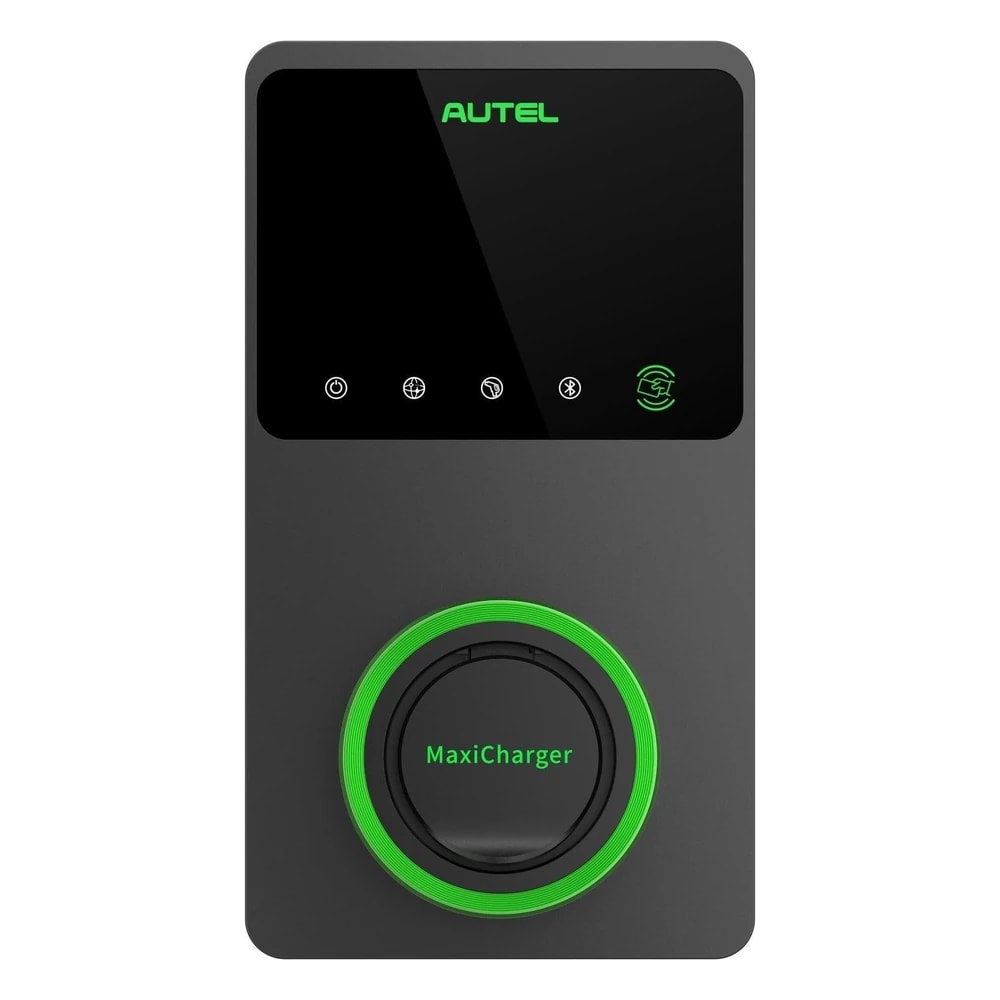 Fastest three-phase chargingAutel MaxiCharger 22kW AC Wallbox EV Charger22kW with a socket rather than a fixed cable, for two-car households and faster turnaround.AED 2,451.75
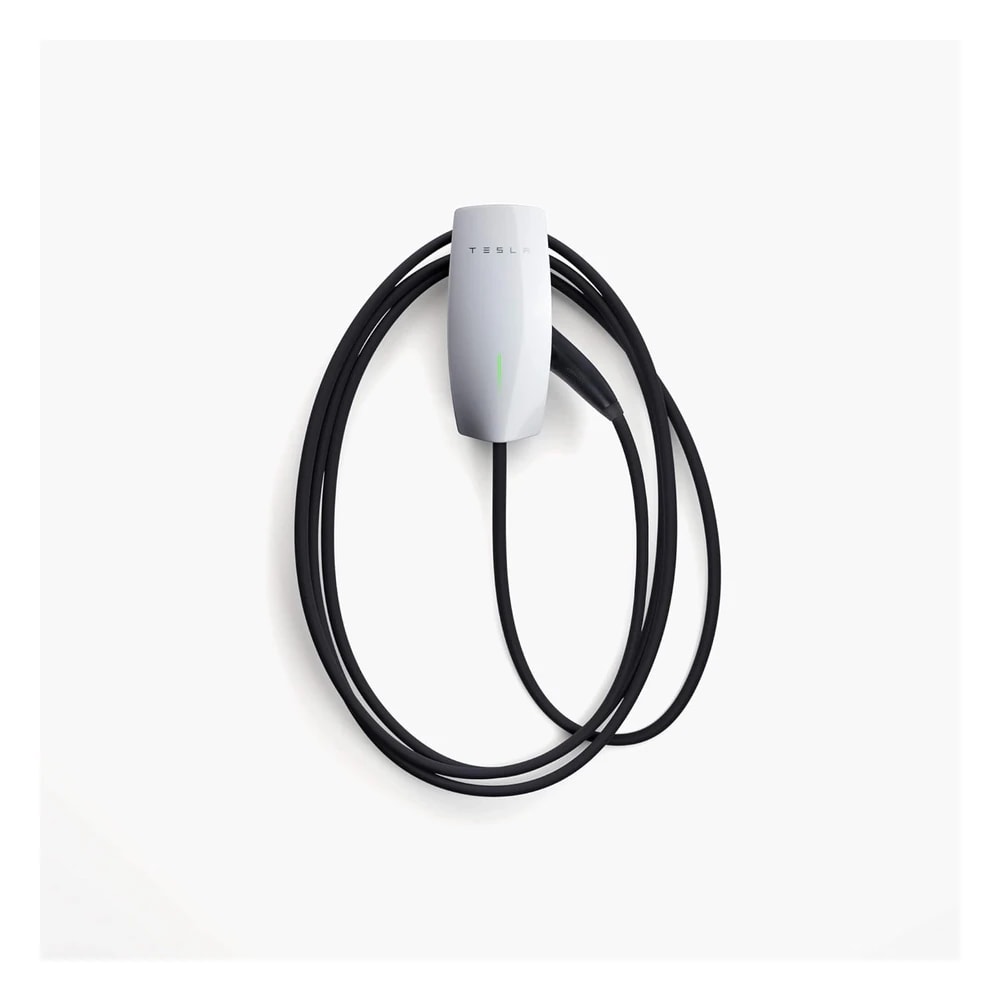 Works with any Type 2 carTesla Wall Connector (Universal, Type 2)Up to 22kW on either single or three phase, with 7.3 metres of cable to reach an awkward bay.AED 2,300
Two different jobs sit in this category, joined by the fact that both happen at the distribution board rather than at a socket. The first is measurement. A DEWA bill tells you what the whole property used and nothing about which part of it did the using, and in a Dubai villa the answer is usually cooling, but usually is not the same as knowing. A clamp-based monitor sits in the DB and reports per circuit, which turns an argument about who left what running into a chart. It is also the honest way to check whether a smart home change actually saved anything. The second job is EV charging. A three-pin socket will charge a car eventually, but slowly and with a cable running somewhere it should not. A proper wall charger sized to the supply does it overnight. Both of these involve work inside the distribution board, which in Dubai means a certified electrician rather than a DIY afternoon.
| Rank | Product | Best for | Price | Works over | Works with |
|---|---|---|---|---|---|
| 1 | Shelly 3EM-63W Gen3 Three-Phase Energy Meter | Best per-circuit monitor | AED 243.4 | Wi-Fi, Wired | Manufacturer app, Amazon Alexa, Google Home |
| 2 | Shelly EM + 1 Clamp Energy Monitor (50A) | Best budget whole-home monitor | AED 153.56 | Wi-Fi, Wired | Manufacturer app, Amazon Alexa, Google Home |
| 3 | Wallbox 11kW Three-Phase EV Charger (Type 2, GCC Spec) | Best EV charger for villas | AED 1,349 | Wi-Fi, Wired | Manufacturer app |
| 4 | Autel MaxiCharger 22kW AC Wallbox EV Charger | Fastest three-phase charging | AED 2,451.75 | Wi-Fi, Wired | Manufacturer app |
| 5 | Tesla Wall Connector (Universal, Type 2) | Works with any Type 2 car | AED 2,300 | Wi-Fi, Wired | Manufacturer app |
For monitoring, decide how much detail you want. A single-clamp monitor reads the whole property and tells you total draw over time, which is enough to see the shape of your usage and catch something left running. A multi-circuit monitor puts a clamp on individual breakers and tells you which circuits the load belongs to, so cooling, water heating, the pool pump and the kitchen become separate lines rather than one number. The second is more useful and needs more room in the board and more installation time. Either way the clamps go inside the distribution board, so this is an electrician's job, not a plug-in device.
For EV charging, start with the supply. Most Dubai villas are three phase at 400V, which supports the faster chargers and is why an 11kW or 22kW unit is usually the right specification here rather than the single-phase 7kW that suits a UK terrace. Check what your board can actually give you before choosing, because the charger cannot draw what the supply does not have.
Then check the connector and the car. Type 2 is the standard here and nearly every EV sold in the UAE takes it, including Teslas, so a Type 2 charger is not a brand decision. What does vary is whether you want load balancing, which throttles the charger when the rest of the house is drawing heavily and avoids tripping the main breaker. On a villa already running heavy air conditioning that feature earns its cost.
Finally, plan the installation properly. EV charger work in Dubai must be done by a DEWA-certified electrician, and it usually means a dedicated circuit from the board to the parking area. That cable run, not the charger, is often the larger part of the cost, so it is worth scoping before you fix on a model.

Every product here is supplied as part of a working system: checked against your property first, fitted by our own team, and set up with the automations that make it worth having. Ask us for a site visit before you decide on anything.