Most guides to this subject hand you a gadget list and a sales pitch. This one does something different. You get honest numbers, a named source for every figure, and a link to a deeper article whenever you want the full story on one topic.
We are Dubai Smart Home. We have designed, installed, and supported smart homes across the city since 2016, from Emirates Hills villas to Business Bay apartments. We install and support 12 systems, and Dubai homeowners rate us 4.9/5. So this is written from the install side, not from a brochure.
What is a smart home, and is it worth it in Dubai?
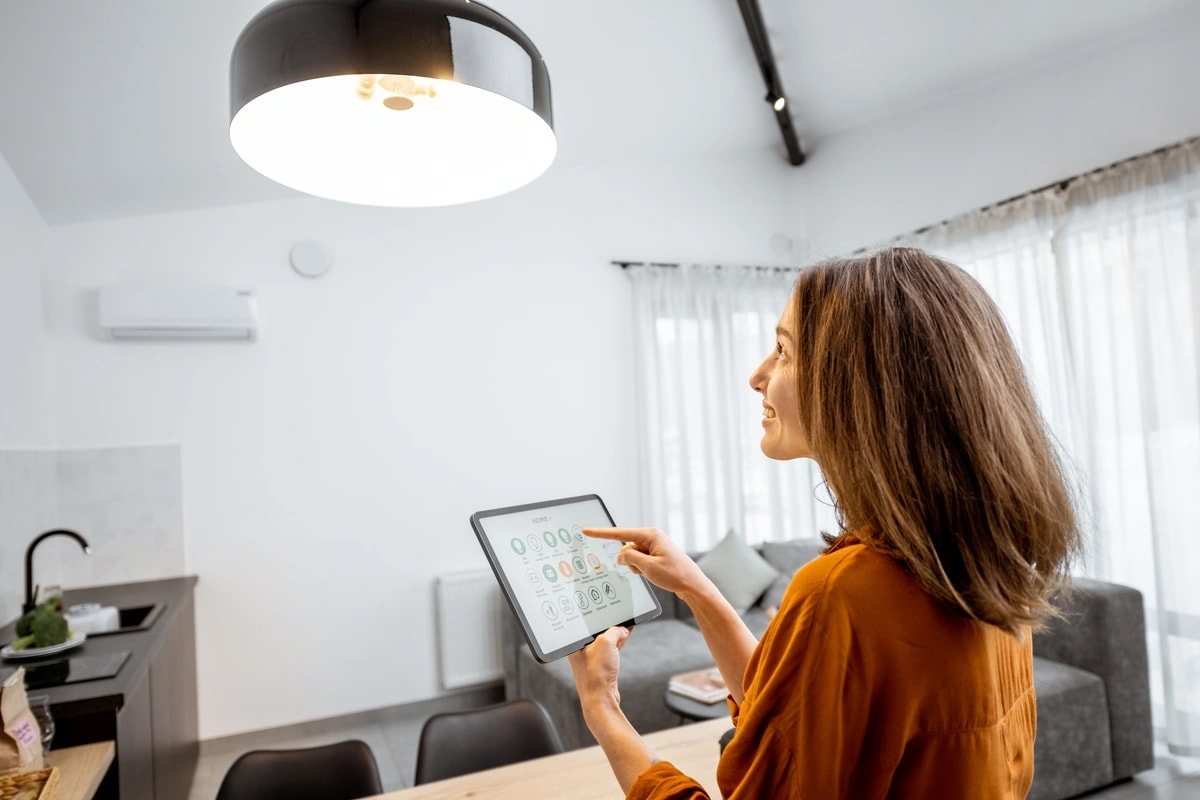
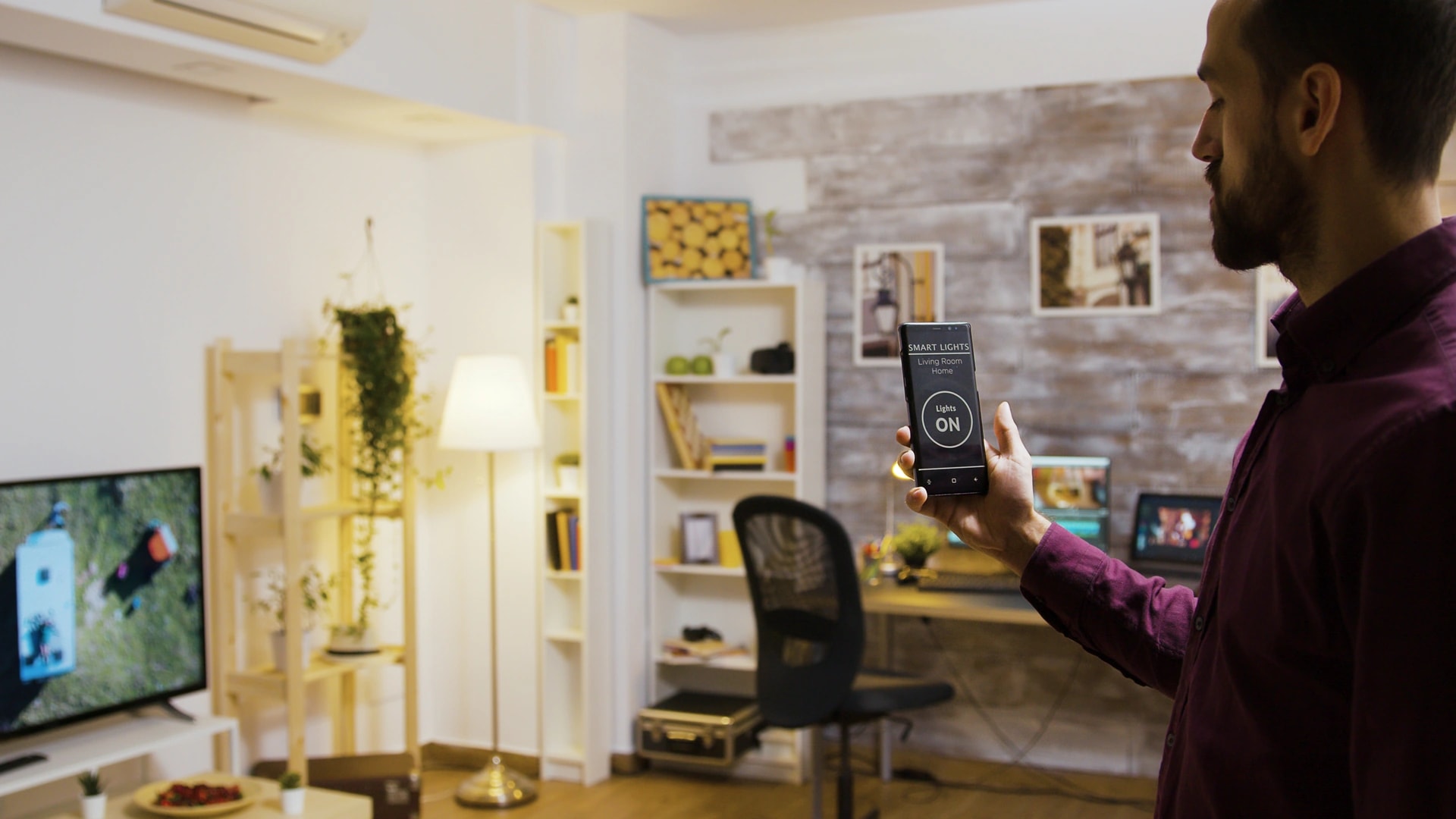
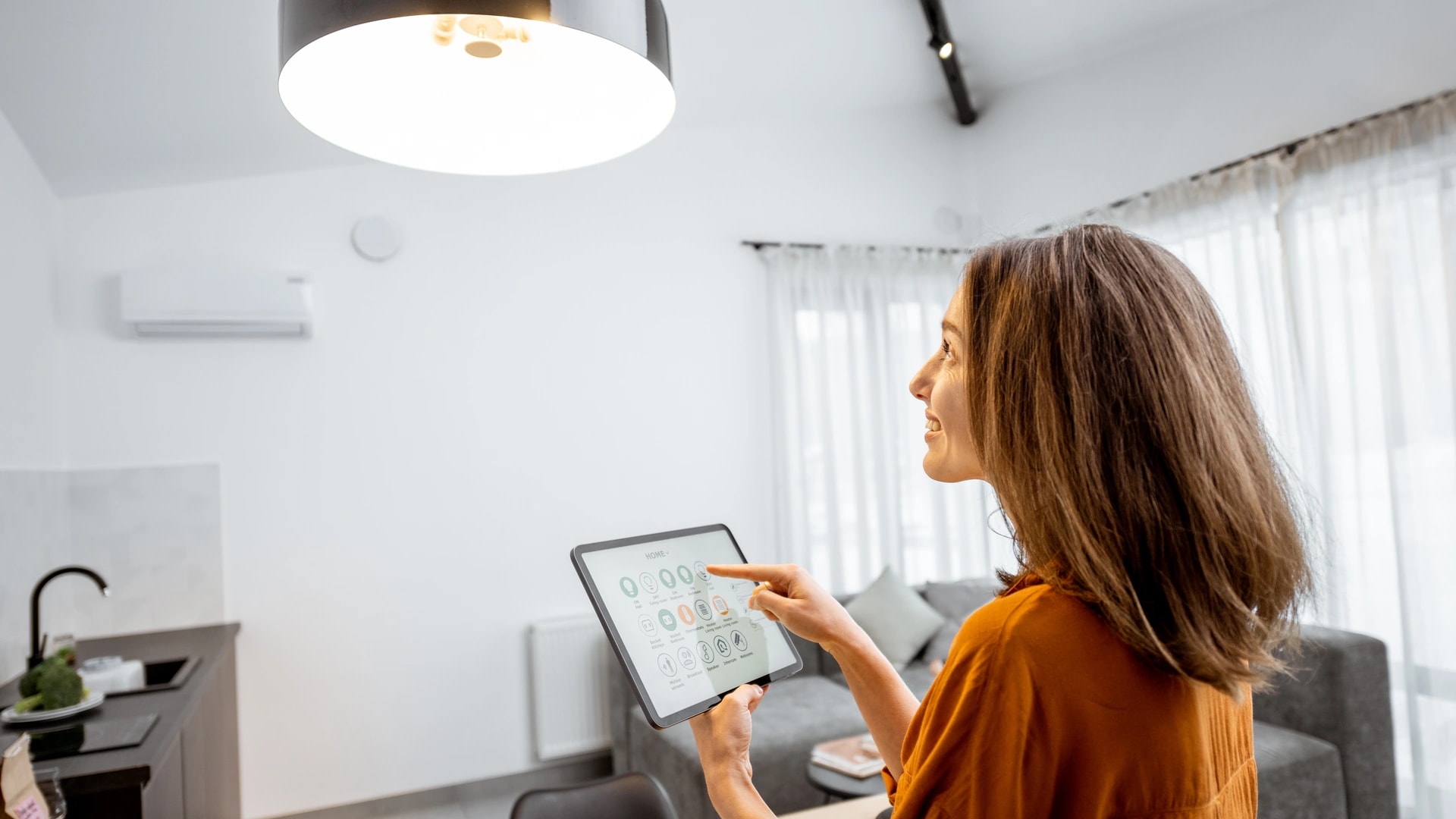
A smart home connects your lights, AC, cameras, locks, and curtains to one network. You run them from an app, a wall panel, or your voice, instead of a separate switch or remote for each one.
In plain English: a smart home is not about how many gadgets you own. It is about whether they work as one system. Ten devices from ten brands, each with its own app, is not a smart home. It is a drawer of remotes with extra steps.
People also search for home automation in Dubai. Home automation is the automatic part, a schedule or a sensor acting without you asking. A smart home is the wider connected system around it. Most homeowners use the two words to mean the same thing, and for planning your home, the difference rarely matters.
Quick take: yes, a smart home is worth it in Dubai, when you size it to your home and start with the highest-impact system. Smart AC and lighting control cut cooling costs 20 to 30 percent, and cooling is the biggest line on your DEWA bill in summer[10]. It is a weak buy only when it is a pile of disconnected gadgets with nothing tying them together.
Four worries come up again and again in Dubai homes. You end up with seven apps, one per brand. The house goes dumb when the internet drops. The installer vanishes after setup. And you are not sure your family can actually use it. A good system answers all four: one app or one voice command, wall switches that still work offline, in-house support, and controls simple enough for everyone at home.
The 12 smart home systems, explained
A full Dubai smart home is built from up to 12 systems. Most homes start with two or three, usually lighting and climate plus security, then add more over time. Here is what each one does, and the service page for the detail.
| System | What it does | Starts from |
|---|---|---|
| Smart lighting | Scenes, dimming, and keypads, instead of one switch per fixture | from AED 4,500 |
| Climate and AC control | Zone-by-zone cooling so you do not chill empty rooms; the biggest DEWA saver | from AED 4,500 |
| Security and CCTV | Cameras and alarms at a 1080p HD, 31-day baseline | from AED 15,000 |
| Access: gate, locks, intercom | Gate control, smart locks, video intercom, and staff PINs in one app | from AED 4,500 |
| Motorized shading and curtains | Blinds that block heat before it becomes a cooling load | from AED 2,800 |
| Whole-home audio | Multi-room music across the majlis and outdoor zones | Scoped per home |
| Home cinema | A dedicated theater room built for sound and picture | Scoped per home |
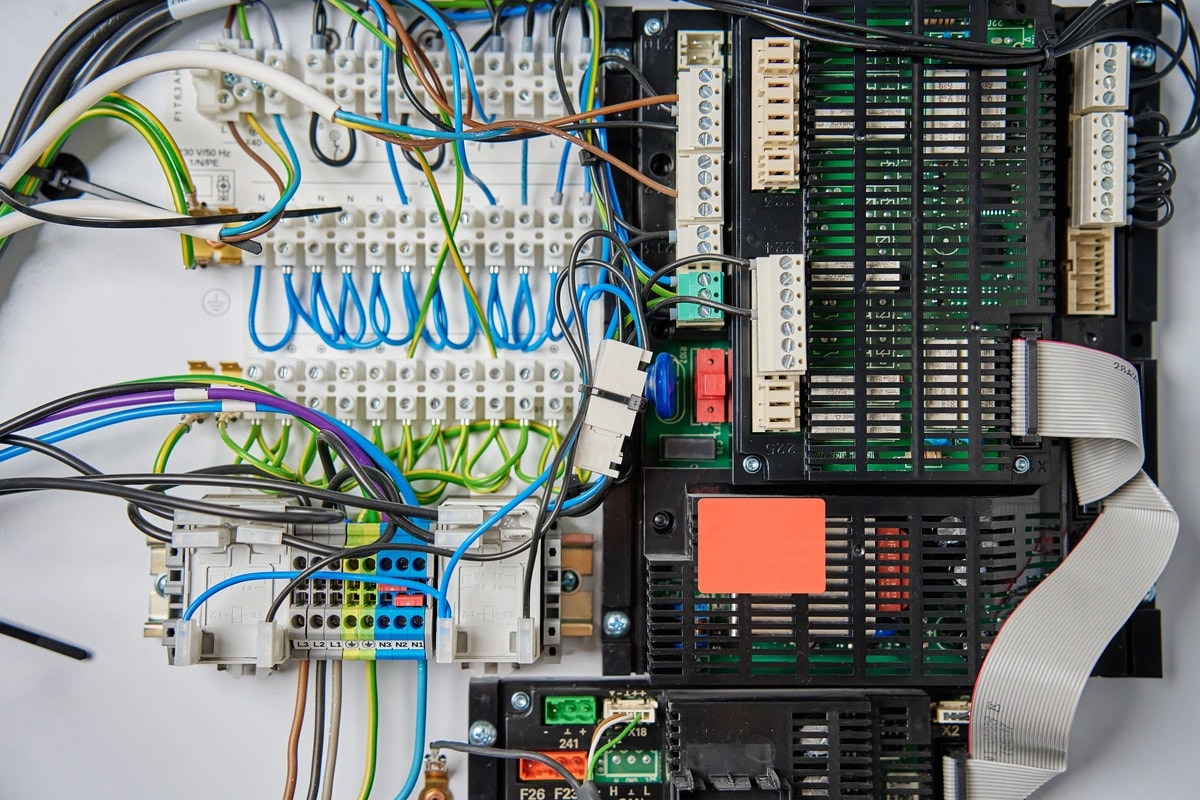
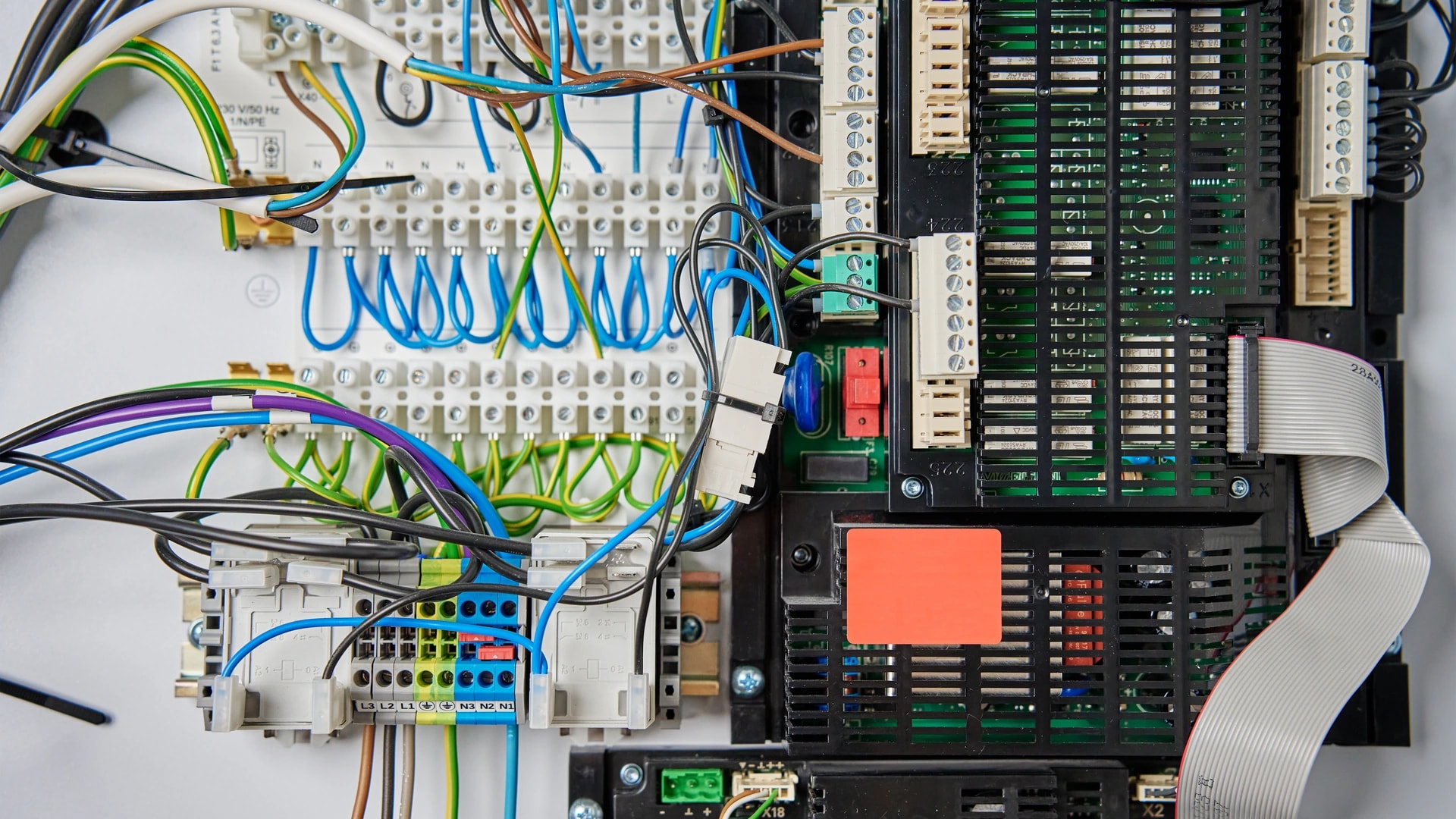
| Home networking and IT | The Wi-Fi and cabling backbone every other system needs | Scoped per home |
| Energy management and solar | Solar PV, battery storage, EV charging, and load control | Scoped per home |
| Voice control and AI | One input layer in English and Arabic, on top of everything else | Scoped per home |
| Pool and outdoor automation | Pool pumps, irrigation, and landscape lighting on a schedule | Scoped per home |
| Wellness and comfort | Circadian lighting, air-quality monitoring, and sauna control | Scoped per home |
From our projects: almost nobody installs all 12 at once. A typical Dubai home starts with climate and lighting control, adds security, then grows into audio, shading, and the rest as budget allows. In a villa you can wire for everything now and switch systems on later.

How much does a smart home cost in Dubai?
A smart home in Dubai runs from about AED 2,000 for one room to AED 250,000 or more for a large villa with everything wired[10]. Most full apartments land between AED 8,000 and 15,000. These are the typical installed prices, including hardware, wiring, programming, and the app.
| Home | Typical installed price | Time to install |
|---|---|---|
| One room (starter) | AED 2,000 to 5,000 | Same day to 1 day |
| Full apartment (1 to 3 bedrooms) | AED 8,000 to 15,000 | 2 to 4 days |
| Villa (essentials) | from AED 30,000 | Varies by scope |
| Villa (fully wired) | AED 150,000 to 250,000+ | 5 to 14 days |
Four things move the number: how many rooms and devices you cover, whether it is a new build or a retrofit, the brand tier you pick (from Aqara and Apple Home up to Control4, Crestron, and Savant), and how many of the 12 systems you add[10].
The Dubai reality: an advertised from AED X is a starting point, not your final invoice. A phone quote is a range until an engineer walks the home. Budget for optional maintenance too, around 5 to 10 percent of the project value a year, which most first-time buyers forget[10].
For the full breakdown by room and by system, read our guide on how much a smart home costs in Dubai.
Villa, apartment, or rental: what is right for you
Your home type decides almost everything. Own a villa and you can wire a backbone that lasts decades. Rent an apartment and you want a setup that comes off the wall clean when you leave.
Villas. This is where a wired KNX backbone makes the most sense. There are no shared walls, villas are often new builds, and the full 12-system setup is realistic, including pool, gate, and cinema. If you are building, pre-wire, because it costs 60 to 70 percent less than retrofitting later[10]. Our smart home guide for villa owners lays out the full roadmap.
Apartments. A mix works best: wired lighting and AC control where the building allows it, plus wireless devices for everything else. A full apartment package runs AED 8,000 to 15,000[10]. In dense towers like Dubai Marina, JBR, and Business Bay, crowded Wi-Fi is the real constraint, so the network matters as much as the devices.
Renters. Go wireless and no-drill so the setup is fully reversible and your deposit is safe. A starter kit of wireless bulbs, plug-in AC controllers, and clip-on curtain motors starts from about AED 2,000[10]. Everything comes with you when you move. Our guide for renters and apartments covers what to install and what to ask your landlord.
| System | Villa | Apartment | Renter |
|---|---|---|---|
| Lighting | KNX or Lutron, wired | Aqara or Lutron, mixed | Wireless bulbs and switches |
| Climate and AC | Zoned KNX AC control | Smart thermostat or IR controller | IR AC controller, no drilling |
| Security | Full CCTV and alarm | Entry camera, smart lock | Battery camera, retrofit lock |
| Shading | Motorized, villa-wide | Motorized per room | Clip-on curtain motors |
| Networking | Structured cabling and mesh | Mesh Wi-Fi nodes | One extra mesh node |
| Voice and AI | Pro controller plus voice | Consumer ecosystem | Consumer ecosystem |
| Energy and solar | Solar, battery, EV charging | Rare, no roof access | Not applicable |
Wired vs wireless: smart home protocols in 60 seconds
Wired systems run the house; wireless systems fill in around them. In a villa you want a wired backbone. In an apartment or a rental, wireless does most of the work. Here is each term in one line.
- KNX. A wired backbone that runs without the internet. Best for villas and new builds, with a 30-year-plus lifespan.
- Zigbee and Z-Wave. Wireless mesh systems that need no drilling, with batteries that last years. Best for retrofits and renters.
- Wi-Fi. What your phone already uses. No hub needed. Fine for a few devices, but it drains batteries at scale.
- Matter. A shared standard from 2022. One Matter device can work with Apple, Google, and Amazon together[8]. It sits on top of Zigbee, Z-Wave, Thread, and Wi-Fi, it does not replace them.
Common mistake: buying Z-Wave gear from a US website. The UAE uses the 868 MHz band, the same as Europe, not the 908 MHz band the US uses. A US-region Z-Wave device runs the wrong frequency here, so it may not talk to your hub at all. Our smart home protocols guide walks through each one, and our home networking team sets the backbone up right.
Which platform runs it: Alexa, Google, Apple, or a pro system
Two tiers run a smart home in Dubai: consumer ecosystems (Alexa, Google, Apple) and professional systems (Control4, Crestron, Savant), and most homes end up touching both. Consumer voice assistants are a convenient way to control things. A wired backbone or a professional controller is what keeps the house working when the Wi-Fi drops.
Consumer ecosystems. Amazon Alexa has been officially supported in the UAE since December 2021, with a dedicated Khaleeji Arabic voice. Apple Home is officially present too, with local stores. Google Home has no official UAE Store listing, though the app still works. Our full Alexa vs Google Home vs HomeKit comparison covers the Arabic support and privacy trade-offs.
Professional systems. Control4, Crestron, and Savant are pro platforms, usually layered on top of a wired KNX backbone rather than chosen instead of it. They matter most in a large villa, where gate, security, and whole-home AC all need to stay reliable. See our Control4 vs Crestron vs Savant guide, or our voice control and AI and home cinema pages.
Real talk: for one room or an apartment, a consumer ecosystem is plenty. For a full villa, put a wired backbone in first, then add voice on top.
What AI actually adds in a smart home in 2026
AI is moving smart homes from reacting to a command toward anticipating your routine. Your home starts to learn when you wake, when you leave, and how you like each room, then sets the scene before you ask. On-device processing and Matter's growing cross-brand support make this smoother in 2026 than a year ago.
The Dubai reality: the newest AI layers are not fully here yet. Amazon's Alexa+ and Google's Gemini for Home are not available in the UAE as of mid-2026, and Apple's new Siri AI does not include Arabic at launch. Treat AI as a promising layer on top of a solid system, not something a Dubai home can lean on today. Our guide to AI in the Dubai smart home covers what is real now and what is still coming.
Cutting your DEWA bill and energy use
Smart AC and lighting control cut cooling costs 20 to 30 percent, and cooling is the biggest line on a Dubai bill in summer[10]. This is the fastest, most reliable return in the whole house.
Quick math: a villa paying AED 4,000 a month to DEWA in summer can save AED 800 to 1,200 a month once smart AC and lighting control are in[10]. DEWA's own guidance backs the logic: each degree above the 24 C setpoint saves up to 5 percent on AC use[3]. Motorized blinds add another 15 to 20 percent by blocking heat before it becomes a cooling load[10].
What it costs: the honest total from automation alone is 20 to 40 percent, not 50. The only time you see savings above that is when you add rooftop solar, which is a separate, much larger investment with its own payback. Our guide on cutting your DEWA bill with a smart home runs the savings by home size, and our energy management and solar team sizes the system.
Security, cameras, and privacy
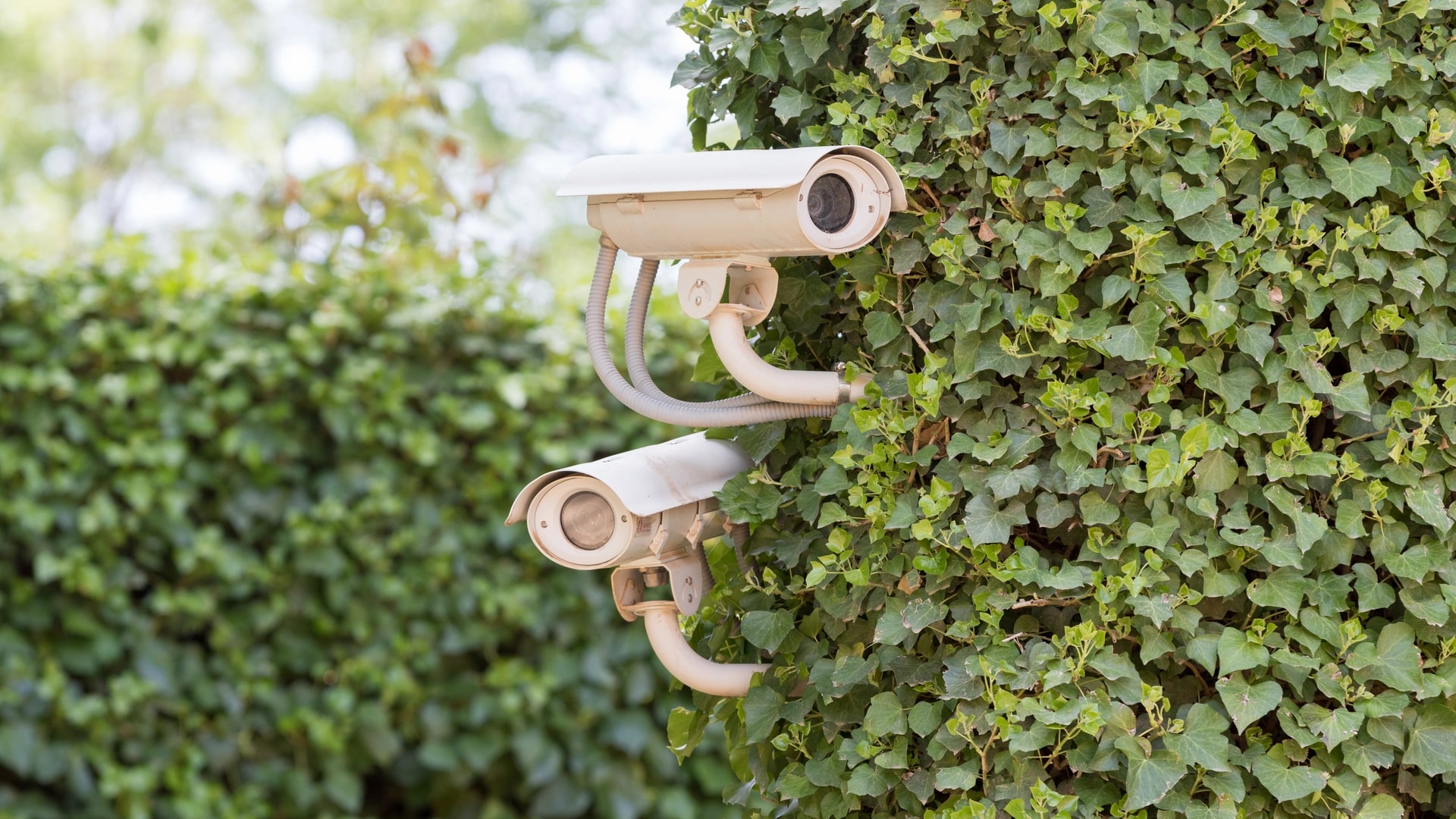
For a home camera setup, aim for 1080p Full HD and 31 days of stored footage. That is the SIRA standard for regulated premises, and it is a sensible bar for a private home too[4]. You do not need 4K, and there is no cited law that requires it.
Good news for homeowners: private homes do not need SIRA approval or registration for their own cameras. That requirement targets commercial premises and shared building infrastructure, not an individual villa or apartment[4]. Our SIRA CCTV guide explains exactly what applies to a private home.
Two more things matter. First, consent: under UAE data protection law, camera, voice, and biometric data all need consent from anyone the device might capture, including domestic staff[6]. Second, hacking: any connected device can be attacked, but the real risk comes from weak passwords, old firmware, and cheap unbranded hardware, not the technology itself. Our guide to securing a smart home from hackers has the full checklist, and our security and surveillance and networking teams set it up safely.
Want a monitored option? Dubai Police runs a Smart Home Security service that starts from about AED 147 a month on a 3-year plan[9]. It is optional and separate from SIRA's technical CCTV rules.
What the law lets you do
You can build a smart home in Dubai with very few restrictions, as long as you handle recorded data properly. Three things set the rules.
- Data protection. UAE PDPL (Federal Decree-Law 45 of 2021) covers camera, voice, and biometric data, which all need consent[6].
- CCTV standards. SIRA sets a 1080p HD and 31-day baseline for regulated premises; private homes are exempt from approval[4].
- Community rules. Your own community's design guidelines govern anything visible from outside, like a camera angle over a shared path or a change to your gate.
For the full picture on permissions and what needs a sign-off, see our guide to smart home laws in Dubai.
Does a smart home add property value?
Yes, but by less than the internet claims. The best Dubai data shows villas with smart or green features sell for about 4 to 7 percent more, and rent for 8 to 12 percent more, than similar homes without them[7]. Ignore any site promising a 12 to 30 percent jump from automation alone.
Rent captures the value more reliably than resale. A tenant feels the lower DEWA bills and the remote access every day, and pays for it at each renewal. A buyer negotiates one price against older, non-smart homes nearby. Our guide to smart home property value in Dubai shows the sourced numbers and where the value actually lands.
Thinking about resale or rent on your Dubai property? Book a free site visit and quote →
How to start: a step-by-step plan for a Dubai home
Start here: plan the home before you buy a single device. This six-step order keeps the money on the systems that pay back first.
- Assess what you have. Villa or apartment? Own or rent? New build or finished? This one answer decides most of what follows.
- Prioritise by impact. Climate and AC control first, for the DEWA saving. Then security and access. Then lighting, shading, and the rest as budget allows.
- Budget against real tiers. One room AED 2,000 to 5,000; full apartment AED 8,000 to 15,000; villa essentials from AED 30,000; villa fully wired AED 150,000 to 250,000 or more[10].
- Decide pre-wire vs retrofit. If the home is still under construction, pre-wiring is 60 to 70 percent cheaper than retrofitting later[10]. Once the walls close, that discount is gone.
- Choose an installer. Use the checklist in the next section, not price alone.
- Confirm after-sales support. Ask what the warranty covers, what costs extra, and who answers the phone in year two.
Common mistake: buying gadgets before picking an ecosystem. Five brands of Wi-Fi bulb become five apps, which is the exact problem a smart home is meant to solve. Missing the pre-wire window on a new villa, and ignoring Dubai's concrete-wall Wi-Fi reality, are the other two we see most.
How to choose an installer in Dubai
The number one worry we hear is simple: the installer disappeared after setup. So after-sales support matters more than any single feature. Use this checklist to interview any company, us included.
- In-house engineers, no subcontracting. Who shows up to fix a fault matters as much as who sold the system.
- A stated support response time. A real number beats a vague we are here for you. We answer sales enquiries within 2 hours and run 24/7 support[10].
- One app, not seven. Ask to see the actual control app before you sign, not a brochure screenshot.
- English and Arabic. In a multilingual household this is a real requirement, so the whole family can use the system.
- A checkable track record. Ask how many projects, and for how long. We have completed 100+ since 2016[10].
- Written scope and pricing. An honest quote is a range until someone has walked the home.
Prefer to ask an engineer directly? Message us on WhatsApp →
Dubai realities: heat, DEWA, concrete walls, and communities
A smart home in Dubai has to deal with things a guide written for London or Texas skips. Four of them shape how we install.
Heat. Summer temperatures push outdoor and attic-mounted gear hard. This is an install-quality issue, not a brand one: proper enclosures, ventilation, and heat-rated cable. No controller brand is magically better in the heat than another.
DEWA. Cooling is the biggest line on your summer bill, and DEWA bills on a flat tariff with no cheaper night-time window to shift usage into[3]. So the saving comes from cutting wasted cooling, not from moving usage around the clock.
Concrete walls and Wi-Fi. Dubai's reinforced-concrete construction is harder on wireless signal than the timber-frame homes common elsewhere. One router rarely covers a villa. Budget for a mesh Wi-Fi system from the start, usually AED 300 to 700, rather than fighting dead zones later.
Communities and smart-city context. We work across Palm Jumeirah, Emirates Hills, Dubai Hills Estate, Arabian Ranches, and the Marina and Downtown towers. New buildings increasingly arrive pre-wired for connectivity, driven by TDRA's Smart Buildings Guideline and Dubai Municipality's Al Sa'fat green-building rules[2][5]. This is part of Digital Dubai's smart-city push, which has run 130 plus initiatives since 2014[1]. One honest note: the Dubai 2040 Urban Master Plan does not mandate smart homes, whatever some blogs claim. The momentum comes from those programs, not the 2040 plan. That is the thinking behind everything we build at Dubai Smart Home.
How Dubai Smart Home helps
We build one system, run from one app, with hardware chosen to last. Our engineers are in-house and based in Dubai, we do not subcontract, and every system works in English and Arabic. Since 2016 we have completed 100+ projects across Dubai villas and apartments, rated 4.9/5 by homeowners.
We map your home, plan for the DEWA saving first, then wire for the systems you actually use, across lighting and climate, security, and energy. You can see the full list on our services hub.
Ready for a real number for your home? Book a free site visit and quote → or message our team on WhatsApp →. We answer enquiries within 2 hours.