If you have searched this topic, you have probably read that Dubai is a legal minefield for smart homes. It is not. Home automation regulations in the UAE are narrow and specific. They step in at four clear moments, and most smart devices never cross any of them.
We install and support smart systems across Dubai, from Emirates Hills villas to Business Bay apartments, and we have done so since 2016. On one project, in one week, our engineers handle a DEWA-enrolled contractor sign-off, a community approval for an exterior camera, and a licensed electrician inspection. So this is not legal theory. It is the same paperwork we work through before we touch a wall. For the full build picture, start with our complete smart home guide for Dubai.
Do you need permission to make your home smart in Dubai?
Short answer: mostly no. Wireless, plug-in, and no-drill smart devices need no permission from anyone. That holds in a rented flat, an owned flat, or a villa. Permission only enters the picture when the work touches one of four things.
Here are the four triggers. Cross one and someone official is involved. Cross none and nobody needs to sign off.
- Fixed wiring. Anything hardwired into the mains, a new circuit, or a wired KNX backbone. That is DEWA-enrolled contractor work.
- Structure. Breaking walls, moving a fire alarm, or altering the central AC. This can need a Dubai Municipality or Trakhees permit.
- Someone else's property. A camera pointed at a neighbor, a balcony, or a shared hallway. This is a privacy and community-rules question.
- A shared building system. The building CCTV, the access control, or the main electrical board. Building management gets a say.
That is the whole framework. The rest of this guide takes each authority in turn, so you can find your exact case fast. Renter or owner, apartment or villa, private home or licensed holiday let: the rules are genuinely different, and most guides blur them into one.
The permissions matrix at a glance
This table is the spine of the guide. It maps common smart-home jobs to whether you need permission, who from, and the one note that matters. The detail for each row sits in the sections below.
| Activity | Permission needed? | Authority | Note |
|---|---|---|---|
| Smart bulbs, plugs, sensors, IR AC controllers | No | None | Wireless and reversible, install them yourself |
| Retrofit smart lock that clips on the existing deadbolt | No (tell your landlord if renting) | Landlord, as courtesy | Original cylinder stays, fully reversible |
| Hardwired smart switch, dimmer, or KNX backbone | Yes, in practice | DEWA-enrolled contractor | Touches fixed wiring, needs inspection sign-off |
| New circuit for an AV rack or AC zone controller | Yes | DEWA-enrolled contractor | New wiring behind the wall |
| Rooftop solar that exports power to the grid | Yes, formally | DEWA (Shams Dubai) | NOC, enrolled solar contractor, smart meter |
| Home EV charger | Contractor only | DEWA-approved contractor | Like any appliance install, no separate permit |
| CCTV inside your own home, facing your own space | No | SIRA not applicable | Private homes are exempt from SIRA approval |
| Camera facing a shared hallway, or a neighbor | Yes, or not allowed | Building management and PDPL | Consent and community rules apply |
| Tenant fixing anything hardwired or drilled | Yes, in writing | Landlord (Law 26 of 2007) | Reversible devices are exempt |
| Exterior or facade change in a gated community | Yes | Master developer or owners association | Get the approval before work starts |
| Buy a Wi-Fi or Zigbee device from UAE retail | No | TDRA (on the seller) | Already type-approved before it can be sold |
| Smart lock on a licensed holiday home | Reportedly yes | SIRA via DET licensing | A business-permit rule, not a private-home one |

What you do not need permission for
Most of a smart home falls here. If a device is wireless, battery-powered, or plug-in, and it changes nothing structural, no one needs to sign off. This is the same in a rented flat, an owned flat, or a villa. Take these home and set them up the same day.
- Smart bulbs, smart plugs, and switch covers that sit over an existing switch with no rewiring.
- Smart AC controllers and IR blasters that work through your existing remote.
- Stick-on door, window, motion, and water sensors.
- Clip-on curtain and blind motors that clamp onto the existing rail or rod.
- Battery cameras and video doorbells pointed only at your own space, not a neighbor or a shared hallway.
- Robot vacuums, smart speakers, and voice assistants bought through normal UAE retail.
- Zigbee, Thread, Matter, and UAE-region Z-Wave hubs and small plug-in nodes.
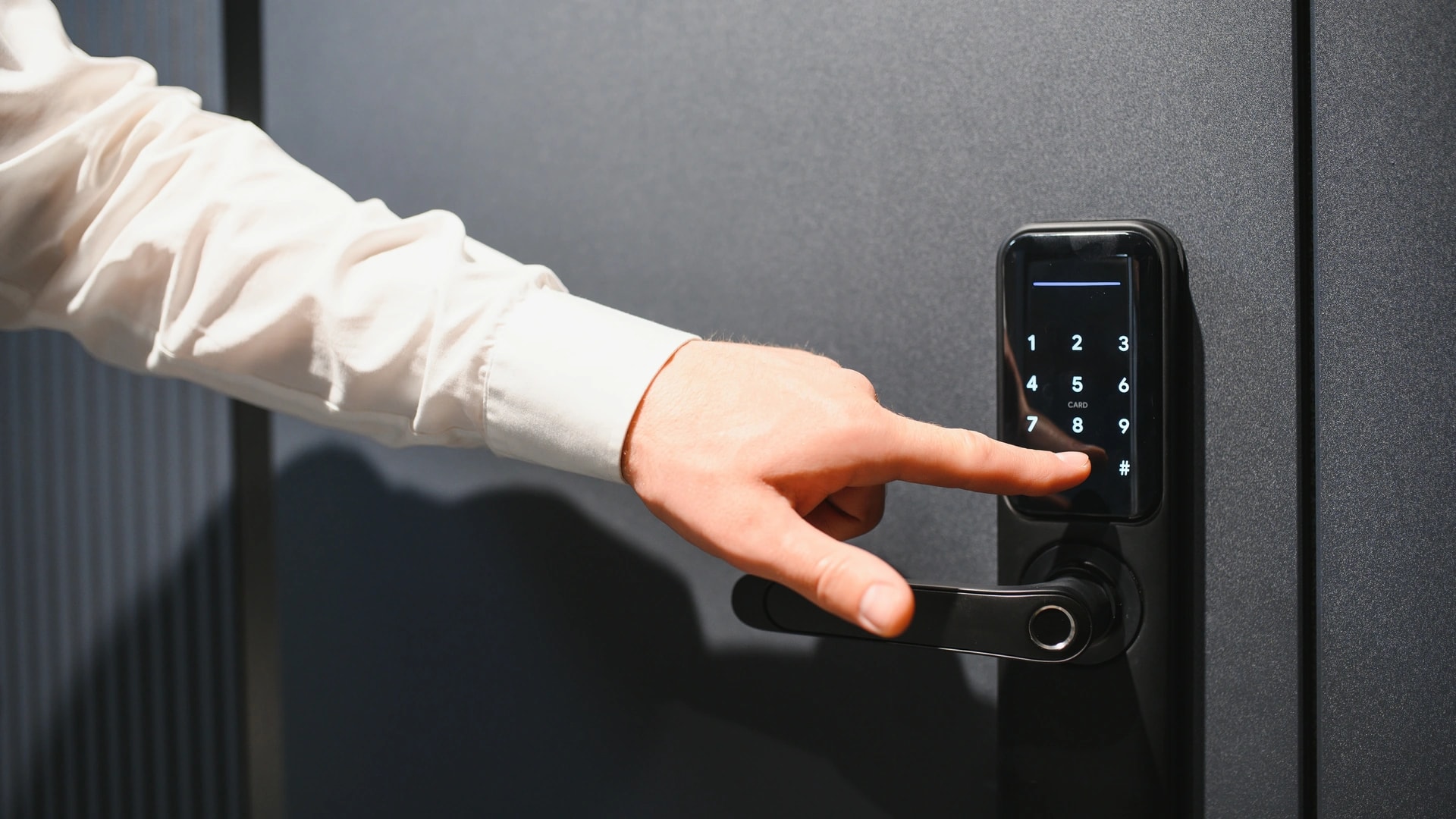
- Retrofit smart locks that clip onto the deadbolt without removing the original cylinder.
- Taking any of the above with you when you move out of a rental.
The rule: if a device needs a drill, a new circuit, or a connection to the building shared systems, something official is involved. If it needs none of those, nobody signs off. That single line answers most permission questions in Dubai.
Cameras and CCTV: what SIRA actually covers
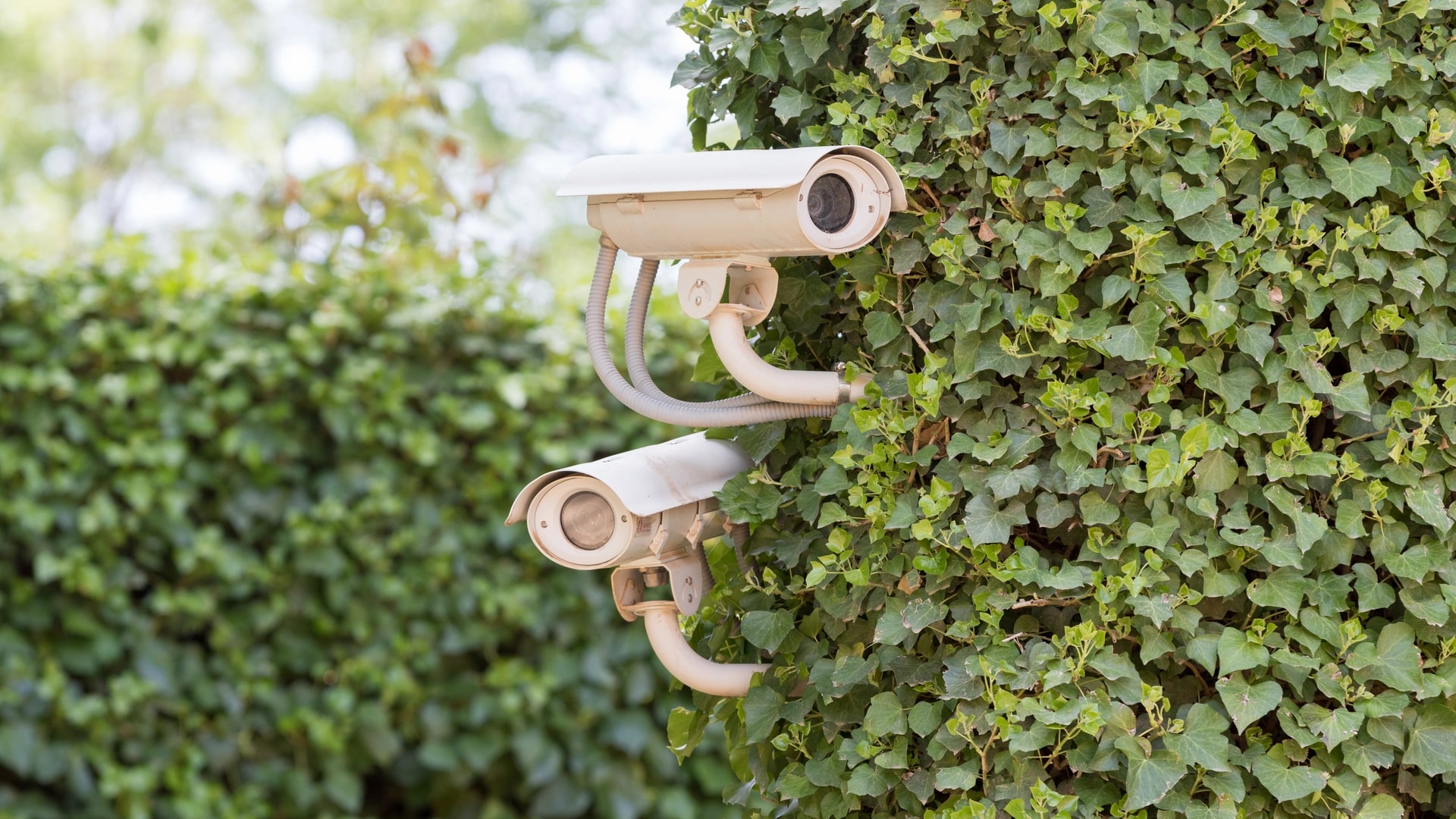
Short answer: a private villa or apartment used only as a home does not need SIRA approval or a permit for its own cameras[1]. SIRA is Dubai's security regulator. Its rules target security companies and commercial premises, not a homeowner watching their own front door.
The technical minimums people quote are commercial ones. For regulated premises, the standard is 1080p Full HD as a minimum, with 31 days of stored footage[2]. There is no legal minimum resolution for a private home camera at all. Set the quality you want.
Common myth: that 4K is now the law for home cameras. It is not. The 4K claim traces to no cited rule, and the real commercial figure is 1080p[2]. Buy the camera that suits your home.
The Dubai catch: your community can add its own placement rules on top. In Nakheel communities, for example, cameras are allowed on the inner face of the boundary wall only, never the outer or top, and the feed must not capture a neighbor's plot. DAMAC generally allows driveway cameras but reviews anything facing a communal area. Emaar routes exterior changes through its community-management approval. Check your own community guidelines first.
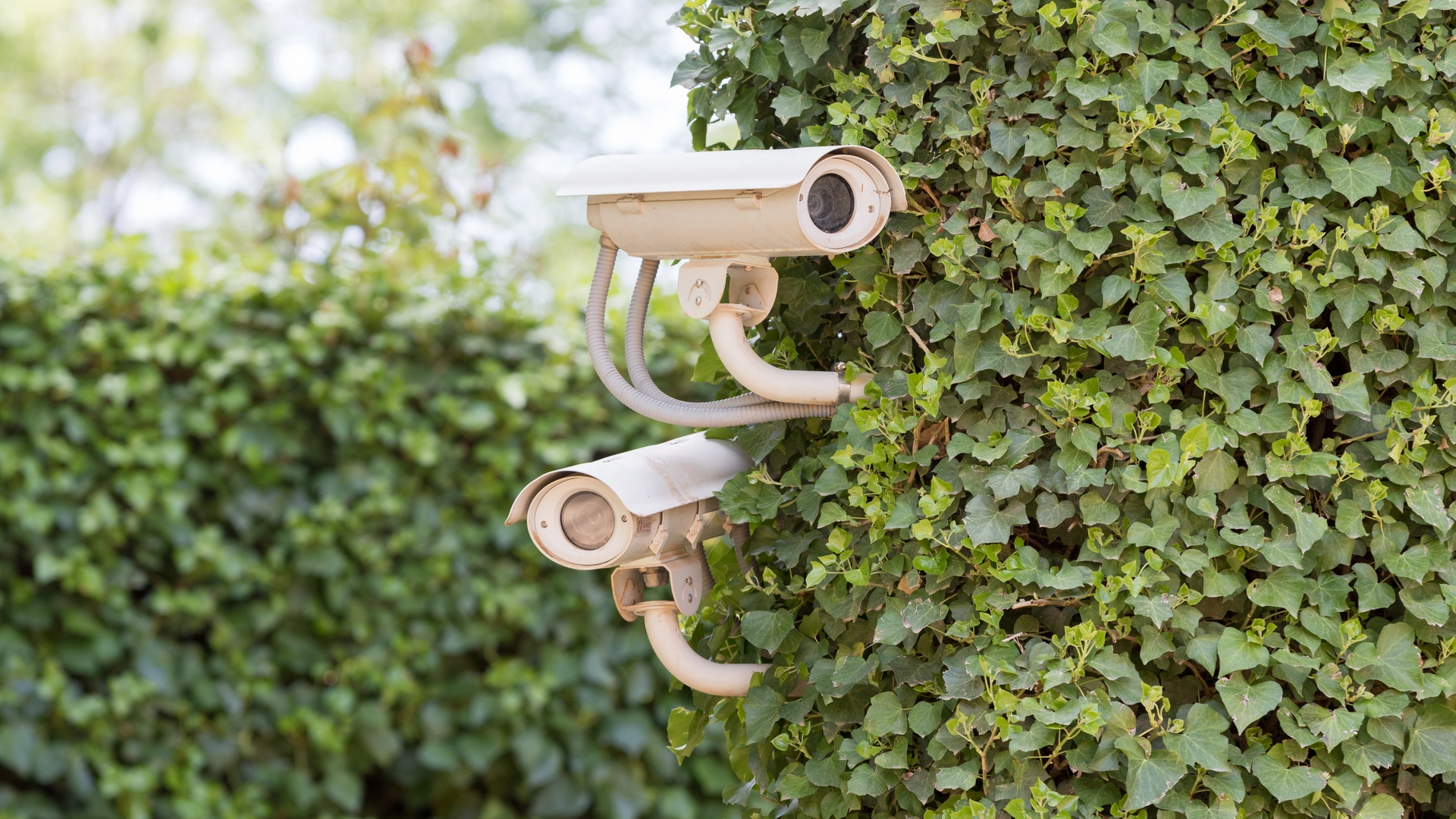
For the full breakdown, including retention advice and Dubai Police monitoring options, read our SIRA CCTV requirements guide. When we plan a camera layout, our security and surveillance team checks angles against both privacy law and community rules before a single bracket goes up.
Privacy and the PDPL
Short answer: point your cameras and microphones at your own property, and you are fine. The UAE Personal Data Protection Law, Federal Decree-Law 45 of 2021, sets consent as the rule for recording identifiable people, including faces, voices, and other biometric data[8].
In plain terms, that means a few simple things for a home. Do not aim a camera at a neighbor's window, balcony, or garden. Do not record a shared corridor. Tell domestic staff that a camera is present, and never place one in a private space like a bedroom or bathroom.
The fines sound frightening, so here is the honest scale. PDPL penalties run from AED 50,000 to AED 5,000,000 per violation, and can double for repeat offenders[8]. That framework is built for companies and large data processors, not a single household. Note that the top figure is AED 5 million, not the AED 50 million some sites print.
Renters, note: your realistic risk from a badly angled camera is a neighbor complaint, not a government fine. A proper site survey at install time fixes it. If your worry is who can reach your camera feed, our guide on keeping a smart home safe from hackers covers the data-security side in detail.
Electrical and wiring work
Short answer: real electrical work should go through a DEWA-enrolled electrical contractor. This is where a lot of online advice overreaches, so here is the accurate version.
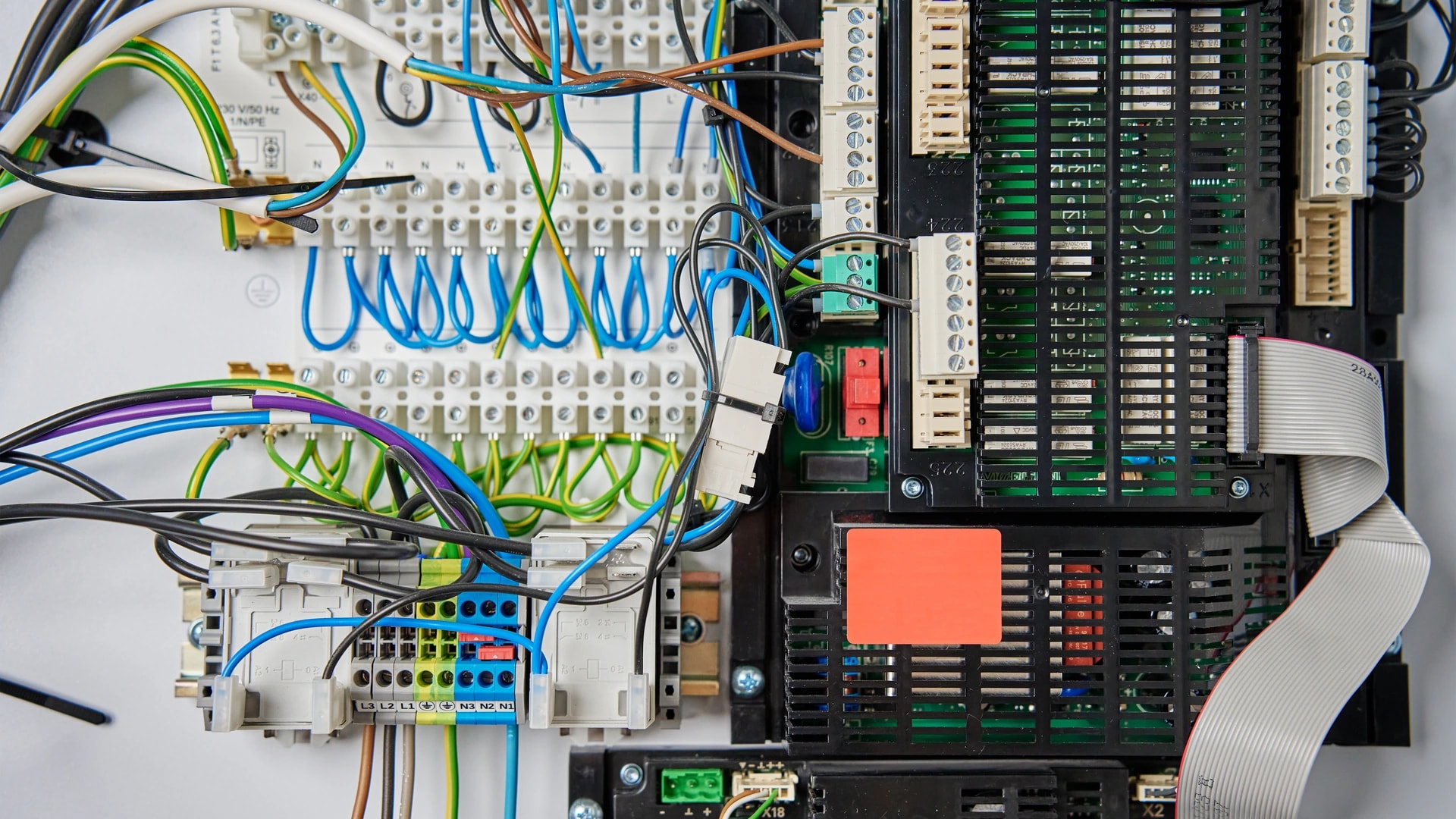
You will read that DIY electrical work is illegal in Dubai. That blanket claim is hard to source, and most pages repeating it sell electrician services. The verifiable mechanism is simpler and more useful. DEWA connects, inspects, and signs off electrical installations only when the work is done by an enrolled contractor holding the right trade license[3].
So the real risk of unlicensed mains work is not a police visit. It is a failed inspection, a blocked reconnection, and a voided home-insurance claim if a fault or fire follows. That is why any competent installer treats hardwired work as licensed-electrician territory, in an apartment or a villa alike.
Here is the practical line for a smart home.
- No electrician needed: a battery smart bulb, a plug-in smart plug, an IR AC controller. Zero wiring change.
- Enrolled contractor needed: a hardwired smart switch or dimmer, a wired KNX backbone, a new AV-rack circuit, or a new AC zone controller. All of these touch fixed wiring.
KNX, by the way, is a wired system that runs without the internet and lasts 30 years or more. It is a common villa choice, and it sits firmly on the licensed-contractor side of the line. Want a real number for your home? Book a free site visit and quote →
Solar panels and EV charging
Short answer: rooftop solar with grid export needs formal DEWA approval; a home EV charger just needs an approved contractor, not a separate permit. These two often get lumped together, but the process is different.
Solar runs through Shams Dubai, DEWA's net-metering program. You cannot self-install panels and connect them to the grid. A DEWA-enrolled solar PV contractor files the NOC, gets the design approved, installs the system, and passes inspection. Only then does DEWA fit the bidirectional smart meter that credits your surplus power[4]. A villa-scale project takes about four months end to end.
A home EV charger is lighter. DEWA treats it like any other appliance install, so the electrical work goes through a DEWA-approved electrical contractor[3]. There is no separate homeowner-filed EV-charger permit the way there is for solar. Hire the right contractor and the wiring is covered.
Both jobs sit on the licensed-contractor side of the wiring line, alongside a Tesla Powerwall or a Span panel. Our energy management and solar team handles the DEWA process as part of the install. For the savings math on going smart with energy, see our guide on cutting your DEWA bill with a smart home.
Renters, RERA, and your landlord
Short answer: renters can install anything reversible with no permission, but need written landlord approval for anything fixed. There is no smart-home-specific RERA rule. The general tenancy law applies.
That law is Dubai Law No. 26 of 2007, as amended by Law No. 33 of 2008. It says a tenant should not make changes, renovations, or maintenance works without the landlord's permission[5]. The law predates smart homes, so it never names them. The safe reading is the plain one: ask before you alter anything fixed.
Renters, note: that line splits your devices cleanly.
- No permission needed: smart bulbs, plugs, IR AC controllers, clip-on curtain motors, stick-on sensors. Nothing is altered.
- Tell the landlord anyway: a retrofit smart lock that clips on the deadbolt. It is reversible, but it touches lock hardware.
- Written permission needed: a hardwired switch or thermostat, drilled brackets, or anything wired into the building systems. Unauthorized fixed changes can be grounds for eviction.
Two more things renters ask. Your deposit is 5 percent of annual rent for an unfurnished home, or 10 percent furnished, and a no-drill device leaves nothing to deduct at move-out[9]. And Ejari, the tenancy registration system, has no smart-home field, so it does not track your devices. That is exactly why reversible kit beats paperwork. Our smart home guide for renters goes device by device. If you are on the landlord side of this, our piece on smart homes and property value covers what actually lifts rent and resale.
Buildings, communities, and new construction
Short answer: your community can require an approval for exterior changes, and genuine structural work needs a building permit, but retrofitting smart tech into an existing home triggers no green-building rule. Al Sa'fat applies to new buildings only.
Start with your community. Most gated communities, including Emaar, Nakheel, DAMAC, Meraas, and Wasl, want a master-developer or owners-association approval before any exterior or facade change. That covers a facade-mounted camera, a satellite dish, exterior lighting, or signage. Many also ask any contractor to submit a trade license and insurance to building management before starting on site.
Genuine structural or MEP work is a separate layer. Breaking walls, moving a fire alarm, or altering the central AC needs a building permit. On the mainland that is Dubai Municipality. In Palm Jumeirah, Jumeirah Islands, JLT, JVC villas, Al Furjan, and JAFZA, it is Trakhees instead, a different authority with a different portal and drawing format. Dubai also tightened building-safety rules across 2026, which is one more reason building managers are strict about any work that touches shared systems.
Common myth: that Al Sa'fat forces your existing villa to add smart features. It does not. Al Sa'fat is Dubai Municipality's green-building system, mandatory for new buildings since October 2020 at a Silver rating minimum[6]. It is a developer obligation for new construction, not a retrofit rule you apply for. It is the reason new Dubai homes increasingly ship smart-ready, though.
Wireless devices and TDRA approval
Short answer: if you buy from a UAE shop, you do nothing. TDRA type approval is the seller's obligation, not yours. Devices sold through Amazon.ae, Noon, or a local distributor are already approved before they reach the shelf[7].
TDRA is the UAE telecom regulator. It requires type approval for Wi-Fi and Bluetooth radio gear, including smart-home hubs, before legal sale. As a buyer in Dubai, that step is handled for you.
The Dubai catch: gear you import or hand-carry from abroad is a grayer area, and one protocol has a hard technical trap. A personal import technically falls under a customs release process, though a single traveler's smart plug is rarely an issue. The real trap is Z-Wave. The UAE uses the European Z-Wave frequency, 868 MHz, not the United States 908 MHz. A US Z-Wave hub will not pair with UAE devices. That is physics, not paperwork, so buy EU, UK, or Middle-East-region Z-Wave kit.
Zigbee, Thread, and Wi-Fi all use the single global 2.4 GHz band, so they have no regional lock. Our guide on choosing a smart home protocol in Dubai explains which to pick. A solid home network is what keeps all of them stable once installed.
Short-term rentals and smart locks
Short answer: if you run a licensed Dubai holiday home, you likely need a specific smart lock; if you live in your own home, none of this applies. This is a business-permit matter, not a private-residence one, so treat the detail below with care.
Any short-term or Airbnb-style rental needs a DET Holiday Home permit (DET is the Department of Economy and Tourism). Beyond that, many property managers and lock vendors report that since 2025, DET will not issue or renew a holiday-home license without a SIRA-approved, keyless smart lock on the main door, one that logs access events. That points to app or code entry, not a physical key.
We flag this honestly. Every source for the smart-lock rule is a vendor or property manager with something to sell, and we could not confirm it against a primary DET or SIRA circular. It is widely reported and consistent with SIRA's commercial-premises scope, so treat it as plausible for licensed operators, and confirm directly with DET before you rely on it. It does not touch a private home used only as a home. For access hardware on either kind of property, our smart gate and access control team can advise.
The per-authority cheat sheet
Six authorities appear in this guide, each with its own scope. Here is who governs what, and whether a private home owner deals with them directly.
| Authority | What it governs | Does a private home deal with it? |
|---|---|---|
| SIRA | Security companies and commercial-premises CCTV standards (1080p, 31 days) | No, private homes are exempt |
| DEWA | Electrical connections, enrolled contractors, Shams Dubai solar, EV chargers | Through a licensed contractor, yes |
| RERA and DLD | Landlord and tenant relationship, Ejari, rental disputes | Renters yes, owner-occupiers no |
| Dubai Municipality | Building permits and Al Sa'fat green-building rules for new construction | Only for real structural work or a new build |
| TDRA | Type approval for Wi-Fi and Bluetooth devices before sale | No, the seller handles it |
| UAE Data Office (PDPL) | Consent for recording faces, voices, and biometric data | In principle yes, in practice through good camera angles |
Common myths about smart home laws in Dubai
Correcting confident wrong claims is the fastest way to see the real rules. Here are the five we hear most, and the honest answer to each.
- Myth: you need a SIRA permit for home cameras. False. A private home is exempt. SIRA regulates security companies and commercial premises, not your own front door[1].
- Myth: 4K is the legal minimum for cameras. False. The commercial minimum is 1080p, and a private home has no legal minimum at all[2].
- Myth: any DIY electrical work is illegal. Overstated. The real mechanism is DEWA sign-off, inspection, and insurance, which is why mains work should use an enrolled contractor[3].
- Myth: RERA has a smart-home rule. False. There is no smart-home-specific RERA clause. General tenancy law covers tenant changes[5].
- Myth: any Z-Wave gadget from abroad will work here. False. Z-Wave runs on 868 MHz in the UAE and will not pair with US 908 MHz gear. Zigbee, Thread, and Wi-Fi are fine anywhere.
From our projects: the pattern we see most is a homeowner who delayed a simple upgrade because they thought it needed a permit it never needed, or who hired an unlicensed hand for mains work that later failed inspection. The line between the two is the wiring, not the word smart.
How Dubai Smart Home keeps installs compliant
We handle the permission layer so you do not have to guess. Our engineers are in-house and based in Dubai, we do not subcontract, and every system works in English and Arabic. On a single project we cover several authorities at once.
- Licensed electricians for any mains, hardwired, or KNX work, so it passes DEWA inspection and stays insurable.
- SIRA-aware camera placement that respects both privacy law and your community guidelines.
- The full Shams Dubai solar process, from NOC to the bidirectional meter, through DEWA-enrolled solar contractors.
- Community approvals for exterior changes, prepared before anyone works on site.
Since 2016 we have completed more than 100 projects across Dubai villas and apartments, so the paperwork above is routine for us[10]. Dubai Smart Home maps your home, flags what needs a sign-off, and handles it as part of the install.
Not sure which rules apply to your home? Book a free site visit and quote → or message our team on WhatsApp →. Enquiries are answered within 2 hours.