If you have researched this online, you have probably seen a big number. Some sites say a smart home adds 12 to 30 percent to your property value. That number is not real for home automation, and this guide shows you why. You get the honest figures, a named source for each one, and a clear view of where the value actually lands.
We install and support smart systems across Dubai, from Emirates Hills villas to Business Bay apartments, and we have done so since 2016. So this is written from the install side and checked against named sources. It is built for one reader: an owner or investor deciding whether the spend pays back.
Do smart homes increase property value in Dubai?
Yes: the best Dubai data shows a 4 to 7 percent resale premium and an 8 to 12 percent rent premium for smart villas[1]. The figures come from a H1 2025 brokerage survey, quoted by Mario Volpi of Eva Real Estate in The National. They compare villas with smart or green features against similar homes without them[1].
Two honest caveats sit with that figure. First, it covers villas, and it bundles smart with green features rather than automation on its own. Second, Volpi notes the premium is narrowing for villas handing over in 2026 and 2027, as smart features become standard rather than a rare extra[1].
The honest number: about 4 to 7 percent on resale, and 8 to 12 percent on rent for a villa. Not the inflated figures you see online. Global studies land in the same range, which we cover below, so the Dubai figure looks sound rather than an outlier.
Where the 12 to 30 percent myth really comes from
The big premium you have read about is real, but it is not a smart home premium. It is the branded residence premium. Branded homes, such as Armani or Four Seasons developments, sell for about 20 to 35 percent more than similar non-branded homes. Knight Frank puts the global average near 33 percent[6].
Common myth: that home automation adds 20 to 30 percent to value. It does not. That premium belongs to the brand name and the hotel-style service, not to the smart devices in the walls.
Here is where the two get mixed up. Many of Dubai's branded homes, on Palm Jumeirah or in District One, also happen to be smart-enabled, because automation is now a baseline luxury feature. So people see a large price premium and a smart home in the same unit, and they credit the wrong thing. No source we found isolates what the automation alone adds inside that price[6].
Other large percentages float around Dubai property blogs with no named study, survey, or dataset behind them. We do not repeat a number we cannot trace to a source, and neither should you.
Rent versus resale: where smart features actually pay
Mostly on rent. In the same Dubai survey, the 8 to 12 percent rent premium was roughly double the 4 to 7 percent resale premium[1]. That gap is the most useful thing an investor can know here.
The reason is simple. A tenant lives with the value every day: lower DEWA bills, remote access, better cooling. They pay for it at each renewal. A buyer negotiates one large price against nearby sales of older, non-smart homes. Formal valuation in Dubai has not yet settled on how to price automation. Even in the US, with decades of green-home appraisal practice, a Build It Green study of Bay Area sales found only a 2.19 percent premium for green-labelled homes[8]. Resale is simply slower to reward tech than rent is.
For a landlord, smart-home value comes back mostly through higher rent and lower vacancy, year after year, not through a one-time bump at resale.
Quick math: Dubai villa yields sat near 5 percent in early 2026, per Cavendish Maxwell[3]. Take a villa renting at AED 200,000 a year. An 8 to 12 percent rent premium lifts that to about AED 216,000 to 224,000. On the same value, that nudges the yield up toward 5.4 to 5.6 percent. This is an illustration of the mechanic, not a guaranteed return.
For landlords: treat the rent premium as your main return and the DEWA savings as the fast, reliable one. The resale bump is a bonus at exit. Smart features also help a home let faster, which cuts empty months. A home that rents two weeks sooner protects real money.
What buyers say versus what they actually pay
Almost everyone will pay something extra, but the something is small. A 2024 WiredScore survey found 9 in 10 Middle East residents would pay a premium for a tech-enabled home. But the average premium they would pay was only 2.3 percent[2].
That gap matters. High willingness does not mean a high price. It is a useful reality check against any site promising a double-digit jump from a few smart devices. The same survey found 89 percent expect fast, reliable internet as standard, not as a paid extra[2].
Real talk: smart features move a home up the shortlist more than they lift the price. Getting chosen faster is worth real money on its own.
Which smart features add the most value
Energy and climate control add the most value: smart AC and lighting control cut cooling costs 20 to 30 percent[10]. Security comes second. We rank by the strength of the evidence, not by how a feature looks in a brochure.
Energy and climate control lead. The savings tie to DEWA's own numbers, not just a survey. Each degree above the 24 C setpoint saves up to 5 percent on AC use. A 4 or 5 star AC replacement can cut cooling use by up to 25 percent[4]. See our energy management and solar work for the villa setup.
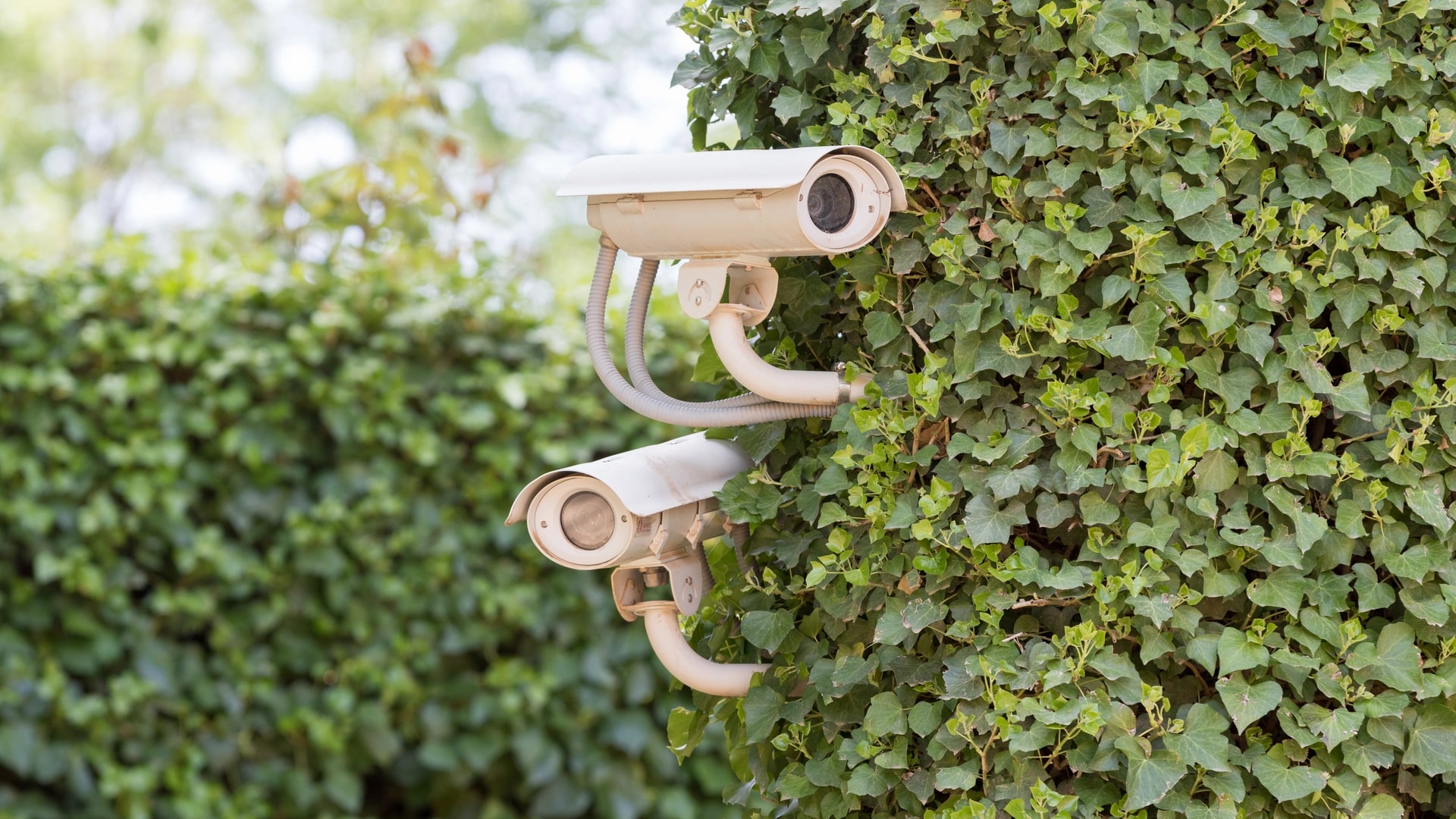
Security and access control come second. Cameras, smart locks, and video intercom are among the first features tenants and buyers notice. SIRA, Dubai's security regulator, sets a 1080p HD minimum and 31 days of stored footage for regulated premises, a sensible bar for a home too[5]. Our security and surveillance page covers the home setup, and the SIRA CCTV guide explains what applies to a private villa.
Lighting, shading, and whole-home control fill out the list. Smart lighting is expected rather than a standout on its own. Motorized blinds save roughly 15 to 20 percent on cooling load in a sun-facing room[10]. One integrated system, run from a single app on a wired KNX backbone, holds value better than a pile of disconnected gadgets. It reads as an asset to a buyer, not a project. KNX is a wired system that runs without the internet and lasts 30 years or more.
| Value driver | What the evidence shows | Source | Dubai or global |
|---|---|---|---|
| Energy and climate control | Cuts cooling costs 20 to 30 percent; DEWA says each degree above 24 C saves up to 5 percent[4][10] | Dubai Smart Home, DEWA | Dubai |
| Security and CCTV | 1080p HD minimum and 31-day retention for regulated premises; a top feature tenants notice[5] | SIRA | Dubai |
| Motorized shading | Saves about 15 to 20 percent on cooling load[10] | Dubai Smart Home | Dubai |
| Smart or green villa (overall) | 4 to 7 percent higher resale, 8 to 12 percent higher rent[1] | The National, Volpi | Dubai |
| Solar panels | Homes sold for about 4.1 percent more[7] | Zillow | Global (US) |
| Green-labelled homes | Sold for about 2.19 percent more[8] | Build It Green | Global (US) |
The energy-savings math that is actually solid
The most reliable return is the DEWA bill, not the resale price. Cooling is the biggest line on a Dubai bill in summer, so cutting it is cash in hand every month.
Quick math: a villa paying AED 4,000 a month to DEWA in summer can save AED 800 to 1,200 a month[10]. That is with smart AC and lighting control in place. Across the warm months that is roughly AED 5,000 to 8,000 a year, before you count any rent or resale premium.
That saving is the fastest and best-evidenced part of home automation ROI in the UAE. The rent premium is the largest single lever, but it sits on a single survey, so treat it as upside, not a promise. The resale premium is the slowest and least certain, banked only when you sell. Our guide on cutting your DEWA bill with a smart home runs the savings by home size. The smart home cost guide shows what the system costs to install.
Prefer a number for your own home? Book a free site visit and quote →
New build versus retrofit, and by segment
Pre-wire if you can. Pre-wiring during construction is 60 to 70 percent cheaper than retrofitting a finished home[10]. The same rent or resale premium is then captured against a much lower cost. So the return is better on an off-plan or new-build home.
The segment changes the picture too.
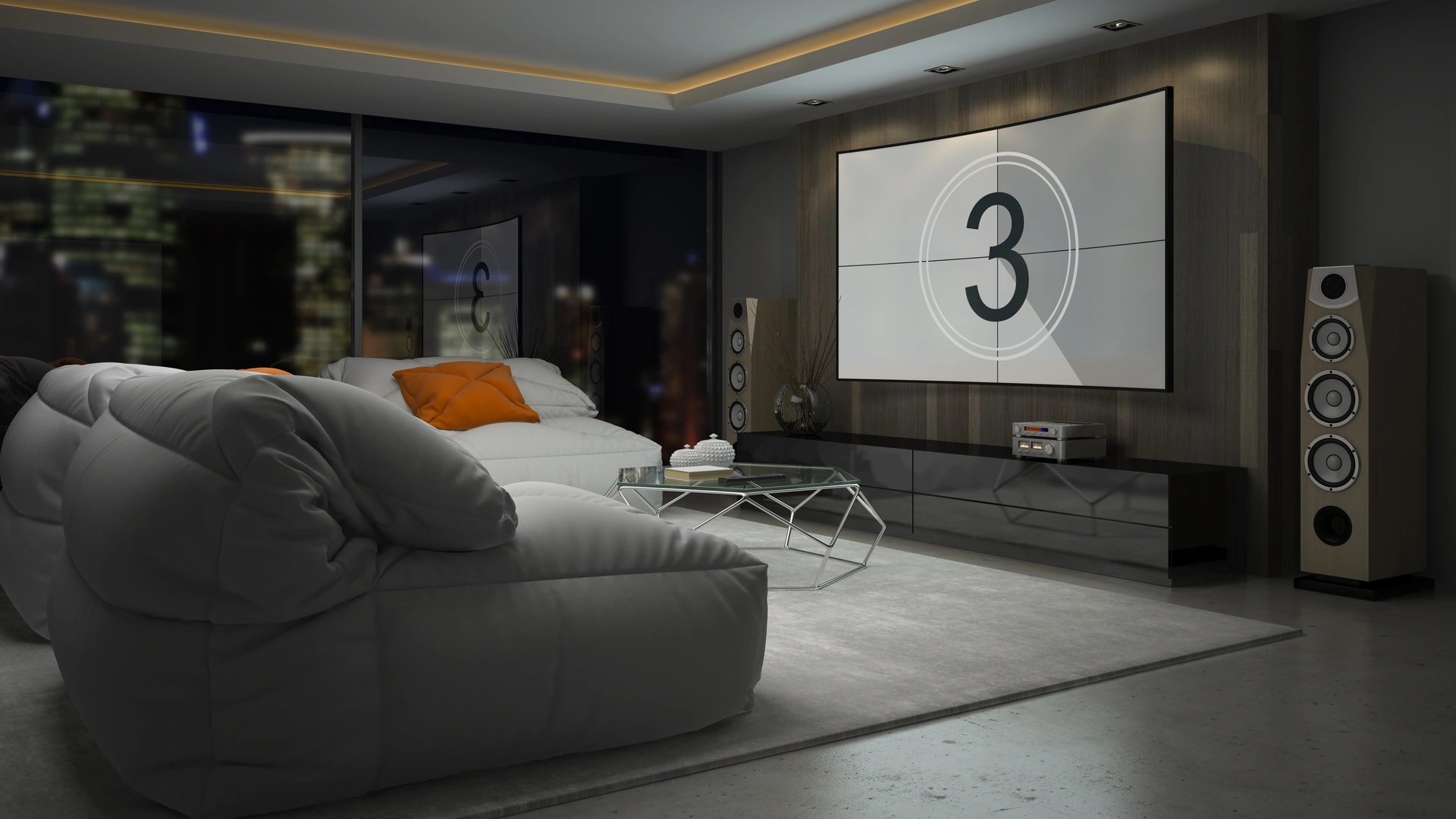
- Luxury villas (Palm Jumeirah, Emirates Hills, District One): automation is expected here, so it adds less as a standalone premium. The visible premium at this tier is the branded-residence one, which is about brand and service[6]. A dedicated home cinema and full integration are table stakes.
- Mid-tier family villas (Dubai Hills Estate, Arabian Ranches, Tilal Al Ghaf): this is where the 4 to 7 percent resale and 8 to 12 percent rent figures apply most directly[1]. It is the sweet spot for a smart villa investment in Dubai.
- Apartments (Dubai Marina, Downtown, Business Bay): no equally solid Dubai figure exists for flats. The villa numbers are villa-only, so treat any apartment premium as directional, and lean on tenant-demand features instead. Our renter smart home guide covers what works in a flat.
A practical playbook for landlords, sellers, and owners
What to install depends on why you are installing it. Start with the feature that pays back fastest, then add the ones tenants and buyers notice.
For landlords: put smart AC control first, for the DEWA saving and the lower running cost tenants care about. Then add keyless entry, cameras, and app-based lighting. These are the features a renter notices monthly, and they help the unit let faster between tenancies.
For sellers: a clean, integrated system in one app shows better than scattered gadgets. It also removes the worry that the next owner inherits a mess. Keep the logins, manuals, and app handover ready. Focus the spend on climate, security, and lighting, the three features buyers ask about.
For end-users: buy for the daily value, comfort, lower bills, and security, and treat any resale bump as a bonus. Pre-wire if you are building, and choose a wired backbone like KNX in a villa so the system lasts as long as the house.
Prefer to talk it through? Message an engineer on WhatsApp →
How Dubai Smart Home helps investors
We build systems that protect value: one app, one integrated setup, and hardware chosen to last. Our engineers are in-house and based in Dubai, we do not subcontract, and every system works in English and Arabic.
Since 2016 we have completed 100+ projects across Dubai villas and apartments, and we are rated 4.9/5 by Dubai homeowners. We map the home and plan for the DEWA saving first. Then we wire for the features that tenants and buyers pay attention to, across lighting and climate, security, and energy.
One honest note for investors. The Golden Visa property route depends only on the property's registered value, AED 2 million or more. It has nothing to do with whether the home is smart[9]. Smart features can support that value, but they do not change visa eligibility.
Thinking about a smart home to lift rent or resale on your Dubai property? Book a free site visit and quote → or message our team on WhatsApp →. Enquiries are answered within 2 hours.
Keep reading: plan the upgrade with our Dubai villa upgrade roadmap and our complete smart home guide for Dubai, or size the spend with what a smart home costs in Dubai.