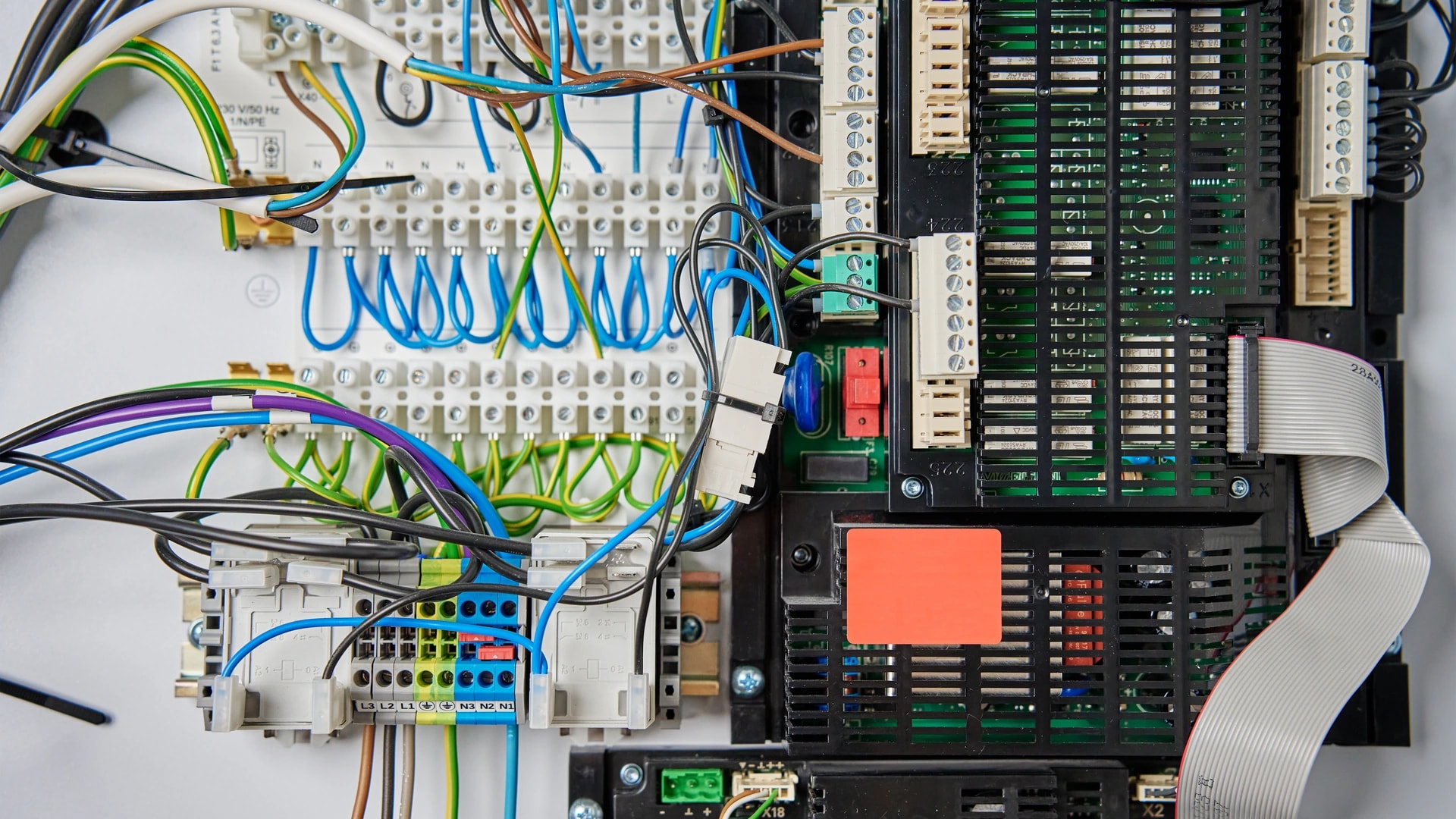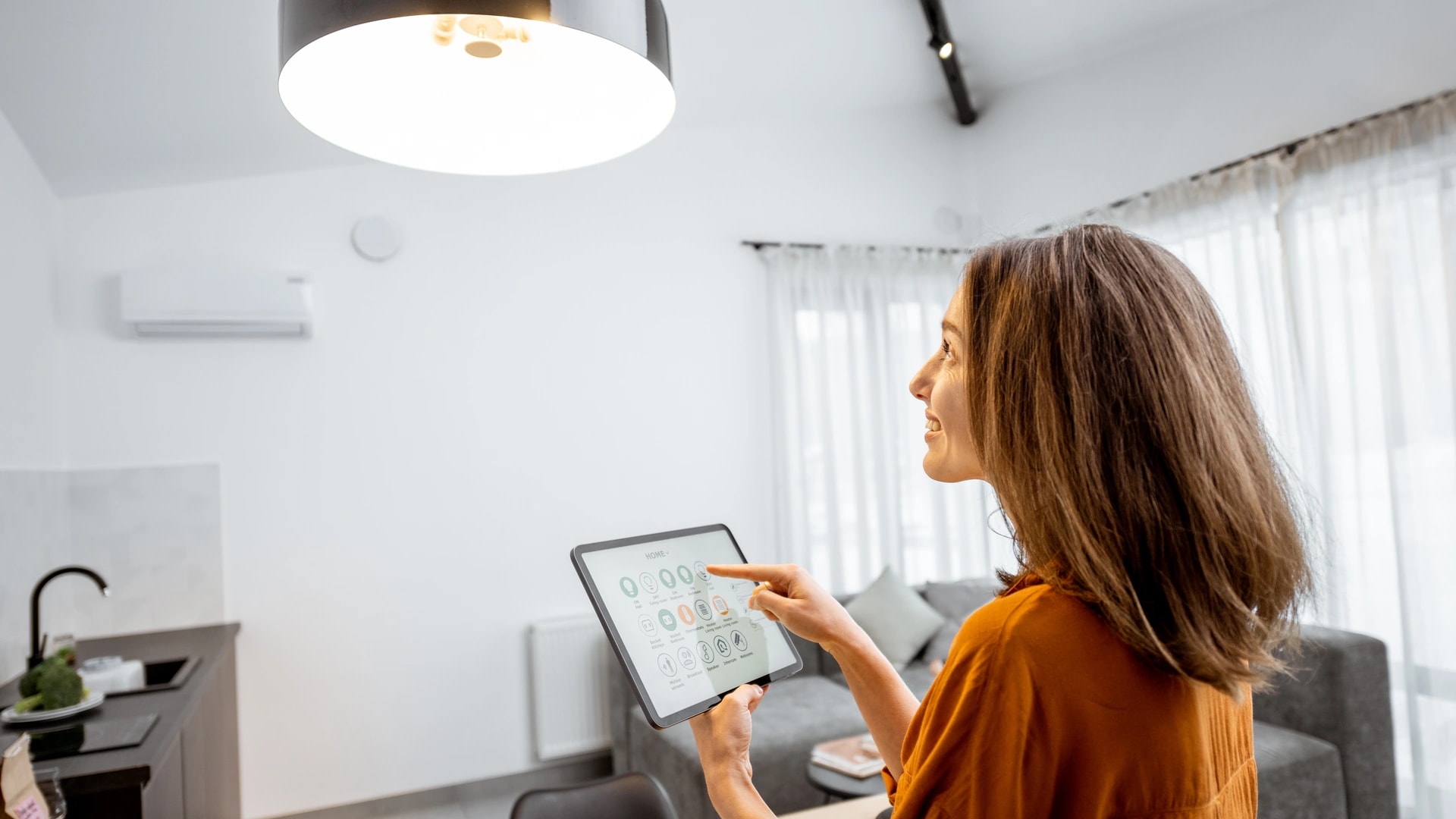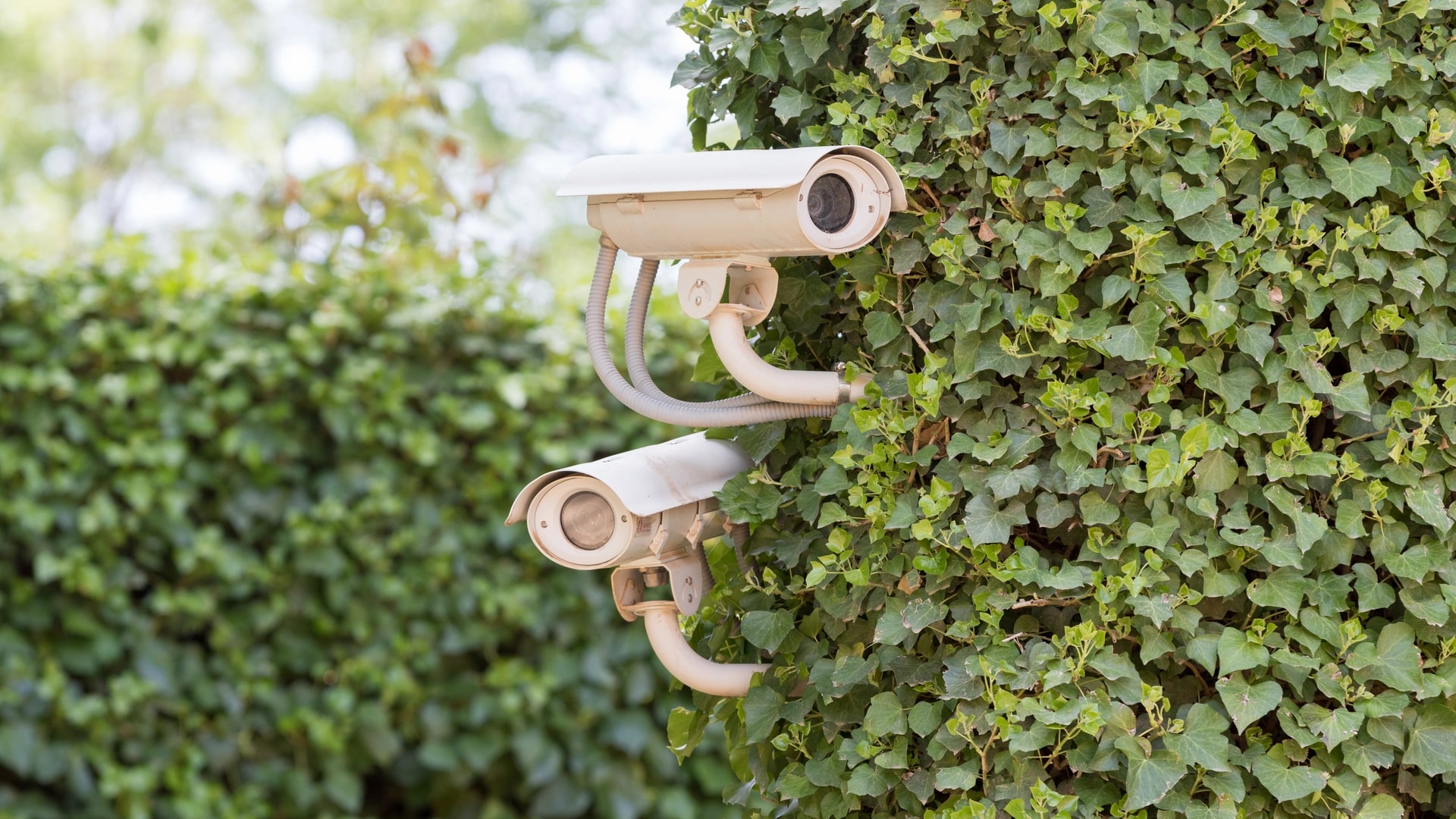
People type "Ring vs Hikvision vs Arlo vs Ajax" expecting a straight camera shootout. It is the wrong question. These four are not the same kind of product, so crowning one winner does not help you. Ring and Arlo are consumer Wi-Fi cameras. Hikvision is professional wired CCTV. Ajax is a wireless burglar alarm. They do three different jobs.
We install and support security across Dubai, from Palm Jumeirah villas to Marina apartments, and we have done so since 2016. So this guide sorts you by need first, then compares brands inside the right category. You get honest prices, the local rules that actually apply, and a clear answer for your home.
What is the best smart security system in Dubai?
There is no single best home security system in the UAE, because the right pick depends on what you need to protect. For full villa CCTV that records itself, use wired Hikvision. For one door or a rented apartment, a Ring or Arlo camera is enough. For real break-in detection, use an Ajax alarm. Each is best at a different job.
Here is the short version before the detail. If you want to see who is at the door, buy a doorbell camera. If you want every corner of a villa recorded with no monthly fee, wire professional CCTV. If you want sirens and sensors the moment someone forces a window, buy an alarm. Most real Dubai homes end up with a mix, tied into our security and surveillance setup as one system.
This piece is part of our complete smart home guide for Dubai. Read that for the full picture, and this one for security specifically.
Why this is not a fair fight
Because the four brands solve three different problems, not one. Comparing them on a single spec sheet is like comparing a car, a van, and a motorbike on top speed. The number tells you nothing about which one you actually need.
Sort the four into their real jobs first:
- Cameras that live in an app (Ring, Arlo). Consumer Wi-Fi cameras and video doorbells. Easy to fit yourself, cloud-first, and they need a paid plan for anything useful.
- Professional CCTV that records itself (Hikvision). Wired cameras plus a local recorder, called an NVR (network video recorder). This is what most Dubai villas and buildings already run. No subscription for the core recording.
- A wireless intrusion alarm (Ajax). Door, window, and motion sensors, a hub, and a siren. A few Ajax cameras exist, but the product is built to detect a break-in, not to film daily life.
What it actually is: "best security system" is really three questions. A doorbell camera, a full-home recorder, and a burglar alarm are separate buys that work well together. Once you see that, the choice gets simple.
Ring: consumer doorbell and cameras
Ring is the default video doorbell in Dubai and the easiest place to start for one door. It is a consumer Wi-Fi video doorbell and camera brand, owned by Amazon, that ties into the Ring app and Amazon Alexa. You can fit it yourself in an afternoon with no electrician.
What it actually is: a battery or low-voltage doorbell and a few small cameras, all on Wi-Fi. There is no wired PoE option, and there is no local recorder. Footage goes to the cloud.
The Dubai catch: Ring is cloud-first, so a standard Ring camera records nothing without an active plan or without internet. If the Wi-Fi drops or the plan lapses, you get no clip. And the plan pricing is odd here. Ring's own UAE plan page lists tiers in US dollars, not dirhams: Solo at $4.99 a month, Multi at $9.99, and Pro at $19.99, even though the hardware sells in dirhams on Amazon.ae[8]. Check that billing detail before you buy, since we do not convert it into an invented dirham figure.
On hardware, a Ring Video Doorbell Elite runs from about AED 1,599 on Amazon.ae, and simpler battery doorbells sit lower. Ring sells through its own UAE store and Amazon.ae, so type approval is already handled by the seller.
Best for: a single front door, a small apartment, or an Alexa household that wants the simplest possible fit and does not mind a monthly fee.
Arlo: consumer wireless cameras
Arlo is the sharper-image cousin of Ring, and the better pick if you use Apple Home. It is a consumer wireless camera brand, mostly battery-powered, that competes with Ring on cameras rather than on doorbells.
What it actually is: battery Wi-Fi cameras, with some plug-in models, and a native Apple HomeKit view that Ring does not match. Picture quality tends to run higher than Ring at the same price, up to 4K on the top Ultra models.
The Dubai catch: Arlo is also cloud-first and needs a plan for its useful features. The difference is a real local fallback. An Arlo SmartHub with a USB drive keeps recording during an internet outage, so you do not lose the footage the way you would with a standard Ring. Arlo Secure plans run about $7.99 to $17.99 a month, with a Premium tier near $24.99 that adds monitoring, again quoted in US dollars on Arlo's global pages, not a separate dirham tier.
Arlo cameras and kits list on Noon UAE and Sharaf DG at roughly AED 2,299 to 4,399 for current models, with older accessories lower. That puts Arlo above Ring on both image quality and price.
Best for: a renter or apartment owner who wants sharper video and an Apple Home view, and will pay a little more than Ring for it. Our renter smart home guide covers no-drill doorbells in more detail.
Hikvision: professional wired CCTV
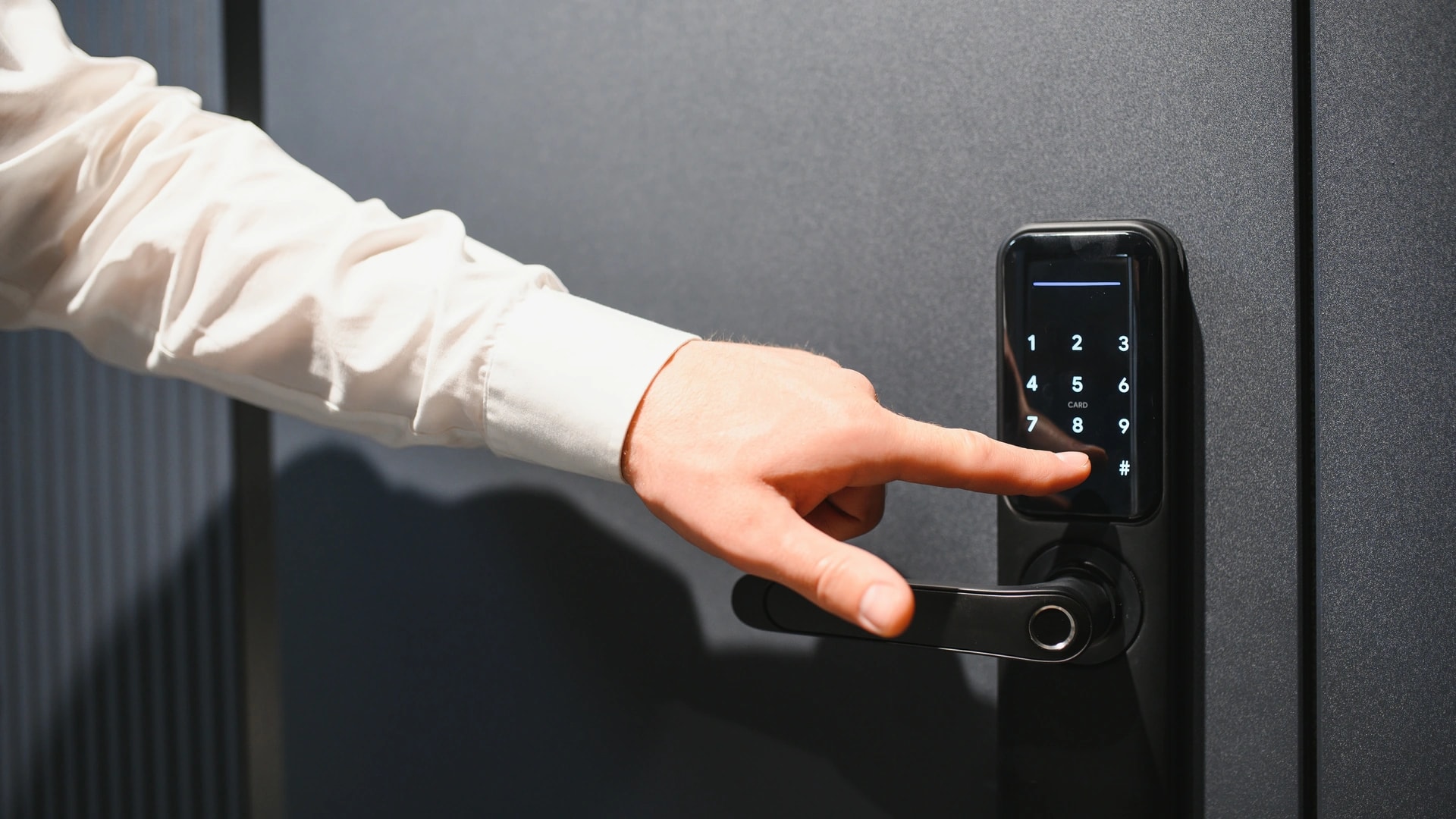
Hikvision is what most Dubai villas and buildings actually run, and it is the right answer for whole-home CCTV recording. It is professional CCTV: wired cameras plus a local NVR that stores footage on its own hard drive, with no cloud subscription needed for the core system to work.
What it actually is: wired PoE cameras. PoE means Power over Ethernet, so one cable per camera carries both power and data. No batteries to charge, and no Wi-Fi signal to lose through a wall. Wi-Fi Hikvision models exist for retrofits, but the wired NVR system is the real strength.
The recording is local by design. Footage saves to the NVR inside the house. The network is only needed to view the cameras remotely on the Hik-Connect app, not for the recording itself. So the system keeps recording even when the internet is down. An optional Hik-Connect cloud backup exists as an add-on, but you do not need it.
Quick math: a 4-camera 2MP kit with a recorder runs about AED 1,500 to 2,500, and an 8-camera 4MP NVR system about AED 4,500 to 8,000, treated as point-in-time ranges, not fixed quotes. After that you pay nothing monthly, only a new hard drive every three to five years or so under constant recording. Over five years that beats a cloud plan by a wide margin.
Best for: a villa, a building common area, or anyone who wants permanent local recording, no monthly fee, and is happy to have it wired by a professional. Hikvision has by far the deepest local dealer and installer network of the four brands.
Ajax: professional wireless alarm
Ajax is not a camera brand, and that is the point. It is a professional wireless intrusion alarm: a hub, door and window contacts, motion detectors, glass-break sensors, sirens, and key fobs, all on one app. Its job is to know the moment someone breaks in, not to film your day.
What it actually is: wireless sensors on a proprietary radio called Jeweller, talking to a central hub. It is not Wi-Fi and not Z-Wave. The Hub 2 supports up to 100 devices and can link up to 25 cameras[9]. Ajax does sell a MotionCam sensor with a small photo camera built in, but detection is the product, not video storage.
The Dubai catch: Ajax is sold through trade distributors and installers, not big-box retail, so you request a quote rather than see a shelf price. We could not verify a public dirham retail price. One UAE vendor blog estimates about AED 5,000 to 10,000 for full villa coverage, but that is a single unverified source, so treat it as rough color and ask an installer for a real number.
There is no camera-cloud subscription the way Ring and Arlo have. The optional paid layer is professional monitoring, where an alarm response center reacts when the hub reports a break-in. Reviewers across 2026 comparisons rate Ajax ahead of Hikvision's own alarm line on sensor speed, battery life, and app quality for the alarm job specifically.
Best for: a villa owner who wants a real alarm layer, sensors on every entry point and a loud siren, rather than just a camera on the porch. Pair it with smart locks for a full entry-point plan.
The full comparison
Here are the four side by side. Read down the column that matches your need, not across for a single winner. Prices are point-in-time ranges, not fixed quotes.
| System | What it is | Wired or wireless | Local or cloud | Subscription? | Best for | Approx AED |
|---|---|---|---|---|---|---|
| Ring | Consumer Wi-Fi doorbell and cameras | Wireless, no PoE | Cloud only, no local recording | Yes, for any video history (USD-priced) | One door, small apartment, Alexa homes | Doorbell from ~1,599 |
| Arlo | Consumer wireless cameras, sharper video | Wireless, no PoE | Cloud, with USB local fallback | Yes, for AI alerts and history (USD-priced) | Renters wanting image quality, Apple Home users | ~2,299 to 4,399 |
| Hikvision | Professional wired PoE CCTV plus local NVR | Wired PoE (Wi-Fi models exist) | Local first, optional paid cloud | No, not for core recording | Villas, building areas, permanent local recording | 4-cam ~1,500 to 2,500; 8-cam ~4,500 to 8,000 |
| Ajax | Professional wireless intrusion alarm | Wireless (Jeweller radio), hub-based | Local hub logic, no camera cloud | No, optional paid monitoring via installer | Villa perimeter and break-in detection | Quote only; one blog est. ~5,000 to 10,000 |
Which should you choose? By need
Match your home and your goal to the right column below. This is the fast way to skip the brand argument and get to a real answer.
| Your home or need | What to fit | Why it fits |
|---|---|---|
| Renter, apartment, one entry | Ring or Arlo doorbell or camera | No drilling, comes off clean when you move, check the hallway view first |
| Owner, apartment | Ring or Arlo, plus a local-recording indoor camera | Keeps footage in the home if subscription cost or privacy matters |
| Villa, full coverage | Wired PoE Hikvision CCTV | Wi-Fi struggles through concrete at range; wired records the whole perimeter |
| Villa plus gate and perimeter | Hikvision for recording, Ajax for the alarm | Cameras record, sensors detect the break-in; two layers, not one brand |
| Want someone watching | Ajax monitoring or Dubai Police SHS | A response layer on top of the cameras you already own |
Notice the villa rows use two brands. A camera and an alarm are separate layers. Our villa owners guide maps this across a full perimeter.
Local recording versus cloud subscription
This is the split that costs or saves you the most over time. Cloud cameras (Ring, Arlo) send footage to the maker's servers, which is handy for remote viewing but useless without a plan or internet. Local recording (a Hikvision NVR) keeps footage inside the house, with no monthly fee and no internet needed for the recording itself.
The trade-off is real on both sides. Cloud is easy to set up and needs no wiring, but you rent your own footage, and the useful features stop the day a plan lapses. Local costs more up front and needs cabling, but you own the recording and pay nothing monthly.
Quick math: a Ring Multi plan at $9.99 a month is roughly AED 440 a year, every year. A Hikvision NVR kit is a one-time AED 1,500 to 8,000, then only a hard drive every three to five years. Over five years the cloud plan alone runs past AED 2,000 with nothing owned at the end. For a whole villa, local wins on cost and on control.
A cloud camera rents you access to your own footage. A local recorder means the video is yours, in your house, with no monthly bill and nothing lost when the internet drops.
Want a real number for your home? Book a free site visit and quote →
Do you need SIRA approval for home security?
No. A private villa or apartment used only as a home does not need SIRA registration, approval, or a permit for its own cameras, for any of these four brands[1]. SIRA is Dubai's security regulator. Its rules target commercial premises and shared building infrastructure, enforced against the developer or owners' association, not the individual homeowner.
The "4K is now mandatory" claim you may have read is a myth. The verified minimum in the primary legal text, Administrative Resolution No. 13 of 2025, is 1080p Full HD, and it applies to commercial premises only[2]. The same 31-day footage retention rule is commercial too. No fixed legal minimum exists for a private home.
The Dubai catch: the rule that actually bites is your community's, not SIRA's. Developers set camera placement rules that get enforced day to day, which we cover next. Still favor 1080p or better and two to four weeks of storage, not because the law forces it on a home, but because that is what actually resolves a face or a plate. Our SIRA CCTV requirements guide explains placement and the rules in full, and it is the piece to read before you mount anything.
Privacy and the law in Dubai
Point your cameras at your own property, and you are fine. The UAE data protection law, the PDPL, requires consent to capture identifiable people, faces, voices, and biometric data, which is exactly what any of these cameras record[5]. It is device-agnostic, so it applies the same to a Ring doorbell, a Hikvision camera, and Ajax's MotionCam sensor.
The practical rule is simple. Do not aim a lens at a neighbor's window, garden, or balcony, at a shared hallway, or at any space where people expect privacy. PDPL fines run from AED 50,000 to 5,000,000 per violation, but a homeowner's realistic exposure from one misaimed camera is a neighbor dispute or a request to adjust the angle, not a large fine, as long as the camera stays on your own property.
Common mistake: mounting a hallway-facing doorbell in an apartment without sign-off. If a doorbell camera captures a shared corridor or other tenants' doors, most communities and PDPL both expect building-management approval, not just a landlord's yes. An indoor-facing camera, or a doorbell limited to your own threshold, sidesteps the question. See our Dubai smart home laws guide for the consent and community-NOC detail.
The Dubai realities: heat, concrete, and range
Dubai adds three physical problems that generic reviews ignore: heat, concrete, and distance. Get these right and any brand behaves; get them wrong and you blame the wrong thing.
Heat and the IP rating. Dubai summer air regularly tops 45C, and a camera in west-facing afternoon sun sits hotter still. Many consumer cameras are rated only to 40 to 50C. So check the actual operating-temperature spec, not just a "weatherproof" label, and look for an IP66 or IP67 rating on anything mounted outdoors. That rating means it resists dust and driving water. Type approval from TDRA is already handled when you buy through a UAE seller like Amazon.ae, Noon, or an authorized distributor[6]. Only a device hand-carried from abroad needs a customs step.
Concrete and Wi-Fi range. Dubai's reinforced-concrete walls block Wi-Fi far more than the timber-frame homes these brands were designed around. A battery Wi-Fi camera at a back gate or far garden wall drops and lags, especially the battery-saving models that only wake now and then. A 4,000 square foot villa often needs three Wi-Fi access points just to keep one far camera online.
The Dubai catch: this is the real reason villa installs favor wired PoE. One or two Ring or Arlo cameras near the router are fine. A full villa perimeter is a strong case for wired Hikvision, or at least a mesh network with wired backhaul between nodes, not more Wi-Fi cameras stacked on a weak signal. Our Wi-Fi versus wired protocols guide goes deeper, and good home networking is what keeps any camera online.
Monitoring: who is watching?
Cameras and alarms are only as fast as the person who sees the alert. There are three ways to answer "who is watching," and they layer on top of any hardware you already own.
- Self-monitored. You get the alert and you decide what to do. This is the default for Ring, Arlo, Hikvision, and an Ajax system with no monitoring add-on. Free, but only as fast as your attention, and no help while you are asleep or on a flight.
- Ajax professional monitoring. A private alarm response center receives the hub's alert, checks it, and can send a security response or call the police for you. It is sold per installer contract, with no flat published UAE price, so ask for a quote.
- Dubai Police Smart Home Security (SHS). A direct police-linked service from Dubai Police, from about AED 147 a month on a 36-month plan, including installation and five years of maintenance[3]. Alerts are checked by an e& command center first, then routed to Dubai Police, which cuts false callouts.
Here is the honest comparison across the paid options.
| Option | Who responds | Direct police link | Ongoing cost | Best for |
|---|---|---|---|---|
| Ajax, self-monitored | You | No, you call yourself | None beyond hardware | A hands-on owner who wants no monthly fee |
| Ajax plus pro monitoring | A private response center | Only if the center escalates | Per contract (quote) | A private security response without calling police yourself |
| Dubai Police SHS | e& center, then Dubai Police | Yes, built in | From AED 147/month | The most official link, useful when the home sits empty |
Dubai Police markets SHS specifically for residents who travel for weeks over summer. None of these force you to drop your existing cameras. They sit on top as a response layer.
Securing the security system itself
A security camera you never harden can become the way in. The weak point is almost never the hardware; it is the account and the password. Get three basics right and you close the common gaps.
- Change every default password. Cheap and even professional cameras ship with a known default login. Documented research has flagged Hikvision units left on default credentials, so change them on day one.
- Turn on two-factor authentication (2FA). This is the single biggest fix. The FTC's case against Ring documented account takeovers by password guessing, 55,000 customers affected across 2019 and 2020, and $5.6 million in refunds sent to customers in 2024[7]. The failure was account security, not a hardware defect, and a unique password plus 2FA fixes it.
- Put cameras on a separate network. A separate Wi-Fi network or VLAN for cameras and other smart devices limits what a hacked camera could reach.
Common mistake: buying a cheap, no-name marketplace camera to save money. Unbranded cameras with no update track record are the highest-risk category in this whole space, including cameras found streaming over unencrypted connections. A named brand that you keep patched is the safer buy. Our guide to securing your smart home from hackers walks through the full checklist.
Common mistakes to avoid
Most Dubai security regrets trace to a handful of avoidable errors. Skip these and you skip most of the pain.
- Wi-Fi cameras for a big villa. Battery Wi-Fi cameras (Ring, Arlo) drop at range through concrete. Use wired PoE for a full perimeter, and blame the physics, not the brand.
- No local recording. A cloud-only setup saves nothing if the plan lapses or the internet drops. Keep at least one local recorder for footage that matters.
- Ignoring community placement rules. Nakheel allows cameras only on the inner face of your boundary wall, with no view of a neighbor's plot[4]. DAMAC reviews any communal-area view. Check before you drill, or expect to reposition.
- Believing the 4K myth. No home law requires 4K. 1080p is the verified commercial minimum, so do not overspend on resolution you do not need[2].
- Subscription lock-in. Ring and Arlo's best features stop the moment a plan lapses. Know that before you rely on them.
- Four apps that do not talk. Ring for the door, Arlo for the garden, Hikvision for the driveway, Ajax for the alarm, means four apps with no cross-trigger. A door sensor tripping does not tell a camera to record unless someone ties them together.
How Dubai Smart Home does integrated security
We build the four jobs into one system, run from one app. That means cameras, an alarm, and access control set up to work together, so a triggered sensor can tell a camera to record and a gate to lock, instead of four separate apps that ignore each other. Our security and surveillance service starts from AED 15,000 installed.
That price is not the same category as a DIY kit. It is a fully installed, integrated package: professional design, cabling, 1080p Full HD cameras with 31 days of storage, smart locks, and alarm sensors, plus setup and one app. A single Ring doorbell or a Hikvision kit is hardware only. So we keep the two prices separate, and we are honest that DIY hardware is cheaper if you are happy to manage it yourself.
Since 2016 we have completed 100+ projects across Dubai, our engineers are in-house with no subcontracting, and every system works in English and Arabic[10]. We are rated 4.9/5 by Dubai homeowners, and we tie in the gate and access control so the whole entry is one plan. Our buyer's guide covers the right order to buy in.
Want the right security setup for your home, planned around your community's rules? Book a free site visit and quote → or message our team on WhatsApp →. Enquiries are answered within 2 hours. You can also start from our homepage, Dubai Smart Home.