Your DEWA bill peaks in the Dubai summer, from June to September, and cooling is the reason. DEWA is the Dubai Electricity and Water Authority, the body that bills you for power and water. In the Dubai homes our team has worked on since 2016, smart AC and lighting control cut cooling costs by 20 to 30 percent[12]. A villa paying AED 4,000 a month in peak summer saves AED 800 to 1,200.
This guide runs on the calendar, not on a shopping list. First the checks you do in March and April, before the heat lands. Then the playbook for the four hardest months, plus how to read a bill spike. For the year-round mechanics, lever by lever, read our guide on how to reduce your DEWA bill with a smart home.
Why does your DEWA bill jump every June in Dubai?
Your DEWA bill jumps every June because your air conditioning stops switching off. Cooling is commonly estimated at 60 to 75 percent of a Dubai home's summer electricity use, and from June it runs close to non-stop. Lights, the fridge and chargers are small next to that.
The heat also builds faster than most people plan for. May is warm, June is hot, and by July a west-facing living room fights 45°C outside all afternoon. Your AC does not only run longer. It works harder every hour, because the gap between the outside air and your setpoint is wider.
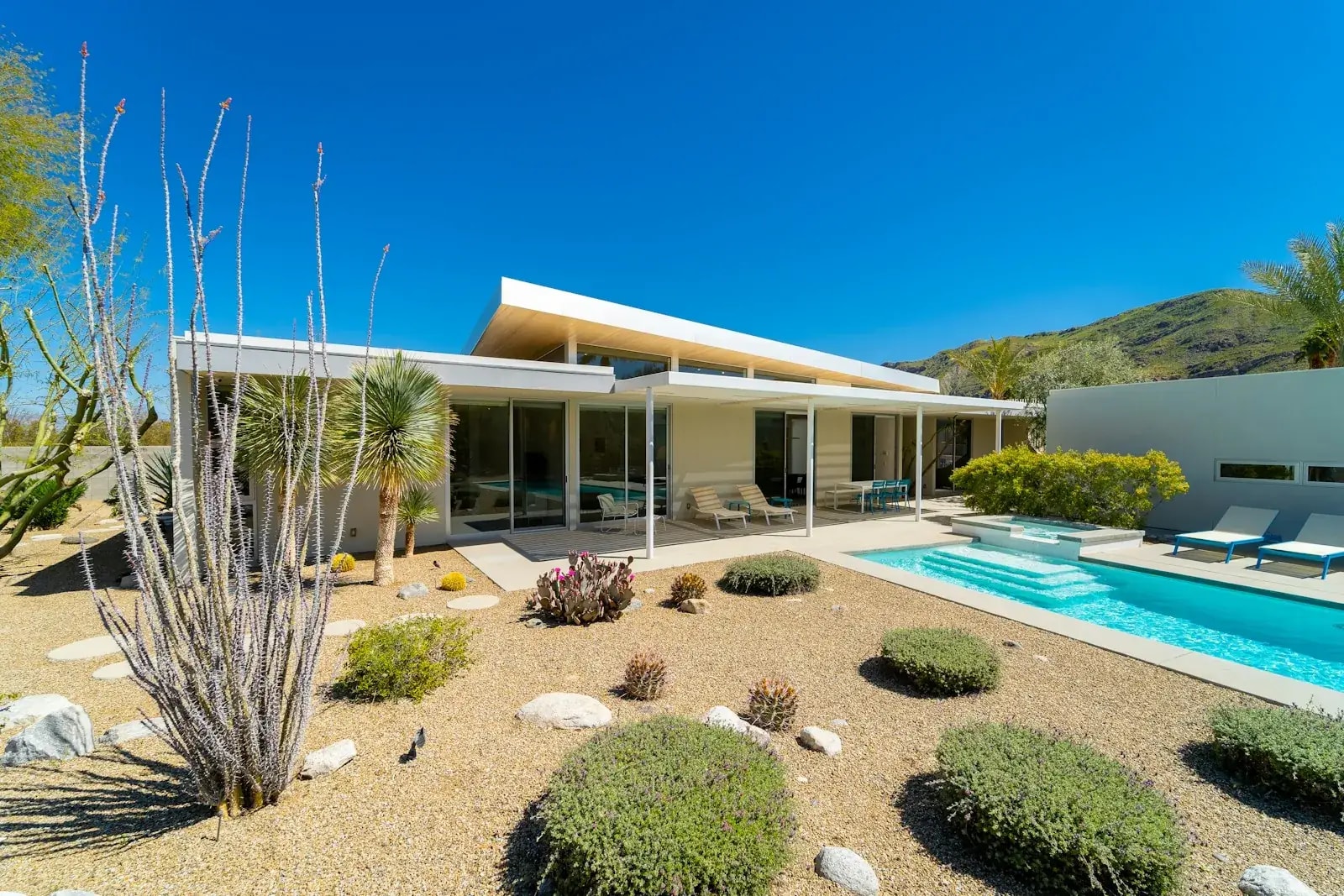
Villas feel this hardest. More AC units, more glass, and often a pool pump and garden irrigation line as well. An apartment with two split units has a lower ceiling on how bad the number can get.
Common mistake: waiting for the July bill before reacting. By the time that number lands, June is already paid for at whatever settings you were running. Homes that hold the bill down set their schedules in spring and leave them alone.
DEWA's own guidance starts in the same place. Set the AC to 24°C, and each degree above that can save up to 5 percent on AC energy use[2]. That one number sits behind almost everything below.
How does the slab tariff make a hot month cost even more?
A hot month costs more per unit because DEWA charges more as your usage climbs. The residential slab tariff starts at 23 fils per kWh for the first 2,000 kWh a month, then rises through 28 and 32 to 38 fils per kWh in the top band. A 6 fils fuel surcharge and 5 percent VAT sit on top[3].
Quick math: summer pushes most villas into the higher bands. So the units you cut in July are your most expensive units, not your average ones. Cut enough and you drop a band, and the units you still use get cheaper too.
That is the whole mechanism, and it is why a 20 percent cut in usage often saves more than 20 percent in AED. We are not going to re-derive it here. The full band-by-band breakdown lives in our DEWA bill reduction guide.
Which charges on your bill never go down?
The housing fee, knowledge fee and innovation fee never go down, no matter what you use. That is the honest answer to "why did my bill not drop while I was away." A DEWA bill is not only consumption; part of it is flat whether the house is full or empty.
- Housing fee: 5 percent of your Ejari registered annual rent, collected by DEWA in 12 monthly instalments on behalf of Dubai Municipality[11].
- Knowledge fee: a flat AED 10 a month[11].
- Innovation fee: a flat AED 10 a month[11].
The fuel surcharge and 5 percent VAT sit alongside them, and those do move with usage. The three fees above do not.
Real talk: a tenant on AED 150,000 annual rent carries about AED 625 a month in housing fee before a single unit of electricity is counted. No thermostat setting touches that. Knowing it stops you chasing a saving that was never on the table, and it tells you what your real, controllable number is.
If a summer bill has already landed badly, DEWA offers a 0 percent instalment plan that spreads it over 3 to 12 months[9]. That is a payment tool rather than a saving, but it is a legitimate one.
What should you check before summer starts?
Book the AC service in March or April, then work through the list below before the heat lands. Technicians are booked solid by June, and a breakdown in July means days in a hot house waiting for a slot.
None of this is glamorous. It is the cheapest part of the whole guide, and it is the part most homes skip.
| Check | When to do it | Why it matters |
|---|---|---|
| Full AC service by a technician | March to April | Coils, refrigerant and fan condition set how hard the unit works all summer |
| Clean or replace filters | Before June, then every 2 to 4 weeks | Dust clogs filters fast in Dubai, and a choked filter makes the unit run longer for the same cooling |
| Condensate drain check | March to April | A blocked drain causes water damage and mould once humidity climbs |
| Door, window and glass seals | April to May | Gaps let cooled air out and 45°C air in, so the AC never catches up |
| Set AC schedules and setpoints | April to May | Locks in 24°C and setback hours before habit takes over in the heat |
| Set shading schedules | April to May | Blinds close on the sun side at midday without anyone remembering |
| Test Away Mode and leak sensors | Before your first trip | Confirms alerts actually reach you before the house is empty for weeks |
Do this first: the seal check costs nothing. Run your hand around door frames, window edges and sliding glass doors on a hot afternoon. Where you feel warm air, you are paying for cooling that leaves the room.
Older villas gain the most here. Homes built to Dubai Municipality's Al Sa'fat green building rules start from a better insulation baseline, since those rules set energy and insulation requirements for new buildings[10]. Al Sa'fat does not oblige you to retrofit an existing home, so on an older property the seal and insulation check is on you.
Which actions cut your summer DEWA bill the most, in order?
Control the AC first, shade the glass second, then handle the big standalone loads. The table below is ordered by how much each move shifts a Dubai summer bill, so you can stop at whatever point your budget runs out and still have taken the biggest wins.
| Action | Typical impact | Best for | Read more |
|---|---|---|---|
| AC scheduling and setback when out | Largest single lever on a summer bill | Every home, villa or apartment | Automating AC in Dubai |
| Zone and room-level control | High in multi-room villas | Villas with 4+ AC units and unused rooms | Automating AC in Dubai |
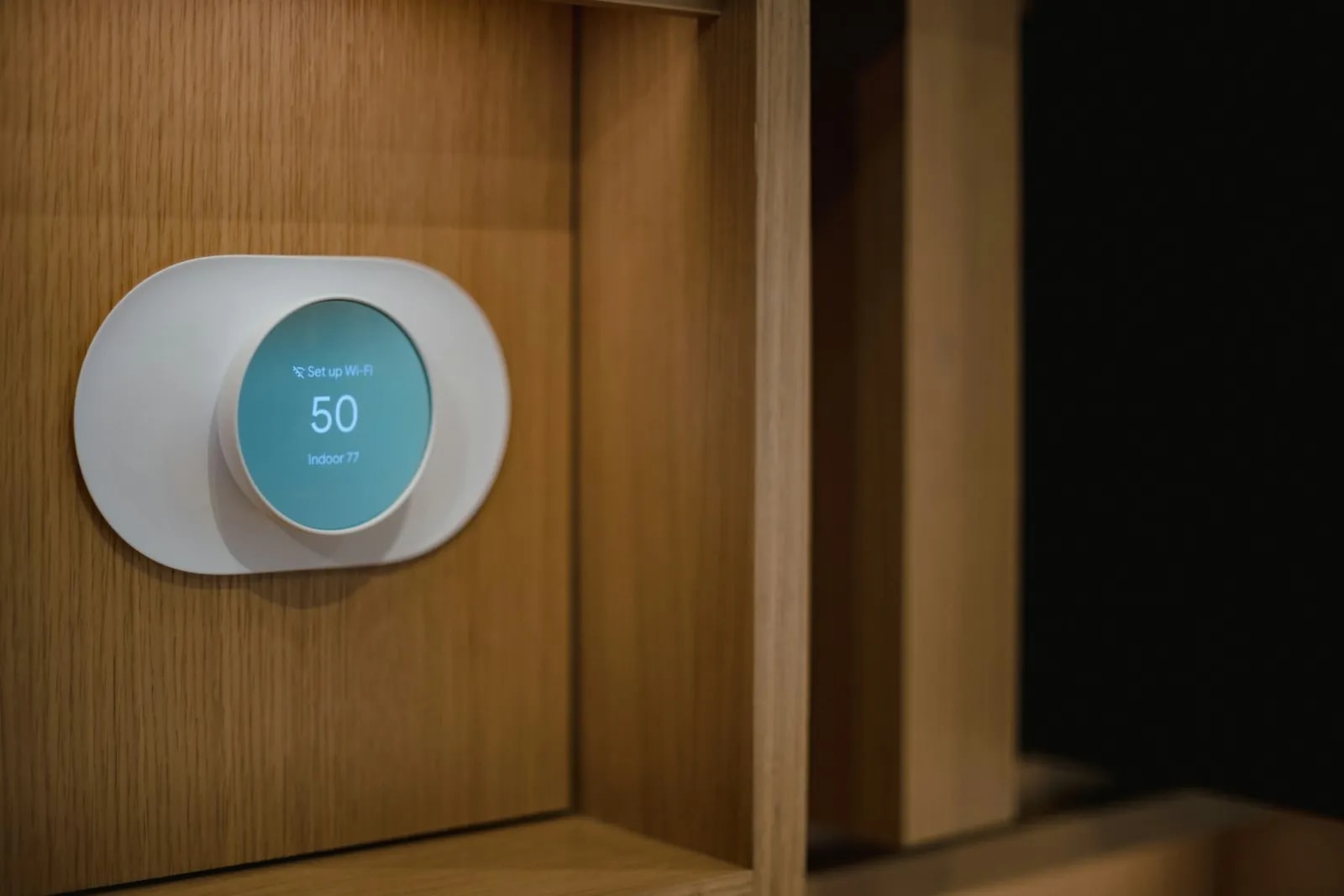
| Holding 24°C with a smart thermostat | Up to 5% of AC use per degree above 24°C[2] | Homes that drift to 20 to 22°C out of habit | Best smart thermostats in Dubai |
| Motorized shading on sun-facing glass | 15 to 20% of cooling[12] | West and south glass, double-height windows | Smart curtains and blinds |
| Water heater and pool pump scheduling | Moderate, and eases the 12pm to 6pm grid peak[4] | Villas with a pool and multiple geysers | Outdoor smart home in Dubai |
| Smart plugs on standby loads | Small, but cheap and instant | TVs, set-top boxes, chargers left on all summer | DEWA bill reduction guide |
| Leak and water sensors | Prevents shock bills rather than trimming usage | Homes empty for weeks in July and August | DEWA bill reduction guide |
| Door and window sensors that pause the AC | Closes a common, invisible waste gap | Homes with kids, staff or a garden door in use | Automating AC in Dubai |
The last row surprises people. A door left open in August means the AC chases a setpoint it can never reach, pulling 45°C air in the whole time. A simple contact sensor that pauses the unit or pings your phone closes that gap for a small amount of money. See how we set up smart lighting and climate control.
Want the order applied to your own home? Book a free site visit or message us on WhatsApp.
Does one smart thermostat work for every AC type in Dubai?
No. Dubai homes run three different cooling setups, and each needs a different class of control. Buying the wrong device is the most common way people waste money on this.
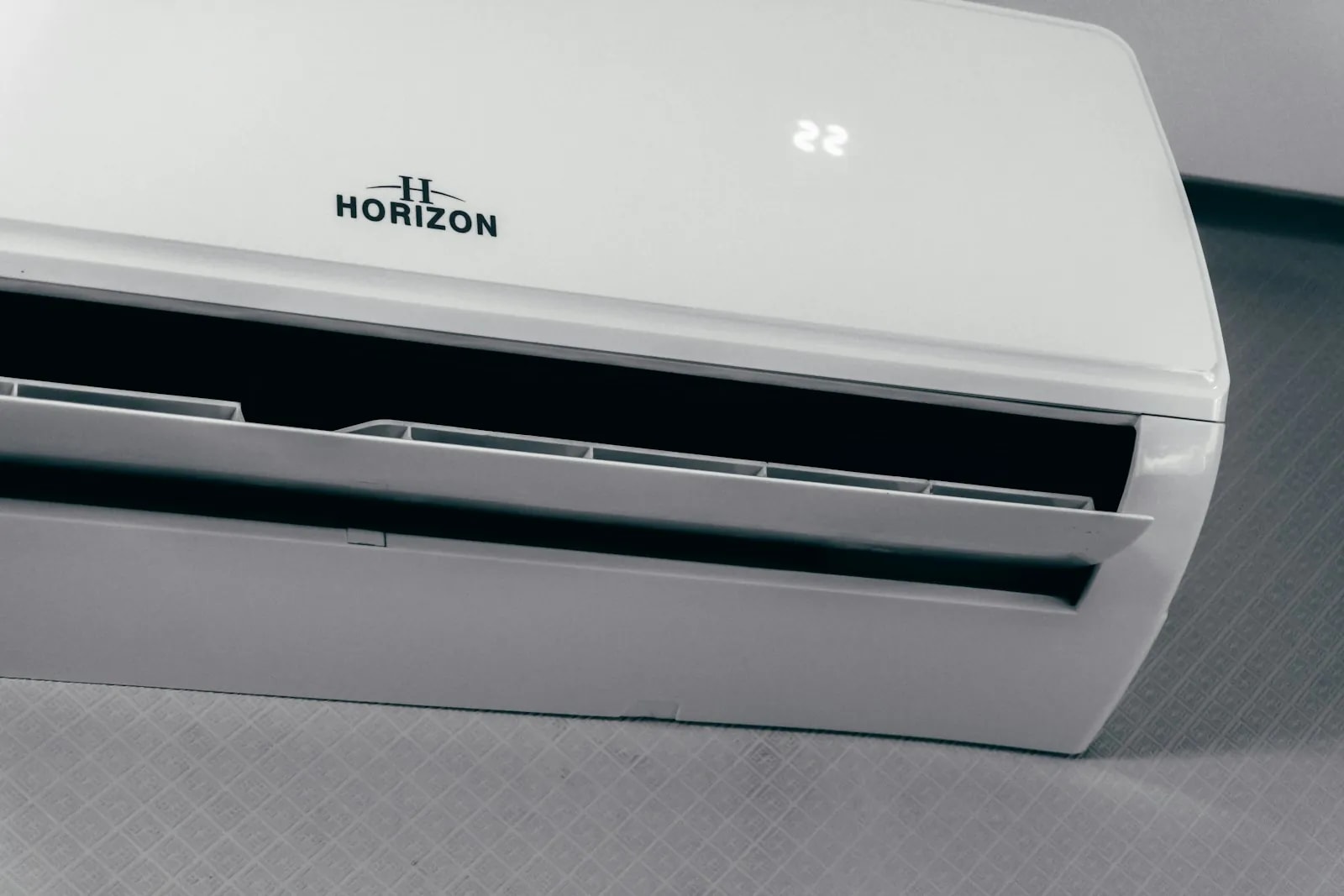
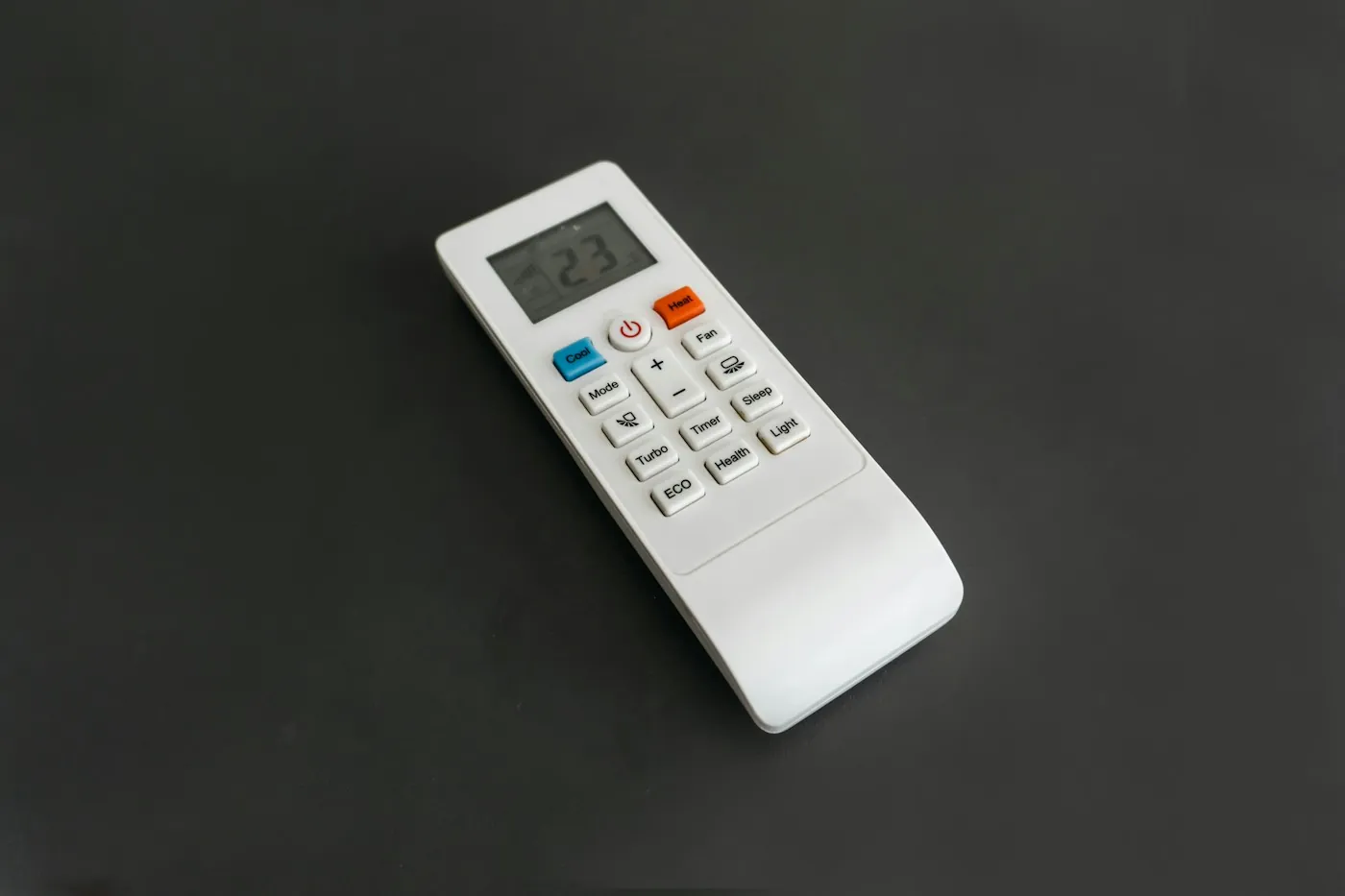
Split units. The wall-mounted boxes in most apartments and older villas run on infrared remotes. A smart infrared controller learns the remote codes and gives you schedules and app control without touching the wiring, which suits renters.
Ducted and central AC. Villas with ceiling vents usually have a wired wall thermostat. That gets swapped for a smart thermostat, and zone dampers let each area hold its own temperature. This is where the biggest villa savings sit.
District cooling. Apartments on Empower, Emicool or Tabreed have a fan coil unit fed by chilled water, not a compressor. Different hardware, different billing, covered further down.
DEWA recommends a programmable or smart thermostat to cut AC run-time, and notes that replacing a unit more than ten years old with a high-rated model can save up to 25 percent more on cooling energy[1]. That second part is hardware, not automation. A thermostat schedules an old unit better, it does not make it efficient.
For the step-by-step setup on each type, read automating your air conditioning in Dubai. For device choice and prices, see the best smart thermostats in Dubai.
Do motorized blinds block enough heat in July and August?
Yes. Automated blinds and curtains cut cooling costs by roughly 15 to 20 percent by stopping sunlight before it heats the room[12]. Keeping heat out is cheaper than pulling it back out with more AC.
The rule is simple in a Dubai summer. Blinds close on whichever side the sun is hitting during the harsh middle of the day, then reopen once it moves off. DEWA lists curtains, blinds and shades among its own cooling tips for exactly this reason[1].
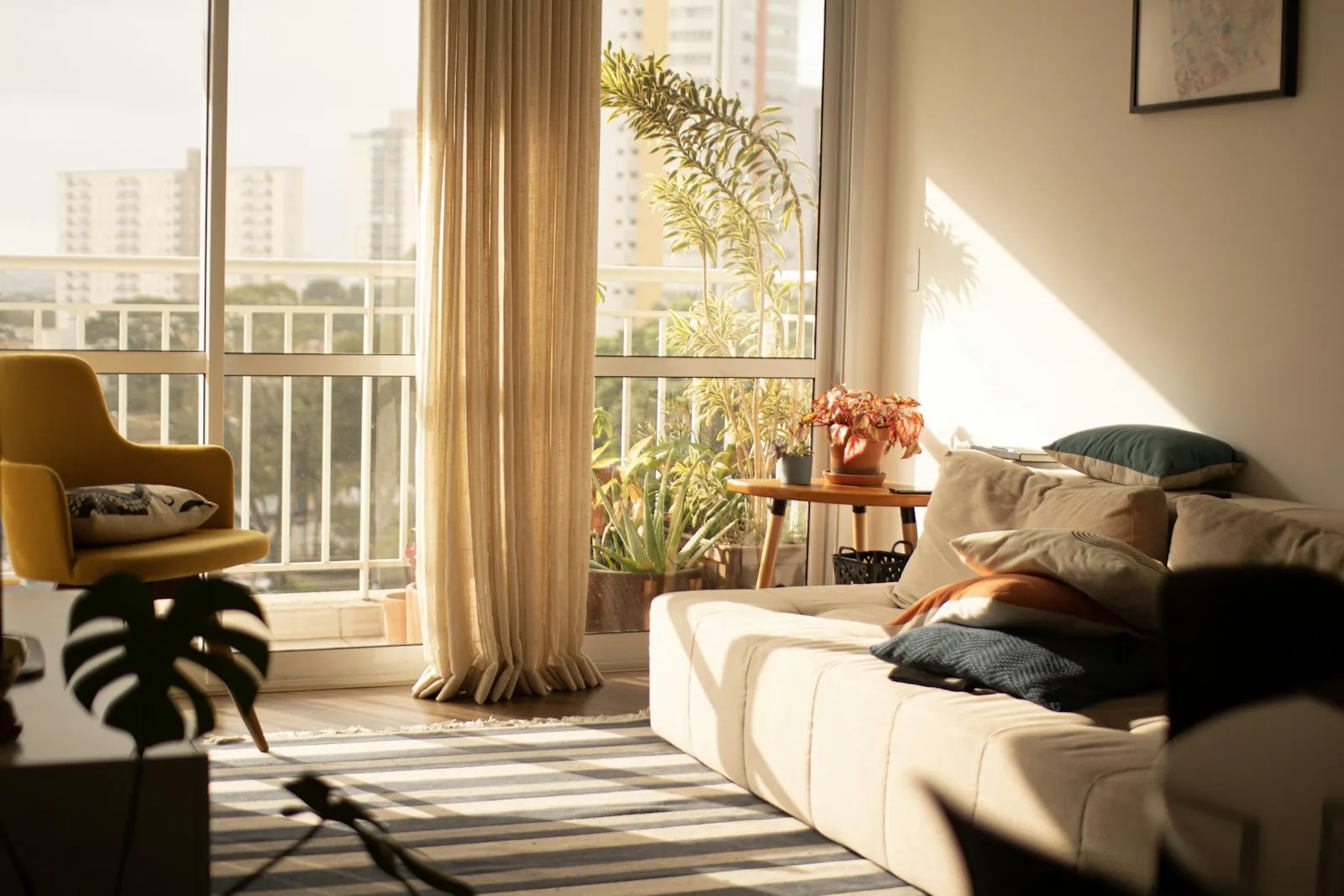
West-facing glass is the worst offender. Late afternoon sun hits a living room at the same time everybody comes home and turns the AC down, so two costs stack in the same hour. A schedule that closes that side by 2pm removes the cause instead of fighting the symptom.
Smart AC and lighting control cut cooling costs 20 to 30 percent. Motorized shading adds roughly 15 to 20 percent on top by keeping the sun off the glass.
We specify Somfy and Lutron motors for motorized curtains and blinds, and once fitted they run on a sun schedule rather than a person remembering. For fabric choice, blackout versus solar screen, and pricing, read our guide to smart curtains and blinds in Dubai.
What about pool pumps, water heaters and other big loads?
A pool pump is often the largest electrical load in a Dubai villa after the AC itself, so it deserves a schedule. Running it on fixed hours, or on a variable-speed setting, beats leaving it circulating all day because nobody set it.
Water heating is a smaller line than cooling, and in a Dubai summer the tank water is already warm. Scheduling geysers so they are not heating at 3pm on a July afternoon costs nothing to set up. DEWA flags 12pm to 6pm as the summer peak-load window and asks households to shift flexible use away from it[4].
Real talk: that shift is a conservation request, not a price change. Dubai has no residential time-of-use tariff, so moving the pool pump to 9pm does not lower the rate you pay per unit. It helps the grid, and it usually shortens run-time because a schedule replaces a guess.
Garden irrigation is the other summer trap. A stuck valve or a pool auto-fill fault can run for weeks unnoticed while everyone assumes the extra cost is just the heat. Pool timers, irrigation control and outdoor lighting all sit under pool and outdoor automation, and the detail is in our outdoor smart home guide.
What are DEWA's free summer tools, and what is new for 2026?
Three free tools come with your DEWA smart meter, and none of them cost a dirham to switch on.
- Smart Living dashboard: shows your daily and monthly electricity and water use, so you can compare this July against last July[5].
- Away Mode: set a date range before you travel and DEWA emails you daily or weekly consumption reports, so a stuck AC or a leak shows up within days instead of on next month's bill[5][8].
- High Water Usage Alert: flags unusual water use detected at the meter, which is how you catch a garden valve or pool top-up running for a month[5].
New for 2026, DEWA ran a summer campaign called Enjoy Sustainable Vibes This Summer, urging Dubai households to run a set of checks before travelling[6]. The checklist is worth following even if you are not going anywhere.
- Set the AC to around 26 to 27°C while away rather than switching it off, to limit stale air, mould and musty odour[7].
- Turn off the main water supply before you leave[6].
- Book a maintenance inspection by a qualified technician before departure[6].
- Unplug appliances instead of leaving them on standby[6].
- Clean the AC filters before you travel[6].
- Keep doors and windows firmly closed so the AC is not fighting a gap nobody is home to notice[6].
- Switch off interior lights and put garden and exterior floodlights on timers[6].
- Activate Away Mode for the consumption reports[6].
Travellers who forget are reportedly sent a text reminder about Away Mode at the airport[7]. A smart home does most of this list on its own: schedules hold 26°C, lights go off, exterior lighting runs on a timer, and a leak sensor watches the water line. That is the point of setting it up in April rather than the night before a flight.
How do you tell if a high summer DEWA bill is normal or a real problem?
Compare the month to the same month last year on the Smart Living dashboard before you assume anything[5]. July against July tells you something. July against May tells you only that it got hot.
A normal summer rise is gradual. It tracks the weather, it shows up across the whole month, and last year's graph looks similar. That is cooling doing its job in a Dubai summer, and the fix is the action list above.
A real problem looks different. Watch for these patterns:
- A step change, not a slope. Usage jumps on a specific date and stays high. Something switched on and never switched off.
- High overnight use. Consumption that never drops in the small hours often means an AC unit that is not cycling off, or a pump running non-stop.
- Water use up with nobody home. That is a leak, an irrigation valve, or a pool auto-fill fault, and the High Water Usage Alert should catch it[5].
- A jump with no weather to explain it. If October reads like August, look at the equipment, not the season.
From our projects: the most common culprit in a villa is one AC unit with a failed sensor or a blocked coil, running flat out to reach a temperature it cannot hit. It does not feel broken because the house is still cool. It just costs double.
DEWA does not itemise "cooling" as a line on your bill, so the dashboard graph is the closest thing you have to a diagnosis. Compare a hot month with a mild one, and the gap is overwhelmingly the AC.
Three summer myths that quietly cost you money
These three come up on every Dubai site visit, and each one costs real money or real damage.
Myth 1: switch the AC off completely when the house is empty. In a sealed Dubai property in August, humidity does the damage. Mould and a musty smell can take hold within days, and you come home to a repair bill instead of a saving. DEWA's own pre-travel guidance is to set around 26 to 27°C, not off[7]. A setback, not a shutdown.
Myth 2: setting the thermostat to 16°C cools the room faster. It does not. Most AC units cool at a fixed rate, so the setpoint decides when the unit stops, not how fast it works. All 16°C buys you is a system that keeps running long after the room is already comfortable, at the most expensive tariff band of the year[3].
Myth 3: a smart thermostat will fix a room that is always hot. It will not. A thermostat schedules and holds a setpoint. It cannot compensate for thin insulation, an undersized or ageing AC unit, or unshaded west-facing glass. Fix the physical cause first, then automate it. Recommending a thermostat for that room would be easy, and it would not work.
What is a realistic saving for your home this summer?
A Dubai villa paying AED 4,000 a month to DEWA in peak summer saves AED 800 to 1,200 a month with smart AC and lighting control[12]. That is the honest range from our own projects, not a best case.
Scale it to your own bill. Villa summer bills commonly run AED 1,500 to 3,500 or more a month, and a mid-size apartment in the same season runs roughly AED 700 to 1,100. Apply 20 to 30 percent to the cooling portion, then remember the fixed fees from earlier do not move at all.
The saving is also seasonal, which is the part people forget when they judge a payback period. Here is how a Dubai bill moves across a year.
| Period | What is happening | Typical bill pattern |
|---|---|---|
| December to March | Mild weather, AC barely runs, base load only | Your lowest months of the year |
| April to May | Heat builds, AC hours climb week by week | Rising, and the best window to set schedules |
| June to September | Peak heat, cooling dominates, higher tariff bands[3] | Peak, commonly AED 1,500 to 3,500+ for a villa |
| October to November | Heat eases, AC run-time falls back | Falling back toward the base level |
Real talk: be careful with anyone promising 50 percent off your electricity from automation alone. That number only appears when solar generation is quietly folded into the total. A defensible range for smart AC, shading and lighting together is 20 to 40 percent of the bill, and the full lever-by-lever breakdown sits in our DEWA bill reduction guide.
Is a district-cooled apartment handled the same way?
No. Empower, Emicool and Tabreed are separate providers that send you a separate bill from DEWA. Your cooling cost in a district-cooled apartment is not on your DEWA bill at all, and that is the single easiest thing to get wrong.
The hardware differs too. A district-cooled home has a fan coil unit fed by chilled water from a central plant, not a compressor sitting outside. So the AC advice above still applies in spirit, hold a sensible setpoint, shade the glass, do not cool empty rooms, but the saving shows up on the Empower or Emicool consumption charge instead.
Two practical consequences. A low DEWA bill in a district-cooled tower does not mean your cooling is cheap, it means it is billed elsewhere. And never add the two bills together as though they were one number when you compare your costs against a friend in a villa.
The thermostat options for fan coil units, and what actually moves an Empower bill, are covered in our guide to district cooling and smart thermostats in Dubai.
How do you start, this year and every year after?
Make it an annual routine that runs in March, not a panic in July. The order below takes one spring and then repeats itself every year with barely any effort.
- March: book the AC service and the filter clean.
- April: walk the seals, check the condensate drains, fix what leaks air.
- April or May: set AC schedules at 24°C, set shading schedules, set setback hours for when the house is empty[2].
- Before your first trip: switch on Away Mode, test the leak sensors, put exterior lights on a timer[5].
- Each month, June to September: open Smart Living once and compare against last year.
If you want the automation side handled properly, that is our work. Our team has worked on 100+ smart home automation projects across Dubai, UAE since 2016, we design each job and coordinate it through installation, and we are rated 4.9/5. We start with a site visit because the right answer for a Dubai Hills villa with west-facing glass is not the answer for a Marina apartment.
Start with energy management and solar, add smart lighting and climate control, then motorized curtains and blinds if you have the glass to justify them.
Get a free savings estimate for your home before the next bill lands. Book a free consultation or message us on WhatsApp, and we answer enquiries within 2 hours.