Almost every page you will find about home automation in Dubai was written by a company that installs it. This one too. So here is the bias stated up front, and then the advice we give people who call us before they are ready to buy anything.
This is not a gadget list or a technology explainer. It covers the part nobody publishes: how to decide, what a fair quote looks like, and how long the work really takes. It also covers who answers the phone a year later.
Every figure below comes from our team's 100+ projects since 2016 or from a cited source[10].
Is home automation in Dubai right for you right now?
Yes, if you will stay in the home two years or more, or if the walls are still open. Those two cases pay back fastest. Everything else comes down to budget and timing.
You are ready when you can answer three questions. Which rooms bother you today? Who else in the house has to be able to use it? What can you spend this quarter?
A ready buyer sounds specific. They know which rooms they want covered and have a rough figure in mind. They also know the system has to be simple enough for everyone at home to use. If you can describe your project in one sentence like that, you are ready to be quoted.
Real talk: wait if you are moving inside a year, or if a renovation design is not final. Wait too if nobody at home has agreed on Apple, Google, or Amazon yet. That last one is not a small detail.
Picking one app family first prevents most rework, and the buying order guide covers that decision in full.
It also helps to know this is not a niche any more. Dubai has run more than 130 smart city initiatives since 2014, and new communities increasingly arrive part-wired[6]. A 2025 Dubai brokerage survey put smart and energy efficient villas at 4 to 7 percent higher resale, and 8 to 12 percent higher rent[7].
Which four questions decide your path?
Four answers set your whole home automation project in Dubai: villa or apartment, owner or tenant, new build or retrofit, and your budget band. Write those four down and any decent installer can quote you properly on the first call.
Brands, protocols, and app choices all follow from them, not the other way round. The table below is the short version of what we work out before we book a site visit.
| Your situation | Where to start | Typical budget | Wired or wireless | Read next |
|---|---|---|---|---|
| Villa, still being built or renovated | Pre-wire lighting, AC zones, and network conduit before the plaster goes on | From AED 30,000 for essentials, AED 150,000 to 250,000+ fully wired | Wired core | Villa owner roadmap |
| Villa, already lived in | The one system that annoys you most, usually AC and lighting | From AED 30,000, phased room by room | Mixed: wired where cable can still run, wireless elsewhere | Full cost breakdown |
| Apartment, you own it | Lighting, climate, and a smart lock across the whole flat | AED 8,000 to 15,000 | Mostly wireless | Buying order guide |
| Apartment, you rent it | No-drill devices you can unclip and take with you | AED 2,000 to 5,000 per room | Wireless only | Rented apartment guide |
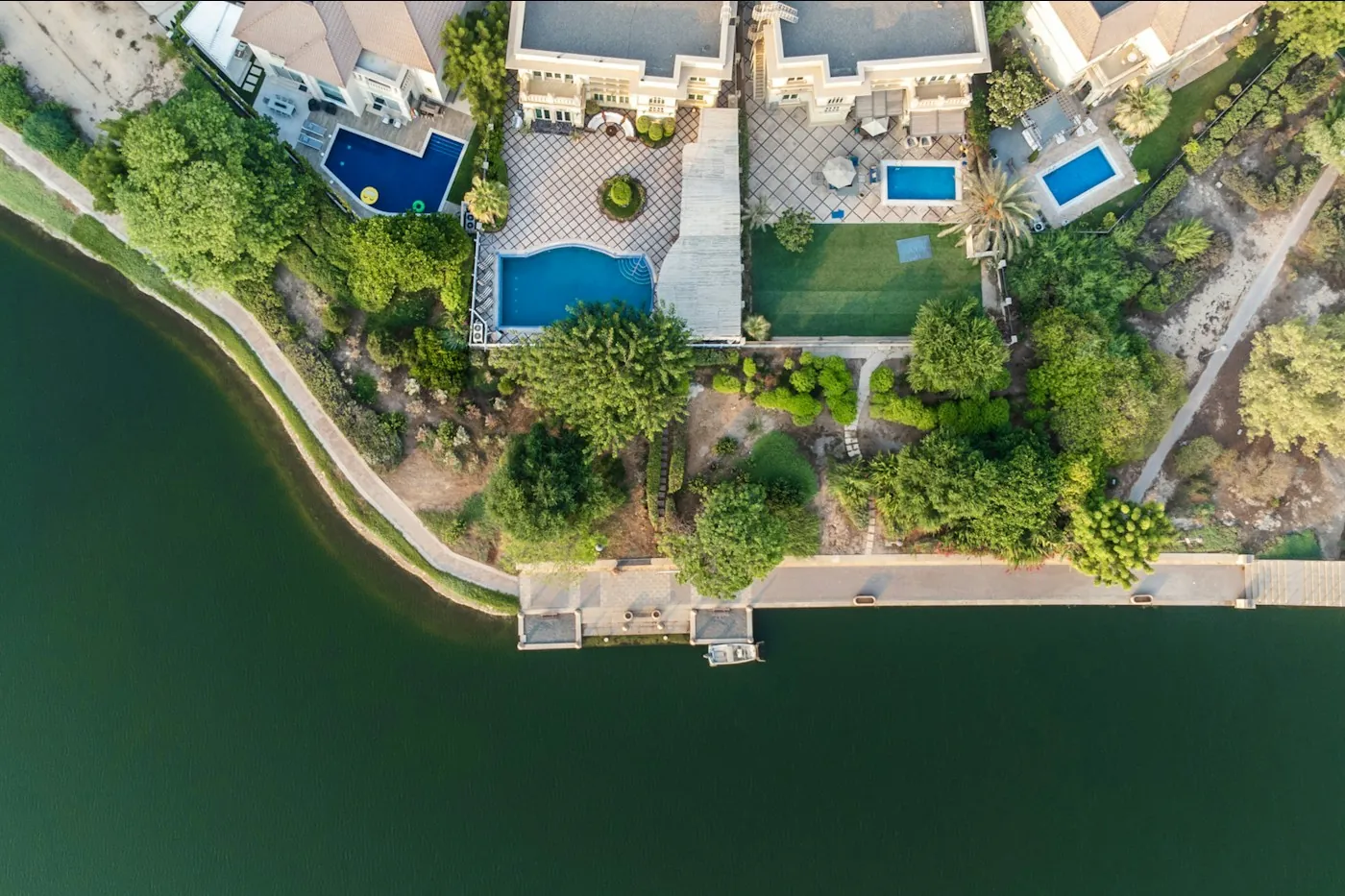
Read your own row before you read any brand comparison. A Palm Jumeirah villa under renovation starts nowhere near where a one year lease in Dubai Marina starts.
Villa or apartment: what actually changes?
Two things change between a Dubai villa and an apartment: scale and cooling. A villa has its own AC units, its own gate, a pool, and a garden, so there is more to control and more to save. An apartment has fewer zones and, in most towers, no control over how cooling is billed.
That second point matters more than people expect. Dubai towers often buy cooling from a district provider such as Empower or Tabreed, not through a DEWA meter. In that case a smart thermostat improves comfort more than it cuts the bill.
In a villa with its own split units, smart lighting and climate control is the fastest payback in the house.
Budget follows the same split. A full apartment lands at AED 8,000 to 15,000 and installs in 2 to 4 days. Villa essentials start at AED 30,000 and take 5 to 14 days on site.
For the phased plans by home type, read the villa owner roadmap or the rented apartment guide.
Owner or tenant: what needs permission?
In Dubai, anything that alters the property needs your landlord's written consent. Landlords here can restrict drilling and wall changes under the tenancy contract. Cabling, fixed keypads, and drilled camera mounts are not yours to decide alone[8].
What you can normally do without asking: plug-in modules, battery powered sensors, stick-on wireless switches, and a smart bulb in an existing fitting. What needs a conversation first: a replacement door lock, a wall mounted panel, an outdoor camera, and anything that touches the distribution board.
Common mistake: tenants swapping the front door lock without asking, then paying to restore the original at move out. If access control is the reason you are buying, our smart gate and access control work covers both owned and rented setups. The full permissions matrix sits in the Dubai smart home laws guide.
Owners have one extra option worth knowing. Because you control the walls, you can put a wired core in during a renovation you were already paying for. That is far cheaper than a standalone automation job later.
New build or retrofit: when should you add home automation?
Pre-wiring during construction costs 60 to 70 percent less than retrofitting a finished home. Nothing else in this article moves the number that much. The window closes the day the plaster goes on.
Pre-wiring a Dubai villa during construction costs 60 to 70 percent less than retrofitting the same home after you move in.
The saving is not clever pricing, it is physical. Open walls mean no chasing, no cutting into marble, no re-plastering, no repainting, and no working around your furniture. Retrofits also force compromises: a keypad ends up where cable can reach, not where you wanted it.
If you are buying off plan, ask the developer what is already fitted before you buy a single device. New Dubai buildings carry energy requirements under the Al Sa'fat green building system, so conduit, data points, or basic AC control are often already there[3].
Quick math: a villa job quoted at AED 40,000 as a retrofit would have cost roughly AED 12,000 to 16,000 as a pre-wire during construction. Same rooms, different month.
Getting handover dates on the calendar early? Book a free site visit and quote →
Wired or wireless: which does a Dubai home need?
Wired for villas you own long term, wireless for apartments and rentals. That single line covers most Dubai homes, and mixed systems are common in villas that are already lived in.
The short definitions: KNX is a wired system that keeps working with no internet and lasts 30 years or more. Zigbee and Z-Wave are wireless, need no drilling, and run on batteries that last years. Matter is a 2022 standard that lets one device work with Apple, Google, and Amazon together.
That is deliberately all we will say here. The full wired versus wireless comparison, including where each one fails, is in the smart home protocols guide. If you are still deciding whether to install it yourself, the DIY versus professional post answers that separately.
What does home automation cost in Dubai, and why does every quote look different?
Home automation in Dubai runs AED 2,000 to 5,000 for one room and AED 8,000 to 15,000 for a full apartment. Villa essentials start at AED 30,000, and a fully wired villa runs AED 150,000 to 250,000 or more. Those are installed prices covering hardware, cabling, programming, and the app.
Now the part other pages skip. Ask three Dubai companies to price "a three bedroom villa" and the answers can differ by three or four times. That is not one company cheating, it is that nobody agrees on what the words mean.
- Room count, not floor area. One quote covers four main rooms, another covers all twelve. Neither says so on the front page.
- Brand tier. Wireless Aqara sits at the bottom, wired Lutron and KNX in the middle, Crestron and Savant at the top. Same function, very different bill.
- Wired or wireless. Cable, conduit, and making good on walls are real line items a wireless quote simply does not carry.
- Programming. Some companies fold engineering time into the hardware price, some charge it separately, and some leave it out until after you sign.
Real talk: you cannot compare two quotes until both list the same rooms and the same brand tier. Send every company the identical room list. The full breakdown by system sits in our Dubai smart home cost guide.
What should a proper home automation quote include?
A proper home automation quote is itemised, names brands and models, splits labour from hardware, and ties payments to finished stages. A single total with no breakdown is not a quote, it is a guess you are being asked to fund.
Use the table below when you compare documents. The left column is what to ask for. The right column is what it means when it is missing.
| Ask for this | Red flag if missing |
|---|---|
| An itemised bill of quantities with brand and model names per room | The brand can be swapped for a cheaper one after you sign, and you will not know |
| Hardware cost and labour or programming cost shown separately | You cannot tell whether you are paying for kit or for engineering time |
| Payment milestones tied to finished stages, not to calendar dates | Money leaves before work lands, and nothing keeps the job moving |
| A written defects liability period after handover | Anything that goes wrong in month two becomes a paid callout |
| Stated warranty length on hardware and on workmanship | A verbal warranty promise is worth nothing once the salesperson leaves |
| AMC terms and price in writing, even if you decline it | Year two support arrives as a surprise invoice |
| A named single point of contact for support after handover | Nobody owns your project once the installers drive away |
| Subscription and cloud fees listed, or confirmed as none | The system works, then asks for a card six months later |
| Making good on plaster and paint included or excluded, in writing | You pay a second trade to repair the walls the first trade opened |
One Dubai specific line to check: if cameras are in scope, ask that the recording spec is written down. The SIRA standard is 1080p HD minimum with 31 days of footage retention, and it is easier to specify that now than to argue later[2]. Our security and surveillance quotes state it as a line item.
Want a quote you can actually read line by line? Message us on WhatsApp →
How long does home automation take, from enquiry to a working system?
Installation takes 2 to 4 days on site for a full apartment and 5 to 14 days for a villa. The full journey, from enquiry to handover, runs in weeks[10]. The install itself is the short part.
Nobody publishes the whole sequence for a smart home installation in Dubai, so here it is.
| Stage | Typical duration | What happens | What to ask for |
|---|---|---|---|
| Enquiry and first call | Same day | Rooms, budget band, and timing are agreed on the phone | A rough range before anyone visits, so you know you are in the right market |
| Site visit | 1 to 2 hours on site | An engineer counts circuits, checks the board, tests Wi-Fi coverage, and maps cable routes | That an engineer attends, not only a salesperson |
| Quote turnaround | A few working days | The visit becomes an itemised document with brands, labour, and milestones | The itemised version, not a one line total |
| Contract and deposit | Your call, usually days | Scope is signed and a deposit releases the hardware order | Payments tied to finished stages and a written defects liability period |
| Hardware lead time | Days for stocked kit, longer for special order | Equipment is ordered, delivered, and checked before anyone arrives | Which items are in stock in the UAE and which are being brought in |
| Installation | Apartment 2 to 4 days, villa 5 to 14 days | Cabling, mounting, and device fitting, room by room | A daily contact and written confirmation of who does the work and who answers for it |
| Commissioning and handover | Part of the final days on site | Scenes, schedules, app layout, and voice control are programmed and tested with you | As built documentation, the device list, and your own admin credentials |
| Warranty year one | 12 months onward | Support, fixes, and any settings changes as the household settles in | The support number, the response time, and the AMC price for year two |
From our projects: the stage that slips most is not the install, it is the decision. Households take weeks to agree on scope, then want the work finished before a handover date. Booking 4 to 6 weeks ahead removes that pressure.
How do you choose a home automation company in Dubai?
Check four things: a valid trade licence, a clear answer on who carries out the installation, brand certification, and a written after sales arrangement. Everything else is detail.
Brand certification is the one people skip. An uncertified installer can void the manufacturer's warranty on genuine hardware, so you own the kit and lose the cover. Ask to see the certificate, not a logo on a website.
This section is short on purpose. The full scoring checklist already lives in our guide to choosing a smart home company in Dubai. Read that before you shortlist anyone.
Warranty and AMC: what should you expect after installation?
You should get two separate warranties in writing. The manufacturer covers the hardware. The installer covers the workmanship: cabling, mounting, configuration, and the system doing what the quote said it would do.
An AMC is an Annual Maintenance Contract. It typically runs about 5 to 10 percent of the project value per year and covers support, firmware and software updates, and callouts[10]. It is optional, and it is not right for everyone.
- Worth it: a large wired villa with cinema, pool control, gate, and 20+ zones, where one fault affects the whole house.
- Usually not worth it: a wireless apartment setup of lights, a lock, and a thermostat that you can reset yourself in ten minutes.
- Ask either way: what the response time is, whether callouts are included or billed, and what happens outside the contract.
The fear behind all of this is real and common: the installer sets everything up, then goes quiet. Protect against it before you sign.
Insist on as built documentation, the device list, and your own admin credentials at handover. Any competent engineer can then pick the system up. Open standards such as KNX hand over far more easily than a closed setup tied to one vendor.
What are the red flags before you sign anything?
Six things should stop you signing that day. Each one has cost a Dubai homeowner money we have later been called in to fix.
- A firm villa price with no site visit. Nobody can price cable routes they have not seen. The gap appears on your final invoice.
- No written scope. If the room list, device count, and brand names are not on paper, they are not in the deal.
- Warranty promised only verbally. Get the length and what it covers in the document, or assume it does not exist.
- An unnamed crew. Ask who is physically coming, who employs them, and who returns if something fails.
- Full payment before work starts. A hardware deposit is normal. Paying the whole amount upfront is not.
- Pressure to sign today. A discount that expires this afternoon is a sales tactic, not a price.
Common mistake: comparing three quotes on total price alone. The cheapest one is often cheapest because it quotes fewer rooms, a lower brand tier, or no programming time. Compare scope first, then price.
What can home automation not do?
Home automation will not zero your DEWA bill, fix weak Wi-Fi on its own, or rescue a household that never agreed on one app family. Being clear about this now prevents disappointment later.
It will not remove fixed charges. Smart AC and lighting control cut cooling costs 20 to 30 percent. A villa paying AED 4,000 a month in summer saves AED 800 to 1,200.
The bill also carries fixed monthly service charges that do not move with usage. That is why bills stay high even when a home sits empty[9].
DEWA's own Away Mode and Smart Living dashboard are worth switching on before you travel[1]. Both are free, and neither needs an installer.
It will not fix your network. Concrete walls and long villa runs defeat a single router, and no amount of automation compensates for a dead spot.
If devices drop, the network is usually the cause. That is why home networking is often the first line of a villa quote, not an add on.
It will not settle an ecosystem argument. A house running Apple in one room, Google in another, and a third brand's own app ends up with more friction than it started with. Agree on one app family first, then buy.
It will not repair the house. Automation controls a home well, it does not fix bad wiring, a failing AC unit, or an undetected water leak.
A sensor tells you sooner. A plumber still comes.
The honest test of a good system is boring: everyone at home can turn on a light without asking anyone. Wall keypads that still work, plus voice in English and Arabic, beat a clever app nobody opens.
Which Dubai checks should you make before you buy?
Six checks are specific to Dubai: heat rating, UAE type approval, region lock, voltage, camera consent, and the SIRA recording spec. Run them before you pay for anything, whether you buy through an installer or bring gear in yourself.
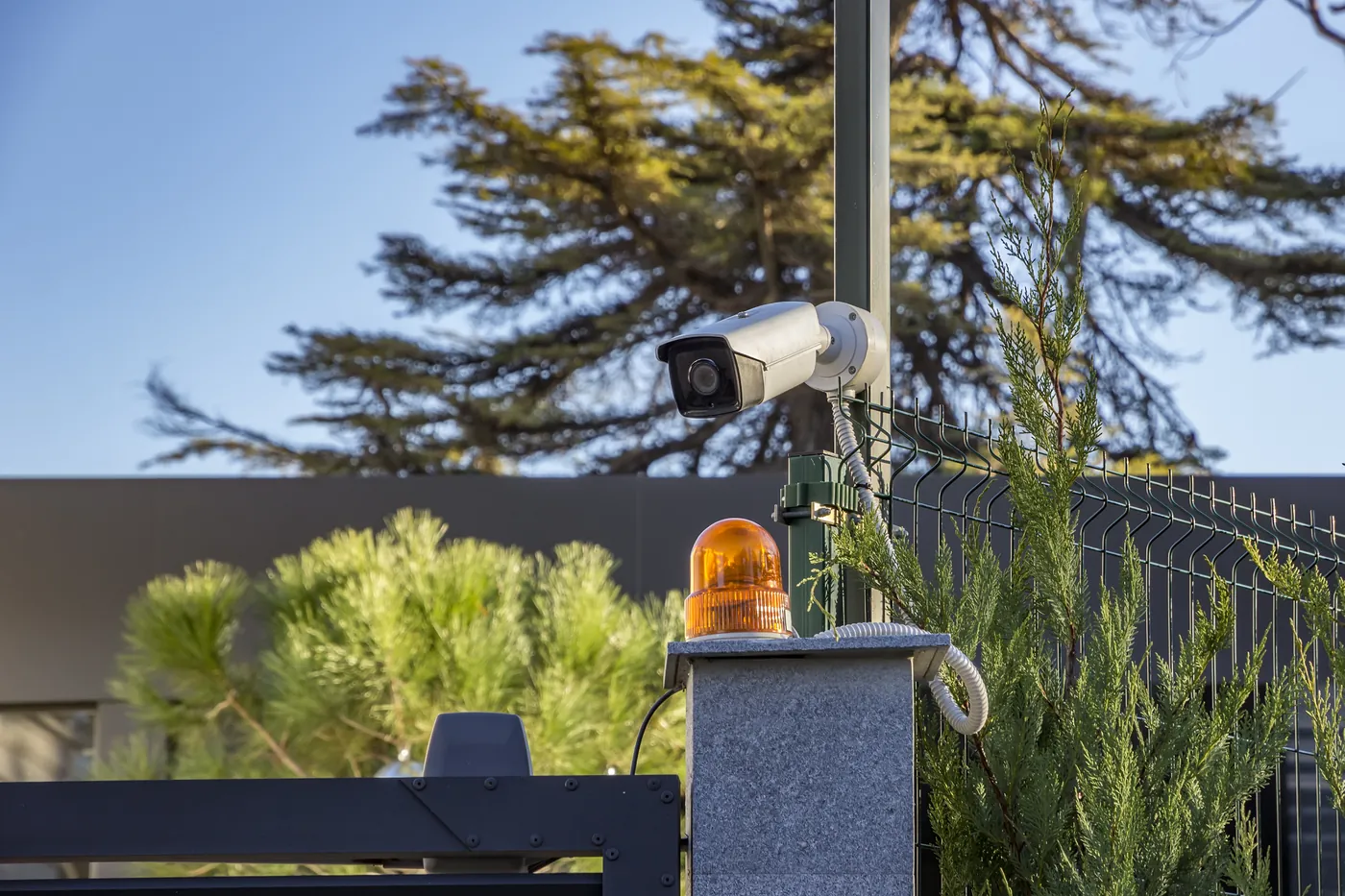
- Heat rating on anything outdoors. Dubai summer air passes 45 degrees, and a west facing wall in August runs hotter still. Ask for the stated operating temperature range, a metal body on locks, and IP65 or better outside.
- UAE type approval. Wi-Fi, Bluetooth, and other radio devices need approval before local sale, and buying through a UAE retailer or installer handles it. The exposure is personal import of unapproved gear[4].
- Region lock. A US bought smart speaker loses features here and its warranty does not travel. US Z-Wave hardware runs a different radio band from the UAE, so it may never pair with a local hub.
- Voltage. UAE mains is 220 to 240 volts on a Type G plug. A 110 volt smart plug from a US trip is a safety problem, not a small inconvenience.
- Camera and voice consent. Cameras, microphones, and fingerprint locks capture personal data, and UAE law requires consent from anyone they record, including household staff and guests[5].
- Recording spec if cameras are in scope. Ask for 1080p HD minimum and 31 days of retention, the SIRA standard, written into the quote[2].
Two more worth a question. Dubai Police offers an optional monitored Smart Home Security subscription from about AED 147 a month. Ask whether monitoring is in your installer's scope or a separate service.
If voice control is on your list, confirm it works in English and Arabic before you commit. That is standard on our voice control installs. Privacy and account security are covered further in our smart home security guide.
Your pre-purchase checklist
Screenshot this section. Work down it in order. You will be a better client than most people who call us, which means a better price and a shorter project.
- Decide how long you will stay in the home. Under two years, stay wireless and portable.
- Write down your four answers: villa or apartment, owner or tenant, new build or retrofit, budget band.
- If you rent, read the tenancy contract and get written landlord consent for anything drilled or wired.
- If you are building or renovating, decide before the plaster goes on. That timing is worth 60 to 70 percent.
- Agree one app family with everyone at home before you buy a single device.
- List the exact rooms you want covered, and send the identical list to every company.
- Insist on a site visit with an engineer, not a phone price.
- Demand an itemised quote: brands, models, labour split, milestones, warranty, defects liability, AMC terms.
- Ask what is excluded, especially making good on walls, network upgrades, and subscription fees.
- Confirm who carries out the install and ask who returns in month seven.
- Check heat rating, UAE approval, voltage, and camera consent before anything is ordered.
- At handover, collect as built documentation, the device list, and your own admin credentials.
Working through this list and want a second opinion on a quote you already have? Talk to our team →
How does Dubai Smart Home work with you?
At Dubai Smart Home, we map the home before we price it, and we quote in writing with the lines above already broken out. We design and support 12 smart home automation systems, and our team has completed 100+ projects across Dubai and the UAE since 2016. Dubai homeowners rate us 4.9/5.
We design the system and coordinate every stage of the installation, so you deal with one team from the first plan to handover. Sales enquiries are answered within 2 hours, support runs 24/7, and systems work in English and Arabic.
If you are early and unsure, that is the right time to talk. We would rather tell you to wait six months for your renovation than sell you a retrofit you did not need. Send us your room list and we will come and look.
Book a free site visit and quote → or ask an engineer on WhatsApp →