Most writing about sandstorms and smart homes reads as if every villa in Dubai closes its own windows. Almost none do. Here is what genuinely closes itself when a Shamal arrives, what still needs a person, and how the two fit together.
What follows is one dust event in a Dubai villa, from the first shift in the air to the cleanup two days later. Some of that day runs on its own. A fair amount of it does not, and nobody selling automation enjoys saying so.
What is a Shamal, and is it a sandstorm?
A Shamal is a northwesterly wind that blows down over Iraq and across the Arabian Gulf, carrying dust with it. The name is the Arabic word for north. It sits behind most of Dubai's dusty days.
There are two kinds. The summer Shamal is the steady one. Research cited by NASA Earth Observatory puts its usual run from about 30 May to 16 August[1]. It blows almost without a break and peaks near noon each day. Winter Shamals are shorter and arrive in bursts.
A sandstorm is what you get when that wind lifts enough material to cut visibility. NASA notes that wind speeds above roughly 11 m/s (24 mph) are usually needed to push visibility below 3.5 km, the standard dust-storm mark[1].
A Shamal is not the same as a haboob. A haboob is a short, local wall of dust thrown out ahead of a thunderstorm. A Shamal is a regional system that can run for days. Dubai sees both. The Shamal is the one your house meets most often.
How much warning do you get before a sandstorm hits?
Two to four days, depending on where the dust starts. Local dust events inside the UAE can be forecast 3 to 4 days ahead. Storms carried down from Iraq and Saudi Arabia are tracked hour by hour, with forecasts running to about 48 hours[3].
The National Centre of Meteorology is the official voice. NCM is the UAE's weather authority, and it issues yellow and orange dust advisories along with wind and visibility warnings[2]. Environment Agency Abu Dhabi separately runs a 72-hour dust pollution forecast[3]. The standard advice during an advisory is plain: keep doors and windows shut, and stay out of it.
Real talk: a forecast is not a trigger. NCM can tell you a storm is likely across the region. It cannot tell you when the first gust reaches your terrace in Arabian Ranches. That gap is what an on-site wind sensor fills. Useful automation reads your own roof, not a weather icon in an app.
What does a Shamal day do to a Dubai villa, hour by hour?
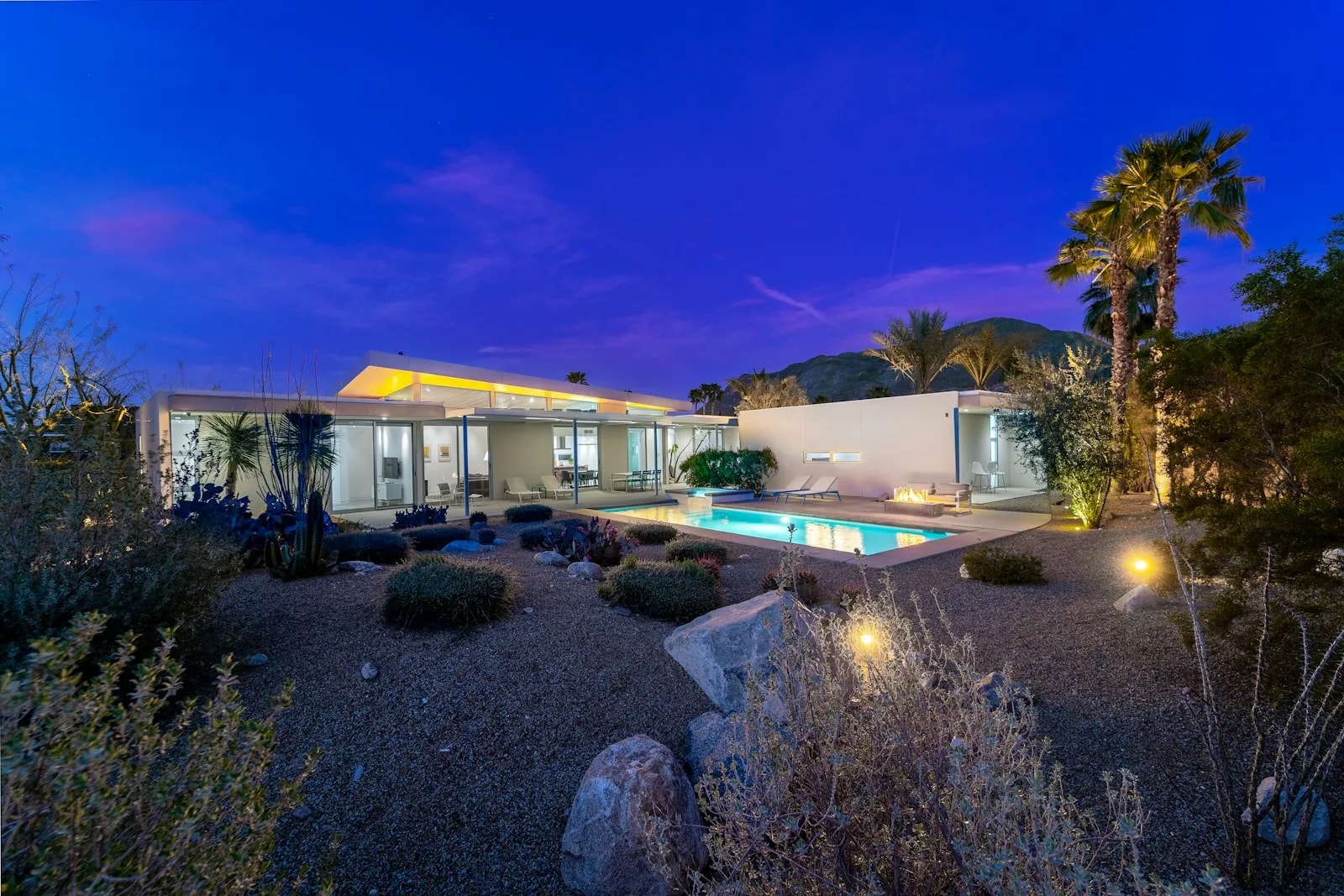
A Shamal day arrives quietly and leaves your villa with a cleanup list. Here is one day in a Dubai Hills Estate or Tilal Al Ghaf villa, from the first change in the air to the cleanup.
- Early morning: still and hazy. Nothing looks wrong yet. A roof-mounted weather station is already logging the shift in wind and pressure.
- Late morning: the wind builds. This is the window where automation earns its keep. Shading retracts, the pergola roof closes, irrigation holds.
- Midday: the peak. The summer Shamal hits its daily high near noon[1]. Visibility drops, the pool surface films over, and fine sand starts working past door seals.
- Afternoon: the advisory lands on your phone. Dust sits on every flat surface outdoors, and your AC filters load faster than usual.
- Evening: the wind eases. The irrigation schedule releases. From inside, the house looks normal.
- The next two days: the actual work. Filters, pool, solar panels, camera lenses, outdoor furniture. None of that part is automatic.
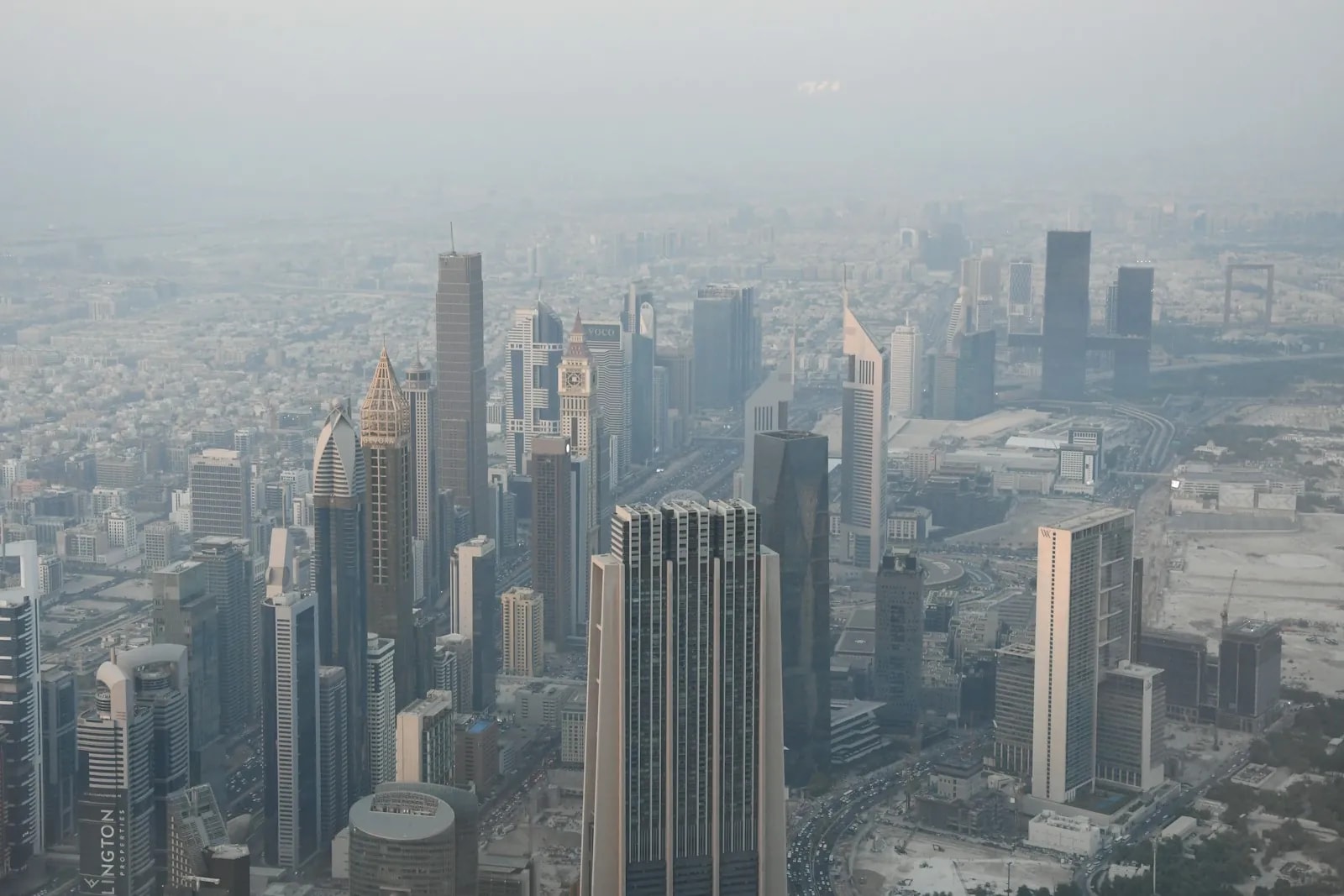
How bad it can get: during the severe event of 18 May 2022, IQAir reported PM10 in Dubai at 784.7 µg/m³ and PM2.5 at 94.5 µg/m³. That PM2.5 reading is about 18.9 times the WHO annual guideline[4]. That was one severe day, not a normal one. Read it as the top of the range.
Does closing the windows actually keep the dust out?
Closing the windows helps, but it does not keep the fine dust out. Fine sand passes standard window seals, slips around door frames, and rides in every time someone opens the front door or the garage. A shut-up villa still shows a grey film on shelves the next morning.
That one fact shapes everything below. Automation is aimed at cutting exposure and protecting equipment, not at sealing the building. Anyone promising that a smart home keeps the dust out is selling something the hardware cannot deliver.
It also explains why the indoor half of the job stays mostly filters and cleaning rather than clever scenes. Your AC filter is the real dust barrier in a Dubai villa, and a filter is a consumable, not a device.
What can a smart home in Dubai close on its own before a sandstorm?
Shading, pergola roofs and the water systems outside. That is the honest list for dust protection in a Dubai villa, and it is a strong one. Each item is a documented sensor behaviour from a manufacturer, not a marketing line. Together they are the working layer of Shamal wind protection for your home.
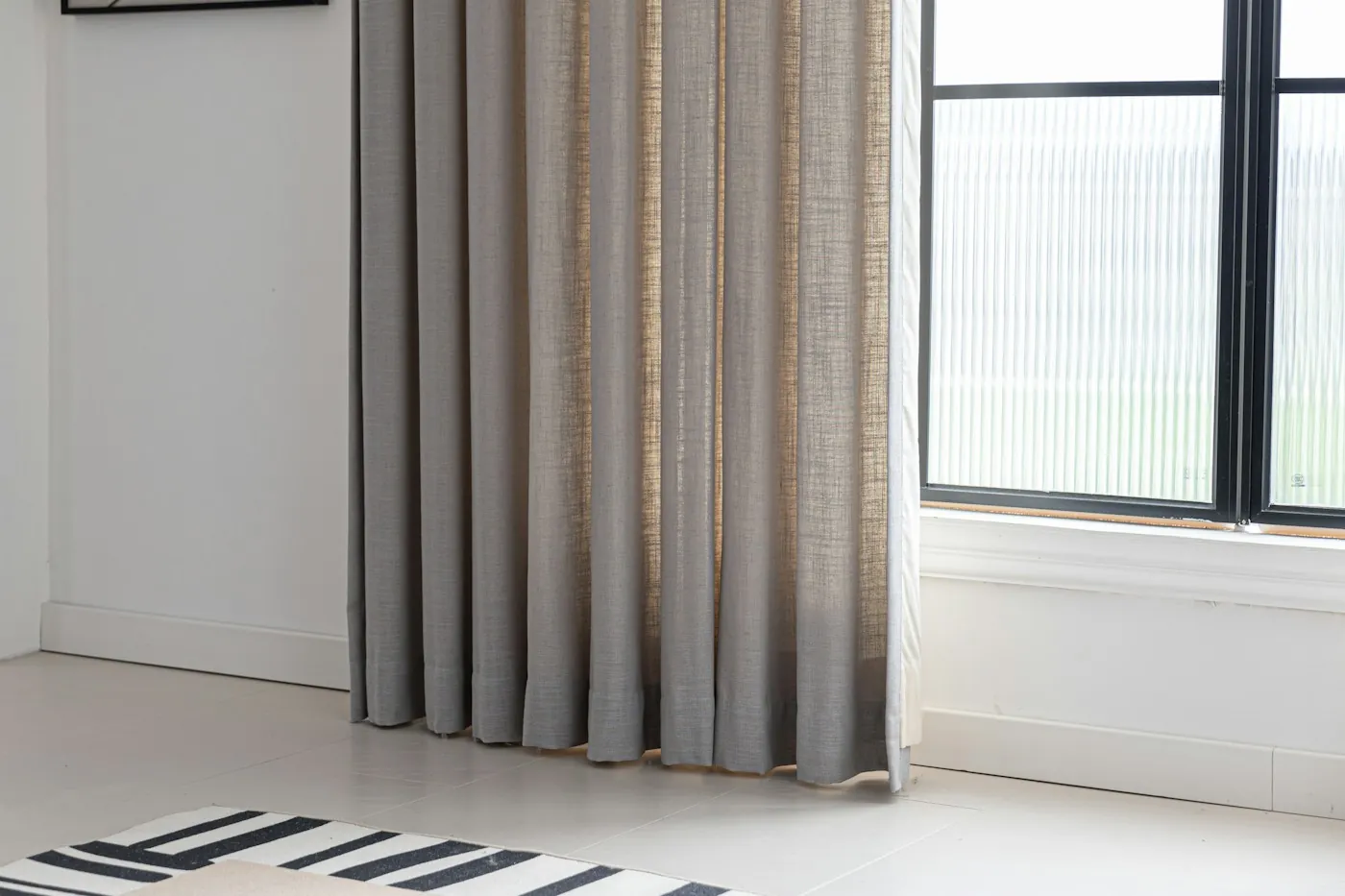
Motorized shading and curtains. A wind sensor retracts exterior shades and awnings with nobody touching an app. Somfy's Eolis 3D reads the movement of the awning fabric itself rather than only the wind at a mast. It runs on its own battery over Somfy's RTS radio, and it keeps protecting the awning while the house sits empty[7]. We pair it with a rain puck, and the pergola fabric pulls in a full minute before the first gust reaches the patio[10]. That is the heart of our motorized curtains and blinds work, which starts at AED 2,800.
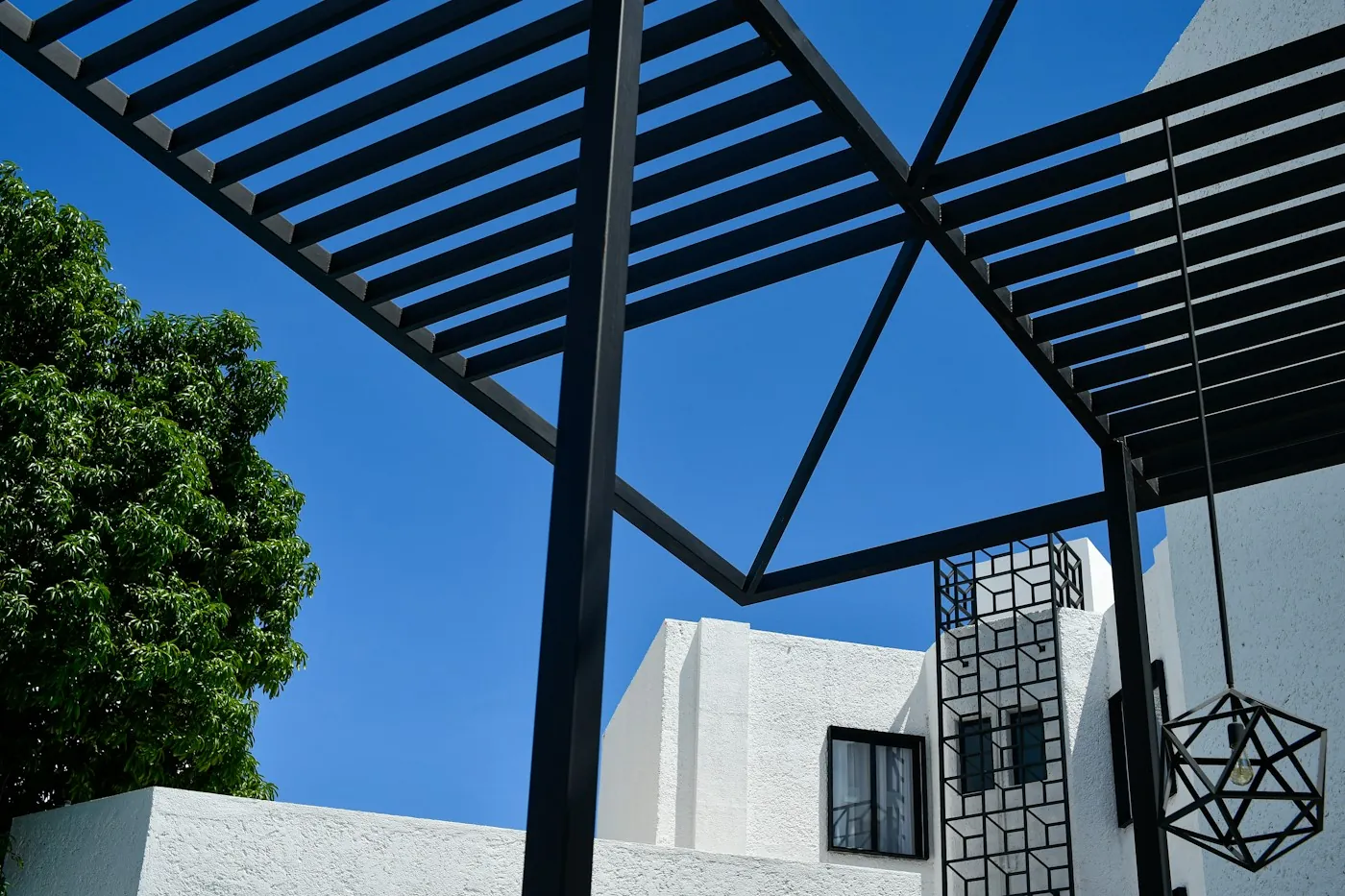
Louvred pergola roofs. Renson documents a rain sensor and a wind sensor on its Camargue pergolas. The wind sensor moves the roof and screens to their most secure position once wind passes a level you set. Both sensors keep working while you are away[8].
Irrigation and misting. High wind blows spray off target and drives evaporation up, so the schedule should hold rather than waste water. On the pool and outdoor automation projects we design, a Davis Vantage Pro2 weather station feeds a Hunter Hydrawise controller and pauses the watering. A humidity lockout cuts the misting compressor when relative humidity climbs above 65 percent[10].
| Shamal threat | What genuinely automates today | What still needs a person |
|---|---|---|
| Dust through window and door gaps | Nothing seals this. Shading can cut the sun and the dust film on surfaces near glass | Seal and weatherstrip upkeep, plus indoor cleaning |
| Wind damage to awning and pergola fabric | Wind-sensor auto-retract (Somfy Eolis 3D, Renson Camargue), often before the gust lands | A check and reset once the storm passes |
| Irrigation spray blown off target | Weather-station hold on the schedule, then an automatic release | Adjusting run times for the days after |
| Pool water clouding | A scheduled or triggered cover cuts how much dust falls in | Vacuuming, chemical rebalancing, filter clean or backwash |
| AC filter loading up | Nothing prevents it. Zone and schedule control only trims general runtime | Filter checks and replacement, more often in Shamal season |
| Indoor PM2.5 rising | An optional PM sensor can alert you or switch on a purifier, where one is fitted | Purifier filter changes. This layer is an add-on, not standard |
| Solar panel output dropping | Nothing cleans a panel. Monitoring flags the drop so it gets noticed | Booking an actual panel clean |
| Film on outdoor camera lenses | Nothing clears the glass. The right IP-rated housing limits ingress | Wiping the lens by hand |
What does a sandstorm scene actually control?
One trigger, a handful of outputs, nearly all of them outdoors. A sandstorm scene is not a house-wide lockdown. It is a weather reading fanning out to the systems that can physically move.
| What the system reads | What the scene does | Kit involved |
|---|---|---|
| Wind building at the awning itself | Retracts exterior shades and awning fabric | Somfy Eolis 3D on the shading motors |
| Wind past the set level at the pergola | Moves the louvred roof and screens to a safe position | Renson Camargue sensors |
| Sustained gusts on the roof station | Holds the irrigation schedule | Davis Vantage Pro2 into Hunter Hydrawise |
| Relative humidity above 65 percent | Locks out the misting compressor | Davis Vantage Pro2 |
| Alarm condition on the station | Sends the alert to your phone | Davis WeatherLink cloud |
| Conditions settling again | Releases the hold and returns the schedule | Weather station and controller |
One station drives all of it. Our own guide to outdoor smart home systems in Dubai makes the point well. If the pergola has one wind sensor and the irrigation has another, you are paying twice and maintaining two devices. We specify the Davis Vantage Pro2, roof-mounted, for AED 4,800, logging wind, rain, solar radiation, temperature, humidity and pressure every 2.5 seconds[10].
Want this set up on your own villa? Book a site visit, or send us a photo of your terrace on WhatsApp. We will tell you what your existing motors can already do.
Do Dubai villas actually have windows that close themselves?
Almost no Dubai villas have windows that close themselves. Motorized window and door actuators exist as products, but in Dubai they are a specialty retrofit rather than standard villa equipment. If you are picturing a house that seals itself the moment an advisory lands, that house is rare here.
The openings that usually do carry motors are skylights and louvred pergola roofs. Those are built as moving parts from day one, with rain and wind sensors offered by the maker[8]. A standard sliding villa window is not built that way.
Common mistake: assuming a sandstorm mode closes the house. It closes the shading and the roof outside. The windows are still yours to shut, and someone still has to remember the majlis window on the north side.
| Automated element | How common in a Dubai villa | What it does on a Shamal day |
|---|---|---|
| Motorized curtains and blinds with wind retract | Common, in both retrofits and new builds | Pulls exterior fabric in before the gust reaches it |
| Louvred pergola with rain and wind sensors | Increasingly common on new outdoor builds | Moves the roof and screens to a safe position |
| Weather station feeding irrigation and misting | Common on the outdoor systems we design | Holds watering, locks out misting, sends the alert |
| Motorized skylight | Occasional, mostly in newer villas and stairwells | Closes on a rain or wind sensor |
| Motorized window and door actuators for sealing | Rare. A specialty retrofit, not standard equipment | Nothing, in the great majority of villas |
| Homeowner-controllable fresh-air damper on the AC | Rare. Only villas with a dedicated FAHU, usually mechanical or BMS controlled | Nothing you can reach from an app |
| Indoor PM2.5 sensor triggering a response | An optional add-on, not standard | Alerts you, or switches a purifier on |
None of that makes the automation less worth having. It moves the value to where it actually sits: protecting kit that costs more than the sensor, and stopping water being thrown into the wind.
Is there a fixed wind speed that triggers an automatic retract?
No, and treat anyone who hands you one number with care. The trigger is a setting on your own installation, picked for your fabric, your exposure and your product. It is not an industry figure you can look up.
Somfy publishes an adjustable threshold on the Eolis 3D, calibrated on site by moving the awning until the sensor learns the level you want[7]. Renson describes its wind sensor moving the pergola to its most secure position once wind passes a set level, again chosen per installation[8]. Two makers, one answer: configurable.
Where we do publish a figure, it belongs to one job only. On our own pool and outdoor projects, the Davis-fed irrigation schedule pauses when sustained gusts hold above 12 m/s for 10 minutes. That is our own chosen proxy for Shamal conditions on that system[10]. That is an irrigation setting on our projects. It is not a general retract point for shading or pergolas, and it should not be copied as one.
The better question on a site visit is not what speed. It is how much wind this fabric takes before it starts to wear. The answer differs between a beachfront terrace on Palm Jumeirah and a sheltered courtyard in The Springs.
Can your AC switch to recirculate mode automatically during a sandstorm?
For most Dubai homes there is nothing to switch. This is the piece of advice that needs correcting, because it gets repeated everywhere online and it does not apply here.
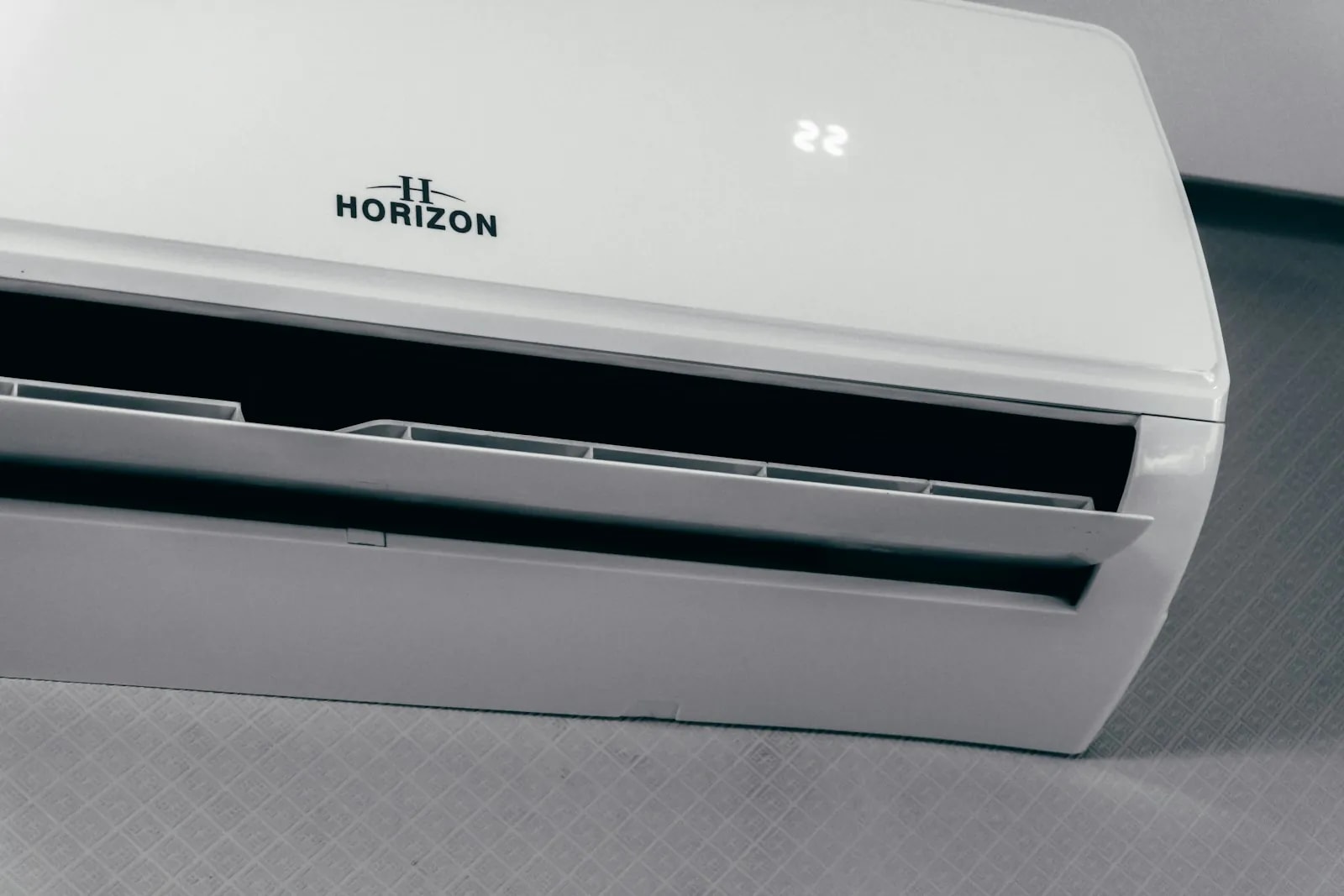
A residential split AC, the type in the large majority of Dubai villas and apartments, already runs on 100 percent recirculated indoor air. It pulls room air over a coil, cools it, and sends it back into the room. There is no outside-air path to close, so there is no recirculate mode to trigger.
Where a villa has a designed fresh-air supply, it normally comes from a separate Fresh Air Handling Unit, a FAHU. That is standalone mechanical plant, specified for ventilation rules rather than homeowner convenience. If a motorized fresh-air damper exists at all, it is usually mechanical or run at building management level. It is not a toggle in your smart home app.
What is actually worth doing indoors: check and change filters more often through Shamal season. A loaded filter chokes airflow and pushes the compressor harder, and cooling is the biggest line on a summer DEWA bill. Our guide to cutting your DEWA bill with a smart home covers that side. For scheduling and zone control, smart lighting and climate control starts at AED 4,500, and automating air conditioning in Dubai is the full guide.
Can indoor air quality sensors respond to the dust on their own?
Air quality sensors can respond on their own, if fitted, and most Dubai homes do not have them. An indoor air quality sensor reads the particles and gases in a room and hands that reading to your hub as a trigger.
Aqara's air quality monitors read PM2.5, carbon dioxide, TVOC and room temperature and humidity. TVOC is the catch-all term for airborne chemicals coming off paint, cleaning products and new furniture. Through an Aqara hub, that reading can send you an alert or switch a purifier on, and it works with Apple Home, Google Home and Alexa. We specify these where a client asks for the air quality layer[10].
Be clear about what this layer is. It is a wellness add-on rather than a standard part of an automation package, and it does not touch the building envelope. The sensor tells you the air got worse. The purifier cleans one room. Neither stops sand coming past the front door, and the purifier filter is one more thing you change by hand.
It earns its place in a home with asthma or small children, where you want a reading instead of a guess. Health guidance around UAE dust events points at vulnerable groups first[3].
What happens to the pool during a sandstorm, and can automation help?
The water clouds and your sanitiser works harder. Dust settling on the surface brings both mineral and organic load, so chlorine demand climbs while silt drifts down to the pool floor.
Automation helps at the front end only. A Coverstar Eclipse safety cover, which we specify on pool projects, keeps most of the fall-in off the water while it is closed. The same cover cuts summer evaporation by 50 to 70 percent, so it earns its keep well outside storm days[10].
What is not automatic: everything afterwards. Vacuuming the floor, rebalancing the chemistry, and cleaning or backwashing the filter are all hands-on. The filter type sets the method. A cartridge comes out and gets rinsed, a sand filter gets backwashed. Skipping that step is how one storm becomes a week of cloudy water.
Does dust really hurt solar output, and can anything automate around it?
Dust cuts solar output in Dubai, and nothing automates the fix. Studies across the Gulf put average soiling losses at roughly 10 percent of monthly PV output, which comes straight off what your panels earn back[6]. Work at Khalifa University using UAE sand samples measured up to 41.45 percent efficiency loss in a worst-case buildup[5]. That is a lab result, not a normal rooftop.
No smart home washes a panel. What monitoring does is notice. If your inverter data sits on the same dashboard as the rest of the house, a drop after a Shamal shows up as a number. Without it, you get a vague sense that the bill looks wrong.
Quick math: panels are one of the few systems where dust costs you in dirhams you can count. That makes a scheduled clean easy to justify, and easy to forget without the data in front of you.
What about outdoor cameras and garden lights?
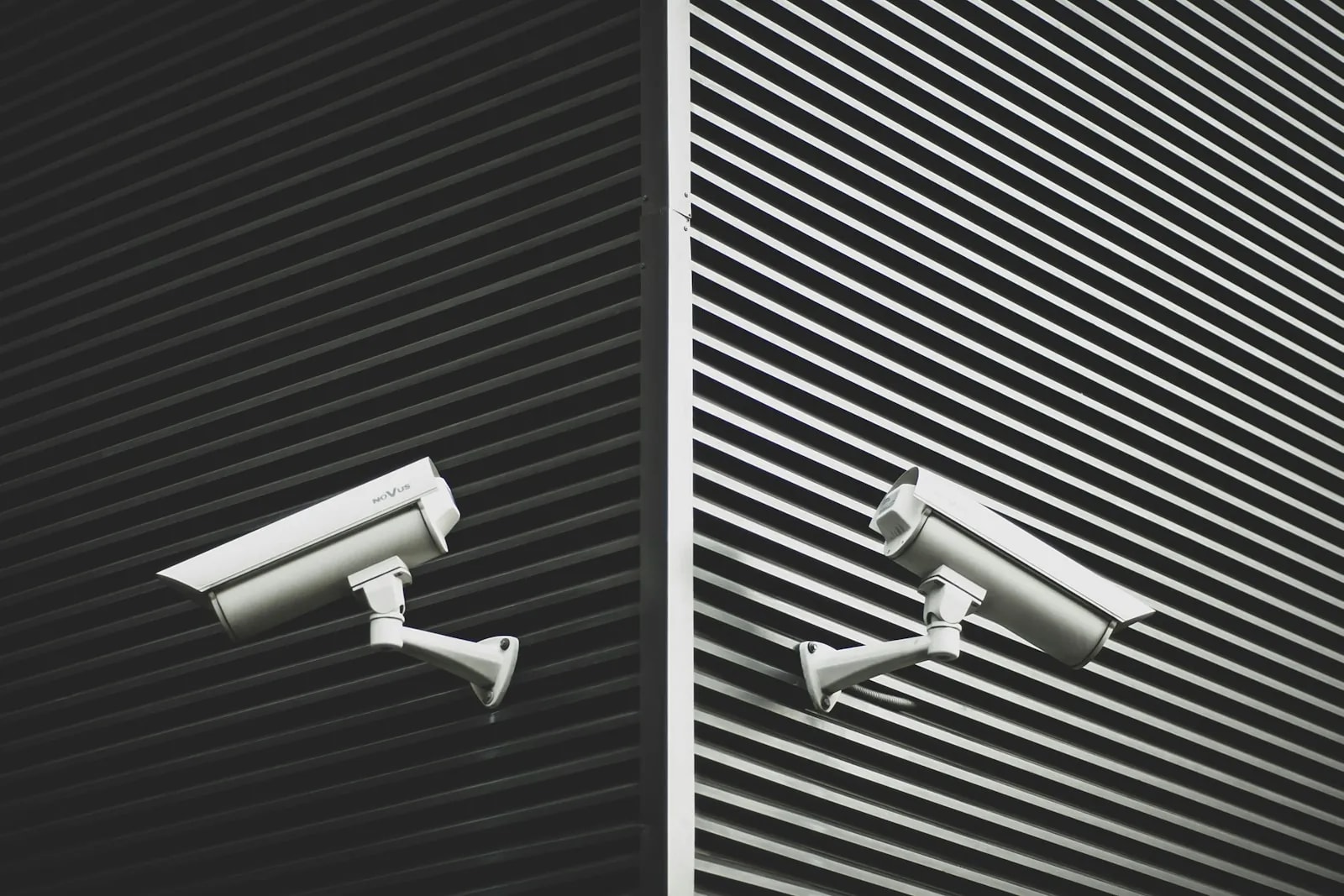
Dust is a daily problem for outdoor cameras and garden lights in Dubai, not a storm-day one. Fine sand gets into vents, past worn gaskets and onto lens glass every week of the year in Dubai. That is why we spec IP66 as the outdoor minimum and IP67 where the position allows it. A dusty lens turns a 4K camera into a blurry one.
Nothing automates the wipe. Our guide to the best security cameras for Dubai covers IP ratings and lens maintenance in full. Garden lights and outdoor speakers get the same treatment: sealed housings, and a clean built into the service visit.
Can you get an alert before the storm reaches you, and control it all remotely?
Yes, on two layers. The first is official. NCM advisories cover the region and tell you a dust event is coming, and they are the source to act on[2]. The second layer is your own roof.
A Davis Vantage Pro2 carries configurable alarms across its readings, and it connects to the WeatherLink cloud service[9]. Wind and rain measured at your own villa reach your phone anywhere. That local reading is the one that matters, because a regional advisory does not know your street.
Remote control is the easy half. The wind trigger fires whether you are home or not, which is the whole point, since Shamal gusts often arrive while a villa sits empty. You can also run the scene by app or by voice from an office in Business Bay, in English or Arabic. The line we hear most on site is a simple one: retract the pergola, the shamal is picking up[10].
All of it rests on the house staying connected. A weather-triggered scene that loses the network at midday is worth nothing, which is why home networking and Wi-Fi sits underneath this rather than beside it.
What a smart home cannot do in a Dubai sandstorm
Four things, stated plainly, because most writing on this subject leaves them out.
- It cannot close your windows. Motorized window and door actuators are rare in Dubai villas. Skylights and pergola roofs are the openings that move on their own.
- It cannot keep fine dust out. Sand passes standard window and door seals no matter what your system does.
- It cannot switch a split AC to recirculate. That system already recirculates fully, and a real fresh-air damper sits behind a FAHU, out of a homeowner's reach.
- It cannot clean anything. AC filters, pool chemistry and filters, solar panels and camera lenses all wait for a person.
Automation cuts your cleanup and protects the equipment outside. It does not seal a house.
That is not an argument for skipping it. A retract cycle protects awning fabric and pergola motors that cost far more than the sensor protecting them. An irrigation hold stops water being thrown sideways across a garden. Both happen while you are at work with no idea the wind came up.
Frequency deserves the same honesty. Dubai does not get a tidy number of Shamal events a year, and we will not invent one. The stronger case is wear. Fine sand works into a curtain track all year, the gliders stiffen, and the motor spends its life fighting the drag[10]. A sealed track, the right glider profile and a service visit handle that, storm or no storm.
If you want that checked on your own villa, ask us for a site visit. A photo of your track and motor on WhatsApp works too. Sales enquiries get an answer within 2 hours.
Where does this fit in a Dubai villa's wider plan?
Sandstorm automation is one scene inside a bigger villa build, not a product you buy on its own. Sandstorm behaviour is a setting on the shading, pergola and irrigation systems you were installing anyway.
If you are starting from nothing, our smart home guide for Dubai villa owners sets the order to do things in. The complete smart home guide for Dubai covers the whole picture. For product choice and cost on shading specifically, read smart curtains and blinds in Dubai.
From our projects: the sequence that works is shading first, then the outdoor water systems. The air quality layer comes last, if anyone in the house needs it. Villa essentials start from AED 30,000. A fully wired villa runs AED 150,000 to 250,000 and up, over 5 to 14 days on site[10].
The Dubai Smart Home team has worked on smart home automation across Dubai, UAE since 2016, with 100+ projects and a 4.9/5 rating. Our role covers the design, the coordination of the works and the handover[10]. Send your villa layout on WhatsApp, or book a free consultation. We will tell you straight which parts of a Shamal day your house already handles by itself.