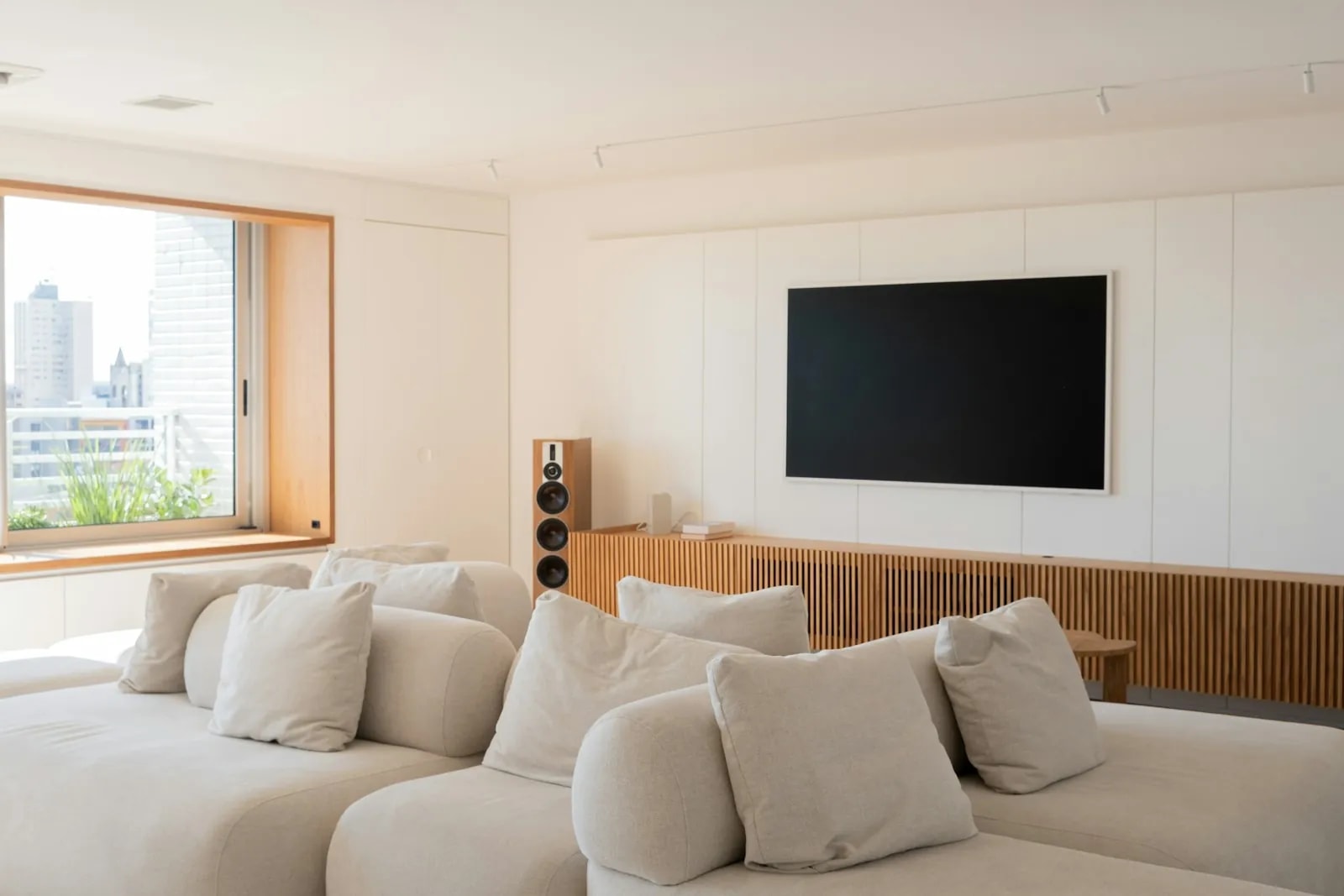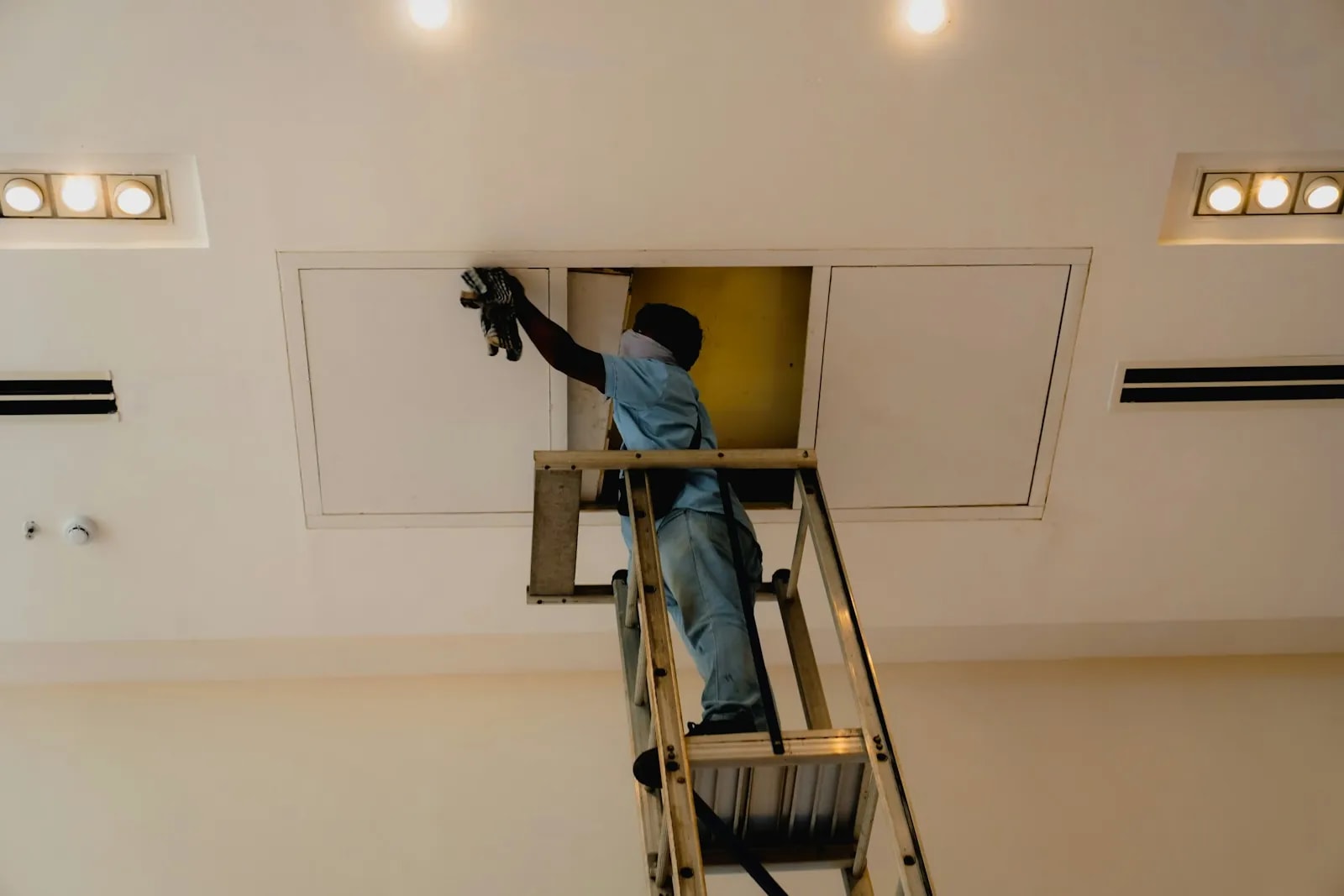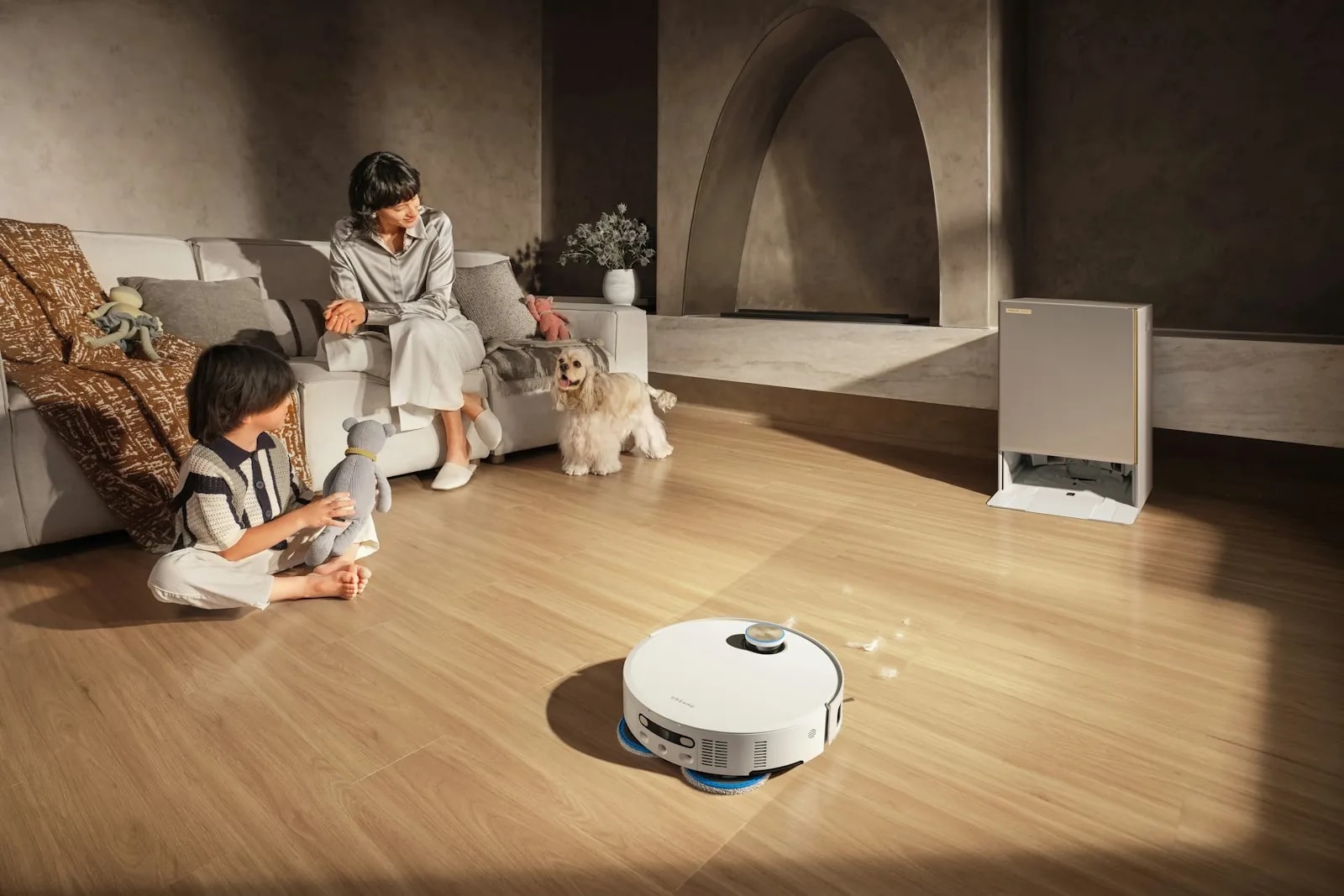
Most owners plan for one kind of failure: the day a device stops working. That is the easiest ending to picture and the least likely one to happen. Google ended support for the first and second generation Nest Learning Thermostat on 25 October 2025[1]. The hardware still controls temperature on the wall. It simply stopped being smart on a published date.
This guide gives the published figure for each category of device, the source behind it, and what Dubai does to that number. Where no manufacturer publishes a figure, it says so instead of guessing. For the wider picture first, read our complete smart home guide for Dubai.
Do smart home devices actually die of old age?
Rarely. Most smart home devices are retired while they are still working, because something other than the hardware ended their useful life.
A bulb rated for 25,000 hours can outlive the app that dims it. A thermostat can hold its schedule for years after its maker stops sending updates. A camera can keep filming long after the brand that sold it has moved on.
Real talk: the spec sheet describes only one of the three ways a device retires. It is the one manufacturers are happiest to print, because it is the one they win on.
What actually retires a smart home device?
Three clocks run at the same time, and the shortest one wins. Hardware wear, the end of software support, and the company itself leaving are separate events with separate timelines.
The hardware clock is heat, dust, battery chemistry, and moving parts. It is the slowest clock for wired gear buried in a wall. It is the fastest for a battery or a motor sitting in Dubai sun. This is the clock a spec sheet measures.
The software clock is the manufacturer's support window closing. It has the hardest evidence of the three, because some brands publish it. Signify commits to a minimum of 5 years of support for Philips Hue lights and 3 years for the Hue Bridge, in writing[2]. Google gave a dated end for early Nest thermostats[1].
The company clock is the vendor closing, being bought, or switching off a server. It is the one you cannot inspect before you buy. The defence is the same in every case: pick systems that keep running locally, and keep your own documentation.
Common mistake: checking only the hardware clock, then feeling cheated when a working device loses its app. Two of the three clocks have nothing to do with build quality.
How long does each type of smart home device last?
Here is the published figure for each category, the source, what shortens it in Dubai, and whether the answer is repair or replace. Two rows carry no published figure, and say so.
| Category | Published expected life (source) | What kills it first in Dubai | Replace or repair | What it costs you when it goes |
|---|---|---|---|---|
| LED bulbs, downlights, drivers | 25,000 hours for current Philips Hue bulbs, about 13 to 14 years at 5 hours a day[3] | Heat in a closed soffit or cove, which ages the driver, not the LED chip | Replace. Sealed units are not worth field repair | One dark downlight, then its neighbours in the same hot space |
| Battery sensors (motion, door, leak) | Up to 5 years on the Aqara Motion Sensor P1, with conditions attached[4] | Heat, frequent triggering, and settings that the rated figure assumed were off | Replace the battery. Replace the sensor once it fails outright | Silence. Automations and alarm zones stop without telling you |
| Smart locks (battery) | About 3 months on Yale Wi-Fi module locks, up to 12 months on the same family without one[5] | The Wi-Fi radio itself, then heat on a sunlit door | Replace the batteries. Replace the lock if the mechanism fails | An access problem at your own front door, not just an inconvenience |
| Curtain and blind motors | More than 10 years expected life, with a 5 year warranty, on Somfy motors[6]. No verified cycle count is published | Heat trapped in the pelmet or track, plus fine sand in the rail | Replace the motor. Track and fabric usually outlast it | One curtain stuck, and a warranty claim worth making |
| Outdoor cameras | Ubiquiti's IP67 UniFi G4 Bullet is rated to operate from -20°C to 40°C[7] | Direct sun on the housing, which passes the rated ceiling for months | Replace. The fix is shade or a wider rated model | A security gap, usually on the sunniest wall covering the gate |
| Network gear (access points, switches, routers) | Ubiquiti's U6 Long-Range access point is rated -30°C to 60°C[8], a far wider range than hubs or cameras | Not heat. Support ending, on a typical 5 to 7 year IT planning cycle | Replace on a planned cycle, not after a failure | Every device behind it drops offline at once |
| Hubs and controllers | Most indoor hubs are rated to only 35°C to 40°C ambient air, set out in our troubleshooting guide | A closed cupboard that sits above that while the room feels fine | Replace, but check the cupboard first, not the box | Everything routed through its logic goes quiet at once |
| KNX and wired actuators | No published years-of-service figure exists. Component warranties commonly run 2 to 5 years | Almost nothing. Losing the programming file and the person who wrote it | Repair, almost always. This is the one category that flips | Rarely anything sudden. The cost lands when documentation is missing |
| Thermostats and IR controllers | No published operating temperature for a mainstream thermostat brand was confirmed. Sensibo publishes 5°C to 50°C for the Sky | Placement. An exterior wall or direct sun through glass | Replace. Low cost, sealed, not repairable in practice | You fall back to manual control at the wall, not to no cooling |
Want a straight read on what is nearing its end in your own home? Book a free site visit and quote →
How long do smart LED bulbs and drivers last?
Current generation Philips Hue bulbs are rated for 25,000 hours[3]. Older filament styles sit nearer 15,000. At 5 hours a day, 25,000 hours is roughly 13 to 14 years of use.
That number assumes conditions a Dubai ceiling may not give it. LED fixtures are usually retired by the driver, the small power supply behind the light, not by the LED chip going dark. Every 10°C above a driver's rated temperature can cut its working life roughly in half[9].
The industry does not even define failure as darkness. The standard end point is L70, the moment output drops to 70 percent of its original brightness[9]. A light can be past its rated life and still be on.
Common mistake: burying drivers in a sealed cove above a majlis, then blaming the brand. A driver in still, hot air is running a different test than the one on the box.
This is why we push ventilation into the joinery drawings on smart lighting and climate jobs. If one driver in a run fails from heat, its neighbours share the same air and the same clock.
How long do battery-powered sensors and locks last?
Aqara rates the Motion Sensor P1 at up to 5 years on two CR2430 cells. That holds only with the LED indicator switched off and the detection timeout set to 30 seconds or longer[4]. Change either setting and real life drops.
Locks vary far more, and the reason is the radio. Yale's own support material puts its Wi-Fi module locks at about 3 months per set of batteries. The same lock family without that module reaches up to 12 months[5].
Quick math: that is a fourfold difference on the same door, driven by one radio. A lock that talks to a hub instead of to your router changes its own battery calendar.
Heat sits on top of that baseline rather than replacing it. No manufacturer publishes a Dubai specific or hot climate reduction for battery life, so do not expect one. Treat any printed figure as a best case, and expect the low end in a hot corridor or a sunlit door.
Battery parts and labour are also the line most often left vague in a support contract. Our guide to smart home maintenance contracts in Dubai covers how to get that in writing before you sign. Locks and entry hardware sit under security and surveillance.
How long do motorised curtain and blind motors last?
Somfy states a product life expectancy of more than 10 years, backed by a full 5 year warranty[6]. That is one of the longer published figures in a smart home, and it comes with a real warranty behind it.
What Somfy does not publish on that page is a cycle count. Installer and retailer sites repeat a figure. We could not confirm it from a readable Somfy specification sheet, so this article does not print one. Motors are rated by duty cycle rather than by hours, and the honest answer is that the exact number is not public.
In Dubai the heat is not in the room, it is in the pelmet. A motor sits enclosed behind glass that takes direct sun for much of the day, and fine sand works into the track over years.
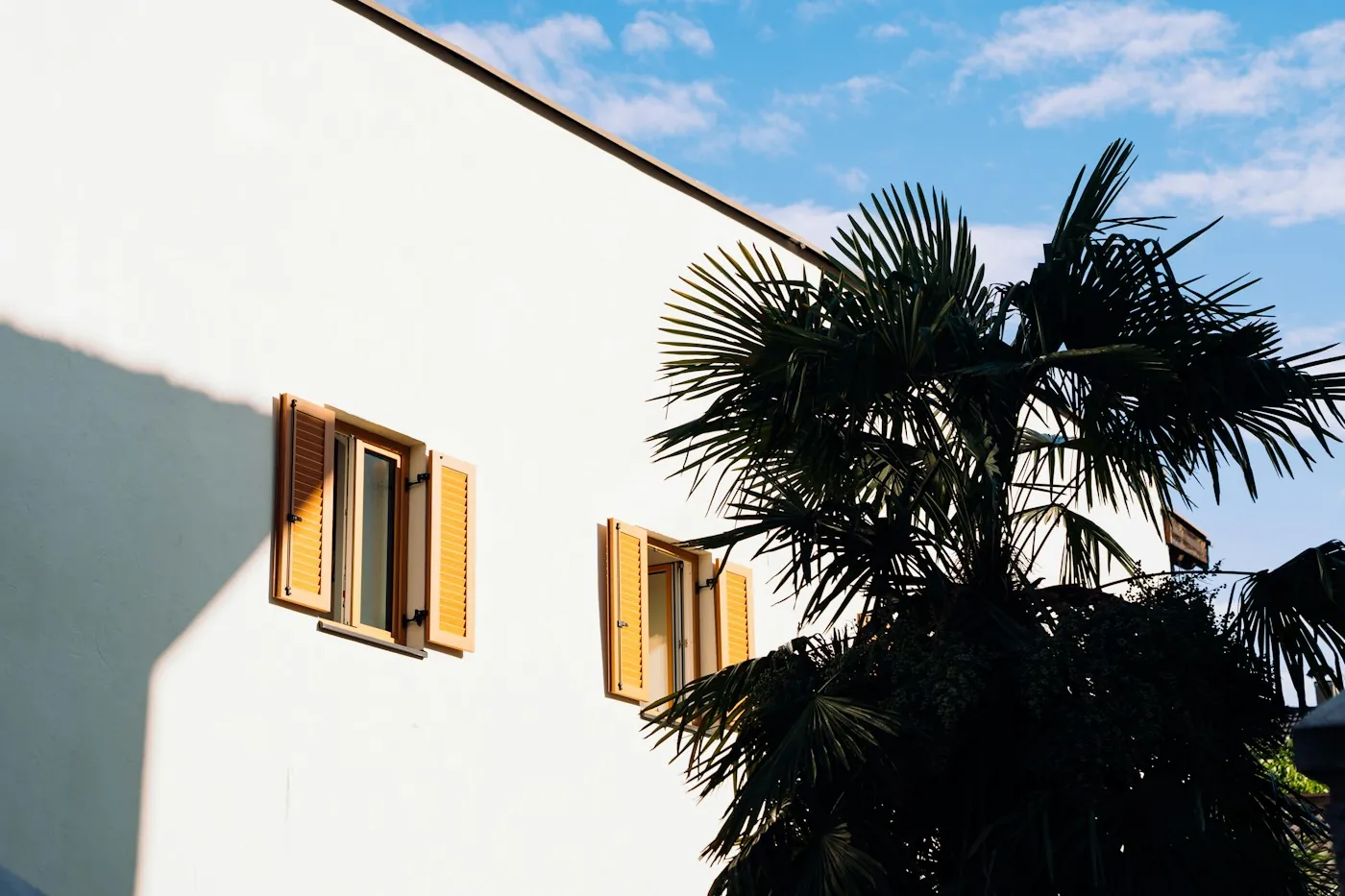
Real talk: a Somfy motor that fails in year three is telling you something. It has a 5 year warranty and a 10 year plus expectation behind it. An early failure points at heat, wiring, or the install, not at the motor's design life. Claim it, then fix the cause. See our motorized curtains and blinds work for how tracks get specified.
How long do outdoor cameras last in Dubai sun?
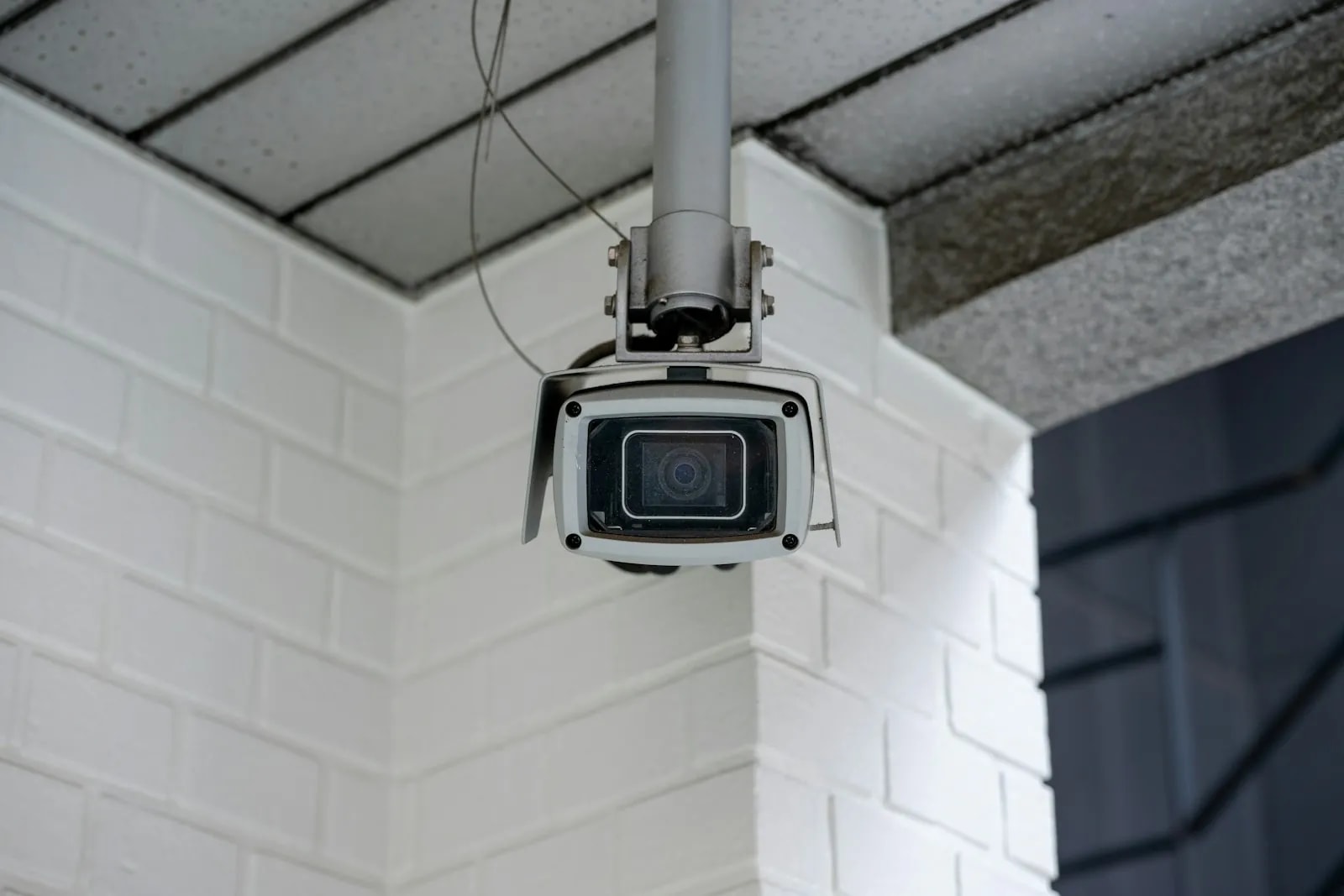
Shorter than the IP rating suggests. Ubiquiti's outdoor UniFi G4 Bullet carries an IP67 rating and an operating range of just -20°C to 40°C[7]. Forty degrees is a normal Dubai summer afternoon in the shade.
This is the fact most buyers get wrong. An IP rating measures water and dust, not temperature. A camera can be perfectly sealed and still sit well outside its rated envelope for months, because sealing does nothing about heat.
Then add the housing. A dark camera body in direct sun runs hotter than the air around it. The sensor and infrared LEDs then add their own heat inside the case. The rated ceiling is measured against ambient air, so the device is already behind before it switches on.
The unit that fails first is usually the south or west facing one, often the camera covering the driveway or main gate. That is the angle you least want to lose.
Brand by brand heat ratings, and which cameras cope, are covered in our list of smart devices that do not work in Dubai. The fix here is placement and shade, not a repair.
How long do smart home hubs and controllers last?
Longer than most people think, if the cupboard lets them. Most indoor hubs and controllers are rated to only 35°C to 40°C ambient air. We set that figure out with manufacturer datasheets in our guide to smart home troubleshooting in Dubai.
That rating is the whole story for hubs here. A closed joinery cupboard in a Dubai summer can sit above 40°C while the room outside feels comfortable. You are not standing in the air the hub is breathing.
So a hub rarely dies of age. It cooks, restarts, cooks again, and gives up early. Before you replace one, read the temperature in the cupboard, not the reviews of the box.
When a hub does go, wired scenes and physical switches should keep working. Anything that runs through the hub's own logic stops with it, which is the honest argument for keeping local control in the design.
How long do routers, switches, and access points last?
The hardware usually outlives its support. Ubiquiti's U6 Long-Range access point is rated -30°C to 60°C[8]. That is a much wider band than hubs at 35°C to 40°C, or that outdoor camera at 40°C.
That is deliberate. Access points are built for hot ceiling voids and outdoor enclosures. Heat is designed into them in a way it is not for a living room hub.
What ends network gear instead is the software clock. IT practice generally plans a 5 to 7 year replacement window for switches and routers. The driver is firmware and security updates ending, not hardware failure. That is a planning norm, not a manufacturer specification, and the difference matters.
Real talk: a switch that still passes traffic ten years on, with no security update since year five, is not a bargain. It is the oldest unpatched device on your network, and it sits between everything else.
This is also the failure with the widest blast radius. One dead access point takes every device behind it offline at once. We plan home networking and IT around replacement dates rather than around the day something stops.
How long does KNX and wired equipment last?
No manufacturer or standards body publishes a years-of-service figure for KNX hardware, and this article will not invent one. KNX is a wired system that runs without the internet, common in Dubai villas and new builds.
What is checkable is the track record, which is a different kind of claim. The KNX standard has been in continuous use for over 30 years, and trade press documents installations still running past 20 years. That is the standard staying compatible, not a warranty on any single device.
Individual actuators are ordinary electronics and carry ordinary warranties, commonly 2 to 5 years depending on the manufacturer. So the honest framing is this: the wiring and the standard are the long-lived parts, and the modules on the rail are serviceable components.
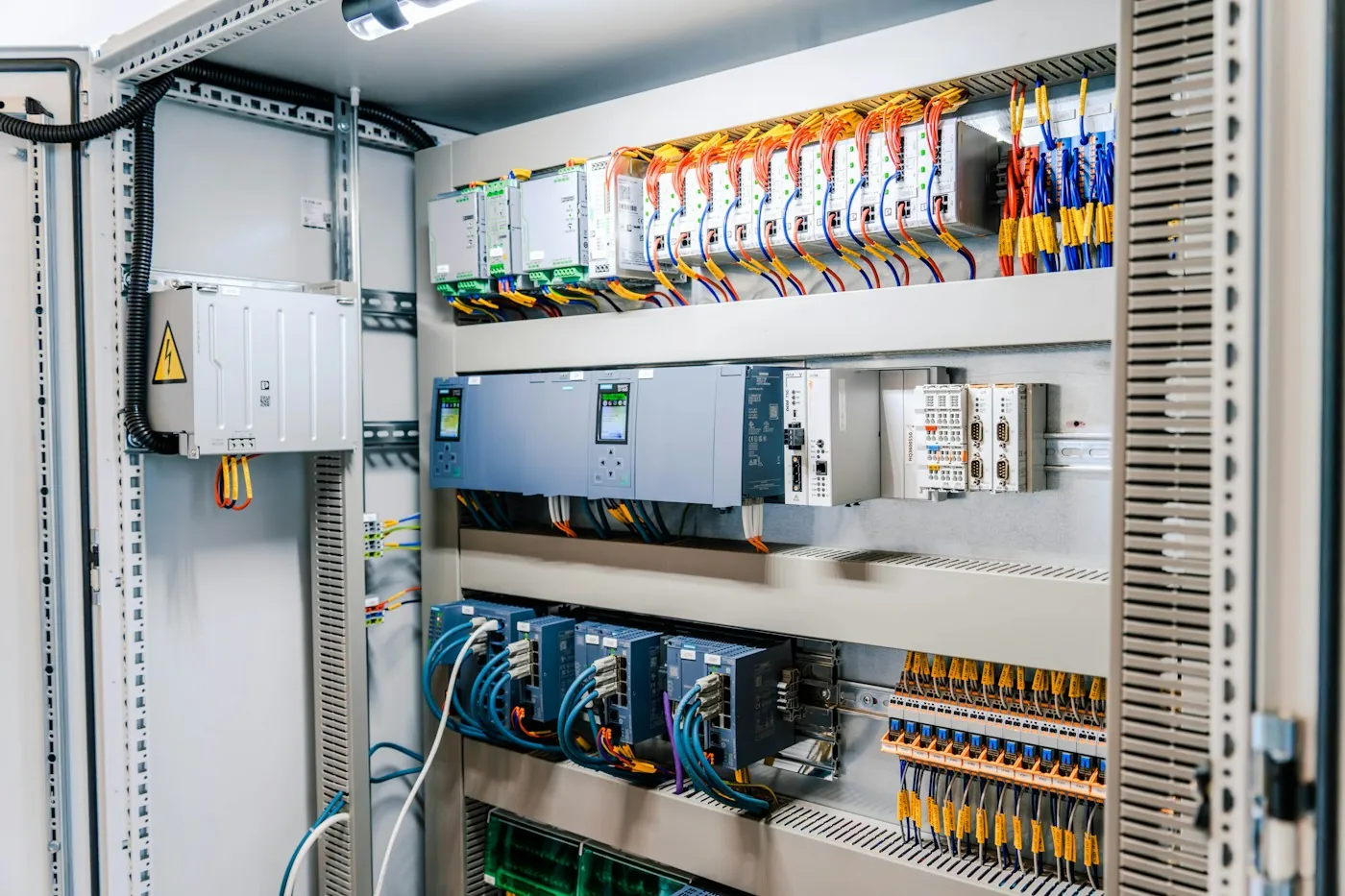
Real talk: the genuine risk with KNX in Dubai is paperwork, not heat. An actuator behind a wall plate sits in a distribution board, out of the sun, with no cloud service to be switched off. What strands the system is a missing programming file and nobody who can read it. That is why documentation and credential custody belong in your maintenance contract.
How long do smart thermostats and AC controllers last?
No published operating temperature for a mainstream thermostat brand held up when we checked it, so there is no figure to give you here. What decides the answer is placement rather than the device.
A wall thermostat inside a cooled Dubai home rarely sees extremes. Mount it on an exterior wall, or where afternoon sun lands through glass, and it reads the wall instead of the room. That shortens its life and skews every schedule it runs.
Infrared AC controllers are a different shape of product. Sensibo publishes an operating range of 5°C to 50°C for the Sensibo Sky. It runs on USB power rather than an internal battery, so there is no cell to age out. Our own Sensibo Air review covers how it behaves in a Dubai apartment.
The failure is mild, at least. In a district-cooled apartment, a dead smart thermostat means falling back to manual control at the wall. The cooling connection sits under the smart layer.
What makes Dubai shorten a device's life faster?
Four things, and three are about where a device sits rather than what it is. Sun, trapped air, dust and power events do most of the damage here.
None of them has a published multiplier. No manufacturer prints a Dubai derating. The useful move is to compare the exposure against the rating the manufacturer did publish, which is what this table does.
| Factor | What it affects | The rating that shows the exposure | What reduces the risk |
|---|---|---|---|
| Direct sun on unshaded outdoor gear | Cameras, gate hardware, doorbells, outdoor sensors | An IP67 outdoor camera rated only to 40°C ambient[7], against a normal Dubai summer afternoon | Shade, an eave or hood, a north or east wall, or a model rated wider |
| Unventilated cupboards, soffits and coves | Hubs, controllers, LED drivers, rack gear | Indoor hubs rated 35°C to 40°C, plus the rule that 10°C over a driver's rating can halve its life[9] | Vented joinery doors, a small fan, and airflow drawn at design stage |
| Dust and sandstorm load | Curtain tracks, filters, outdoor housings, vents | IP ratings cover dust ingress, but say nothing about a clogged filter or a gritty rail | Scheduled cleaning, covered in our sandstorm guide |
| Power events and surges | Hubs, network gear, anything with a power supply | No published figure. Nearby construction and unconditioned supply are the usual causes | Surge protection and a UPS on hubs, tested under your AMC |
Notice the pattern. In three of the four rows, the fix costs almost nothing at design stage and far more afterwards.
How long do manufacturers support devices with updates?
Some brands publish it, and the numbers are shorter than most owners expect. This is the clock with the hardest evidence behind it, because it is written down and dated rather than estimated.
Signify's End of Support Policy for Philips Hue commits to a minimum of 1 year of major software updates from purchase. It then commits to a minimum total of 5 years of security, quality and compatibility support for Hue lights. The Hue Bridge gets 3 years[2]. Read the words carefully: these are minimums, and anything beyond them is at the company's discretion.
A Philips Hue bulb is rated for 25,000 hours of light and 5 years of software support. At 5 hours a day, the hardware clock runs more than twice as long as the software one.
| Manufacturer and product | Published support commitment | What stops after that | What keeps working |
|---|---|---|---|
| Philips Hue lights and accessories (Signify) | Minimum 1 year of major updates, minimum 5 years total support from purchase[2] | Guaranteed security and quality updates, and guaranteed app and Bridge compatibility | The light itself, on whatever software version it already holds |
| Philips Hue Bridge (Signify) | Minimum 1 year of major updates, minimum 3 years total support from purchase[2] | Guaranteed updates and guaranteed compatibility with online services and the current app | Local control of already paired lights, for as long as the app allows it |
| Google Nest Learning Thermostat, 1st and 2nd generation | Support ended on a published date, 25 October 2025[1] | Pairing with the app, software and security updates, remote control, Home and Away Assist, multi-device Eco mode, Nest Protect integration | On-device temperature control and the schedule already stored on the unit |
| EU Cyber Resilience Act (an emerging norm, not a UAE rule) | Manufacturers must handle vulnerabilities for a stated support period[10]. Legal analysis of the text describes a 5 year floor | Nothing directly for a Dubai home. The obligation sits with sales into the EU | The pressure it puts on global brands to publish one policy rather than one per region |
Two honest caveats. The 5 year floor comes from legal analysis of the regulation. The European Commission's own plain-language page describes the support period without printing that number[10]. There is also no repair backstop underneath any of it. The EU Right to Repair rules cover fridges, washing machines, phones and tablets, not smart home hubs, sensors or cameras[11]. The UAE has no equivalent either.
So a manufacturer's own voluntary policy is the only thing standing between a working device and an unsupported one. Read it before you buy, not after.
What does a 2 year battery claim on the box assume?
It assumes a lab, not your hallway. Battery ratings are measured at a light, steady drain near room temperature, roughly 20°C to 23°C. That baseline sits behind almost every years-on-a-battery claim.
The Aqara P1 shows how much fine print rides on one number. Five years is real, and it holds only with the LED indicator off and the detection timeout at 30 seconds or more[4]. Aqara also notes that frequent triggering and temperature extremes cut into it.
Three other limits are rarely on the box. A cell has a shelf life before it is even fitted, and some batteries leak as they age. Every device also has a cutoff voltage where it calls itself flat with charge still in the cell.
Common mistake: reading a rated figure as a promise, then buying the cheapest sensor because the box says the same number. The rated figure is a ceiling measured under ideal conditions, and Dubai does not supply those.
Since no maker publishes a hot climate reduction, the workable rule is simple. In a hot enclosure, an unconditioned store room, or direct sun, plan for the low end of the published range. Check the sensors before summer, not during it.
What should you replace, and what outlives everything?
The wiring outlives everything plugged into it. Structured cabling, a KNX bus, and in-wall runs outlast the bulbs, sensors, hubs and cameras they carry, generation after generation.
That is the practical reason to get cable right during construction. Pre-wiring during construction costs 60 to 70 percent less than retrofitting a finished home, and our pre-wiring guide covers what to run and where.
- Replace on a schedule: network gear on a 5 to 7 year plan, and battery cells before the season you rely on them.
- Replace on failure: LED fixtures, cameras, sensors, thermostats and lock mechanisms. Sealed electronics are not worth field repair.
- Repair, not replace: KNX and wired actuators, where the module is a serviceable part on a rail.
- Never rip out: cabling and conduit, if it was specified properly the first time.
The same logic applies when you buy. Ask for the operating temperature range, not just the IP rating. Ask what the device does when its cloud service stops. Whether each device is worth buying at all is a separate question, answered in which smart devices are actually worth it in Dubai.
Not sure how much life is left in a specific device? Send us the model on WhatsApp →
How does Dubai Smart Home plan for device lifespan?
We design around the ratings first, because the cheapest fix is the one drawn before the joinery is built. Vented cupboards, shaded camera positions, and drivers in air that moves are decisions, not repairs.
The Dubai Smart Home team has designed and supported home automation in Dubai, UAE since 2016, across 100+ projects, rated 4.9/5 by Dubai homeowners[12]. We also coordinate each installation, from the first survey to handover.
We also write down what you need later: as-built documentation, programming files, and the support window each brand publishes. That keeps a system serviceable when a device, or a supplier, moves on. The mistakes this article guards against are listed in our smart home mistakes guide.
If you want a replacement plan for a home you already own, or a specification for one you are building, talk to our team →