Two questions come up on every solar call we take in Dubai. Is DEWA's process really as involved as people say, and does adding smart home automation make the investment work harder. This article answers both, and it separates them clearly, because they are not the same thing.
Straight answer first: solar changes how much power your villa generates. Automation changes when you use it. Both are worth doing. Only one of them puts electricity on your roof.
What is DEWA Shams Dubai, and how does it connect your villa to the grid?
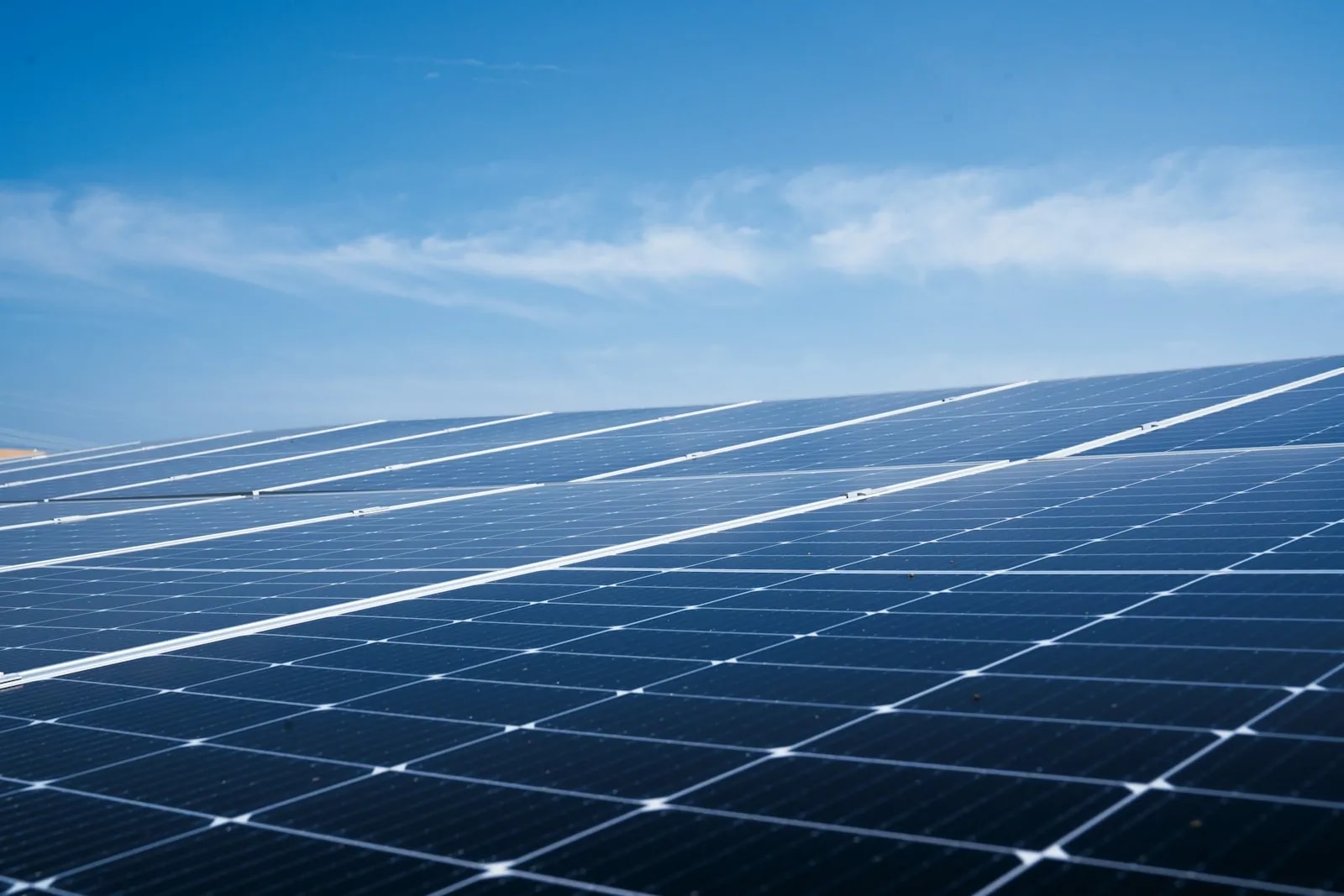
Shams Dubai is DEWA's programme for connecting solar panels on buildings to Dubai's power grid[1]. It sits inside DEWA's Distributed Renewable Resources Generation programme, and it implements Dubai Executive Council Resolution No. 46 of 2014.
The mechanic is net metering. Your home uses its own solar power first. Whatever you do not use flows out to DEWA's network through a generation meter, and DEWA offsets that surplus against your bill[2].
DEWA's own wording: "The electricity is used on site and the surplus is exported to DEWA's network."[1]
Real talk: DEWA does not publish a credit rate, a ratio, or rollover rules for that offset anywhere on its Shams Dubai pages. Plenty of installer websites quote one. We will not, because we cannot show you where it comes from. Ask DEWA or your enrolled contractor for the current billing mechanics before you build a budget around them.
There is a customer-facing Shams Dubai track on dewa.gov.ae with a safety guide, publications and a solar calculator for a personalised estimate[3]. That calculator is a better starting point than any savings figure in a sales deck, including ours.
How does the DEWA solar connection process work, step by step?
Six steps across three stages: application, inspection and connection, then generation[2]. You do not apply directly. A DEWA-enrolled contractor or consultant acts as your agent from step one.
| Stage | Step | What happens | Who acts |
|---|---|---|---|
| A: Application | 1 | You engage a DEWA-enrolled solar consultant or contractor, who reviews feasibility and advises on the system design | You and the enrolled contractor |
| A: Application | 2 | The contractor submits the building application to DEWA | Enrolled contractor |
| A: Application | 3 | DEWA approves the technical design and issues an estimate of the applicable connection fee | DEWA |
| B: Inspection and connection | 4 | The contractor confirms the fieldwork is done and the system is ready for inspection | Enrolled contractor |
| B: Inspection and connection | 5 | DEWA inspects the site, the connection agreement is signed, the generation meter is fitted, and the system is connected to the grid | DEWA, contractor and you |
| C: Generation | 6 | The system generates power, surplus is exported to DEWA's grid, and DEWA offsets your bill accordingly | DEWA |
Two details buyers miss. First, the connection fee is an estimate issued at step 3, not a published flat figure. Second, your system size is capped. DEWA limits installed capacity to a share of the property's Total Connected Load, under the Shams Dubai Connection Conditions. It can set a lower limit where the local grid requires it[2].
That cap matters more than roof space for most Dubai villas. Your contractor sizes the array against your connected electrical load. Roof area is the second question, not the first.
Do you have to use a DEWA-enrolled solar contractor?
Yes. DEWA's process opens with engaging one of its enrolled consultants or contractors, and DEWA states plainly that this party acts as your agent[2]. DEWA also publishes the enrolled register on its own site[4].
Common mistake: taking a quote from a company that is not on that register. Check the list before you sign. A company that cannot file your Shams Dubai application cannot connect your system, however good the panel price looks.
Here is where we fit. Dubai Smart Home designs the automation and energy-management layer that sits on top of a solar system: monitoring, load scheduling, battery dispatch and EV charger control. Our published solar, storage and EV scope is on the energy management and solar page[12]. The DEWA submission itself runs through the enrolled contractor relationship, and we work alongside that, not instead of it.
Does Dubai's sun match when your villa needs power most?
Dubai's sun mostly matches when your villa needs power, and that is the good news. Cooling is the biggest line on a Dubai DEWA bill in summer, and your AC works hardest through the same daylight hours your panels are producing. A solar system and a Dubai cooling load are broadly in step.
The match is not perfect. Generation follows a bell curve that peaks around midday and falls away by late afternoon. Cooling demand keeps climbing into the late afternoon and early evening, after the building fabric has soaked up heat all day.
So you get two gaps. A midday surplus you may be exporting rather than using, and an early-evening peak your panels no longer cover. Those two gaps are exactly where automation earns its place, and where a battery does too.
Does Dubai's heat reduce how much your panels produce?
Yes. Heat lowers a solar panel's output, and this surprises people. Panels are rated in a lab at a 25 C cell temperature. Output falls as the cell gets hotter, and a roof in a 48 C Dubai summer runs far above 25 C.
The figure to look for on any datasheet is the temperature coefficient of Pmax. The Trina Vertex S+ datasheet, one of the panel families we work with, gives roughly -0.29 percent per degree C[7]. In plain English: every degree the cell sits above 25 C costs you about 0.29 percent of rated output.
Quick math: if a cell reaches 65 C on a summer afternoon, that is 40 degrees above the rating. At -0.29 percent per degree, the panel gives roughly 11.6 percent less than its label. That is arithmetic on a published coefficient, not a measured result from your roof.
This is why the sunniest month is not automatically the strongest month per panel. It also explains why panel choice, mounting height and airflow behind the modules matter more in Dubai, UAE than they do in a cooler climate. Ask your enrolled contractor for the temperature coefficient of the exact module they are quoting.
How much does dust cut solar output in Dubai?
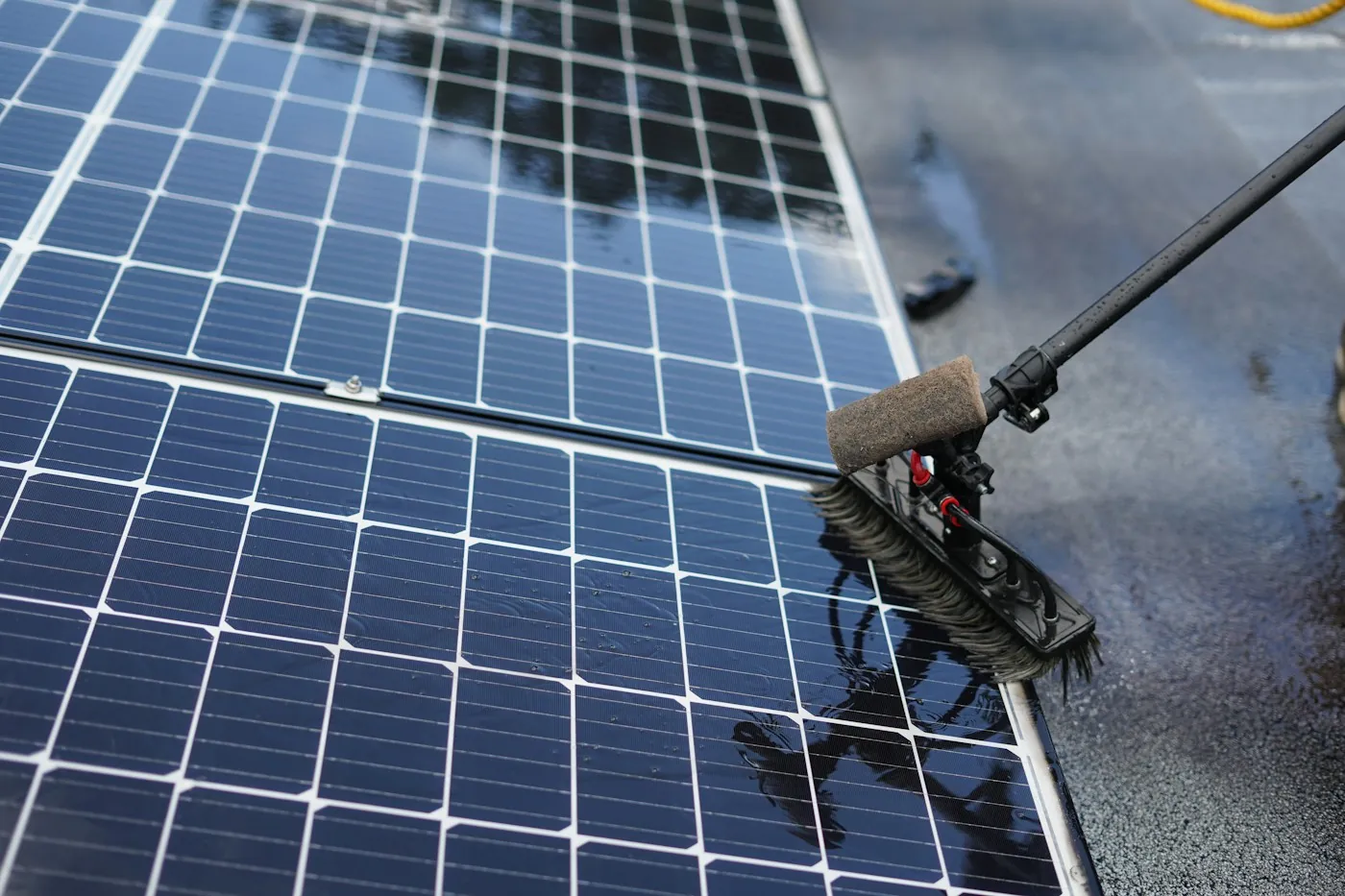
Dust cuts solar output in Dubai enough that cleaning becomes a running job, not a one-off. Research on PV performance in UAE weather conditions found output losses in the single digits within about ten days without cleaning. Those losses climb into double digits over one to three months[8].
Desert-climate studies on cleaning frequency point the same way: the longer the interval between cleans, the larger the power loss[9]. Middle East scheduling research treats roughly monthly cleaning as a sensible baseline, with the interval tightening after dusty weather[10].
A shamal or a sandstorm compresses that timeline. A layer that would have taken weeks can land in a day, and the drop shows up in your generation figures the following morning.
No smart home system cleans your panels. Automation can tell you output has dropped and roughly when it started. Someone still has to go up with water and a brush, or book a cleaning service.
Does a smart home make solar panels generate more power?
No. It does not. This is the sentence most solar and automation marketing avoids, so we will put it in bold and leave it there.
Generation is set by physics and hardware. The panels, the inverter, the roof angle, the sun, the cell temperature and how clean the glass is. A smart home system touches none of those.
What automation changes is when you consume the power you generate. It changes how much of it you use on site instead of exporting. It also changes how fast you find out when something is wrong. That is a real financial gain. It is just a different gain, and anyone selling it as extra kilowatt-hours from your roof is selling you something that does not exist.
Read the rest of this article with that line in mind. Every benefit below is a timing benefit, a visibility benefit, or a control benefit.
What does smart home automation add to a solar system in Dubai?
Three things: load shifting, per-circuit monitoring, and battery scheduling. Load shifting is the one that moves money.
Every villa has flexible loads that do not care what time they run. The pool pump does not mind whether it filters at 11am or 11pm. The water heater does not mind when it heats. Left alone, those loads run on habit or a dumb timer, often at night, drawing from the grid while your midday generation is being exported.
| Load | What it does without automation | What a scheduled version does | The real benefit |
|---|---|---|---|
| Pool pump and filtration | Runs on a fixed timer, often overnight or split across the day | Runs during peak generation hours, with a variable-speed pump held at a lower speed for longer | Moves one of a villa's largest flexible loads onto your own power. See our pool and outdoor automation scope |
| Water heater | Heats on demand or on a fixed schedule, sun or no sun | Pre-heats during generation hours, then holds temperature | Shifts a high-draw resistive load into daylight |
| Laundry: washer and dryer | Runs whenever it suits, usually evening | A smart plug or scene nudges the cycle into the middle of the day | Small, but free once the system is in place |
| EV charging | Plugged in overnight out of habit | Charges during generation hours, or from a battery filled during the day | The single largest controllable load in most villas moves off night-time grid import |
| Pre-cooling the house | AC reacts as rooms warm through the afternoon | Cools slightly earlier while generation is strongest, then coasts through the evening peak | Shifts part of the cooling load into the strongest solar window, with no comfort change. This is zone climate control doing the work |
| Battery charge and discharge | Nothing to schedule without a battery | Charges from midday surplus, discharges into the late-afternoon and evening peak | Extends the value of solar hours past sunset instead of exporting everything at noon |
The second gain is per-circuit monitoring. A single whole-house number tells you very little. Circuit-level data separates generation from consumption, and separates the pool from the AC from the kitchen.
That is how a dust-related drop or a failed inverter string gets caught in weeks rather than on a bill three months later. Set an alert on generation falling below its expected curve for the season and you have turned panel cleaning into a scheduled task instead of a guess. Monitoring rides on your home network, so a stable setup matters here too, which is what our home networking work covers.
From our projects: the households that get the most out of solar are the ones with the most movable load[13]. A villa with a pool, an EV and electric water heating has far more to shift than a villa without them.
Want your loads mapped before you size an array. Talk to us or message the team on WhatsApp.
How does a home battery in Dubai fit with DEWA net metering?
A battery is optional, not a requirement. Net metering is designed around exporting surplus to the grid, so you do not need storage to get bill offset for the power you do not use.
What a battery buys you is different. It buys backup during an outage, and it buys control over when your own generated power gets used. Without one, your load shifting is limited to daylight hours. With one, midday surplus can be released into the evening.
Dubai Smart Home specifies Tesla Powerwall 3, which holds 13.5 kWh of usable capacity per unit and stacks to four units, and Sonnen ecoLinx[12]. The automation layer decides when each one charges and discharges, based on generation, house demand and the times of day your home actually draws the most.
One caveat. DEWA does not publish a residential time-of-use tariff that we can point you to. So any battery schedule we build follows your home's own demand pattern, not a published DEWA rate clock.
Can you charge an EV from your home solar in Dubai?
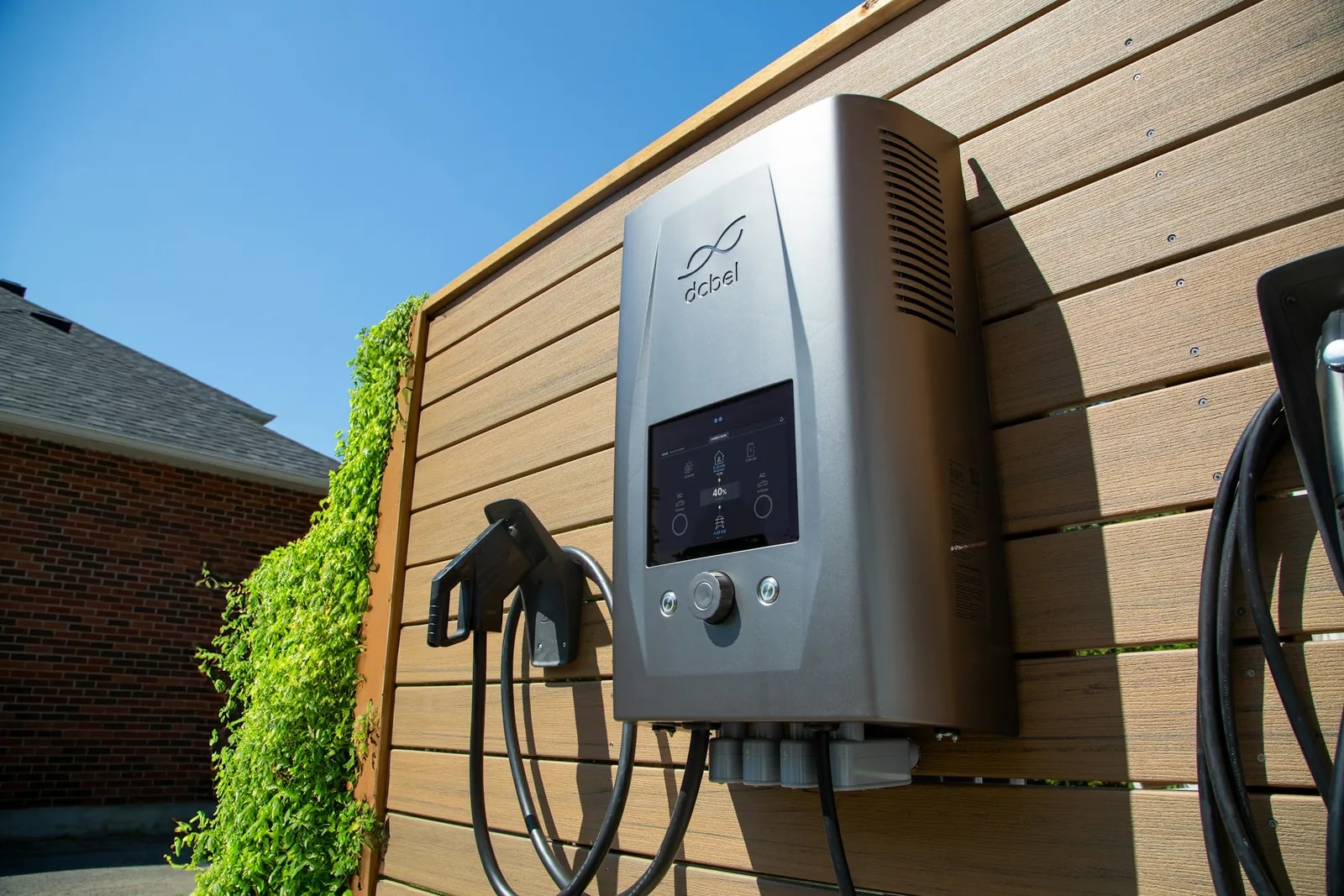
In practice, yes, by scheduling the charger to run while your panels are producing. The electricity does not carry a label, but the timing decides whether the car draws from your roof or from the grid. For the charger itself, our home EV charger guide for Dubai villas covers DEWA approval, cost and charger size.
The regulatory side is straightforward. DEWA launched its EV Green Charger Initiative in 2014, and home wall-box charging is one of the charger categories DEWA recognises alongside public, fast and ultra-fast stations[5]. Registration runs through RTA first, then DEWA sets up the EV Green Charger account. DEWA reported registered owners growing from 14 in 2015 to 20,903 by the first quarter of 2025[6].
Real talk on tariffs: we could not find any DEWA page stating a solar-linked or off-peak residential EV rate. If an installer tells you DEWA discounts home EV charging at certain hours, ask them to show you the DEWA page. The saving from daytime charging comes from using your own generation instead of importing, and that is an automation choice you control.
Dubai Smart Home specifies Wallbox Pulsar Max, Tesla Wall Connector Gen 3 and ABB Terra AC units, all at 22 kW, and coordinates their installation. Charger installation starts from AED 2,400 on our published energy service page[12]. The scheduling logic then lives in the same system that runs your pool pump and pre-cooling.
Villa or apartment: who can install solar panels in Dubai?
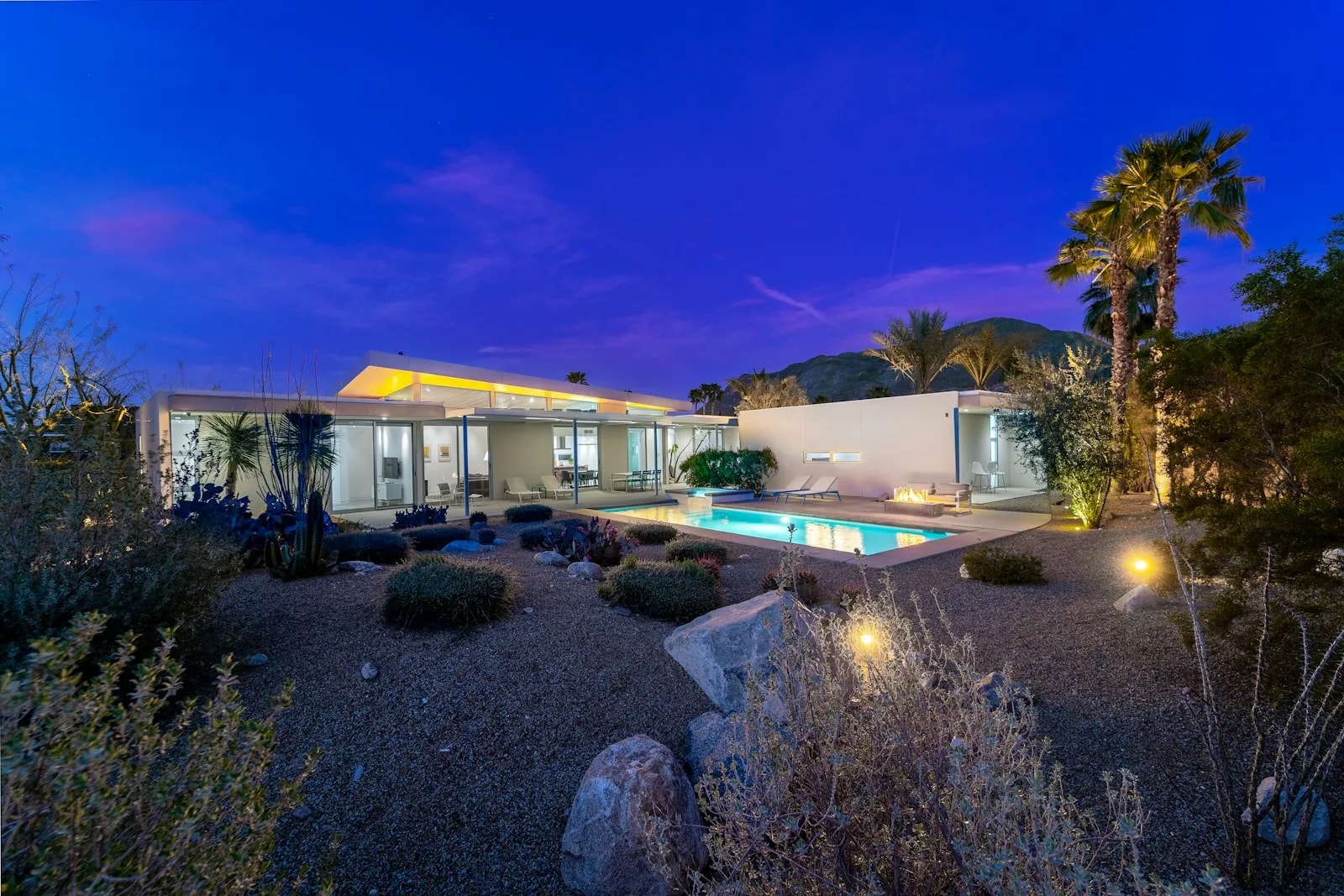
Villas, in almost every case. Apartments, generally not. This is the honest limit of the whole topic, and it deserves a straight answer rather than a footnote.
An apartment owner in Dubai Marina or Business Bay does not hold rights to the building's roof. The roof belongs to the building, not the unit. There is no place to mount an array, and no route to apply to DEWA as the customer of record. Rooftop solar on that building is a decision for the owners' association and the developer, not for you.
| Factor | Villa | Apartment |
|---|---|---|
| Roof and generation rights | You own the roof and can apply through an enrolled contractor | No individual roof rights; the roof belongs to the building |
| Shams Dubai eligibility | You are the DEWA customer of record for the property | Not practically available to a single unit owner |
| Battery storage | Optional add-on, your choice | Nothing to store without on-site generation |
| EV charging | Private wall-box plus DEWA EV Green Charger registration | Depends on the building and parking, and is separate from solar |
| What automation can still do | Load shifting, monitoring, battery dispatch, EV scheduling: everything in this article | Consumption-side control only, mainly AC and lighting |
If you are in an apartment, the useful question is not solar. It is cooling, and in most Dubai towers cooling is billed by a district-cooling provider rather than DEWA. That is a different problem with a different answer, and we wrote it up in our guide to district cooling and smart thermostats in Dubai.
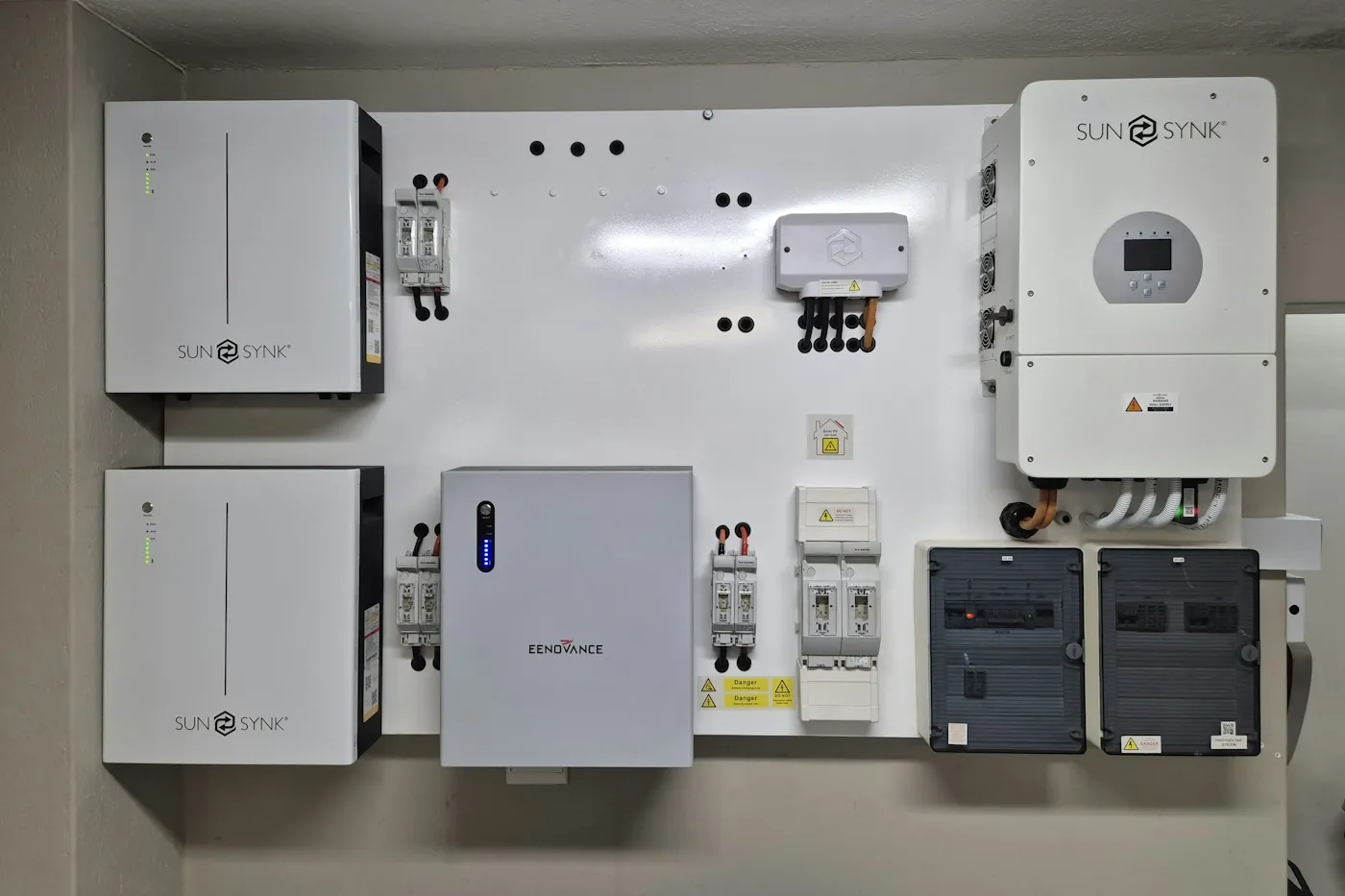
What else can block a solar project: roof, shade or community rules?
Roof condition, shading and community rules can each hold up a Dubai solar project. Start with the roof itself: orientation, tilt and shade decide how much a given array actually produces. A water tank, a parapet wall, a neighbour's new extension or a mature tree can take a whole string down at certain hours.
Ask your enrolled contractor for a shade study across the day and the year, not just a panel count. Two roofs of the same size in Dubai Hills Estate can produce quite differently once shading is modelled properly.
Check these three things before you assume DEWA approval is the only approval you need.
- Community or developer sign-off: gated communities often ask their owners' association or the master developer to approve anything mounted on a roof. This is not a DEWA rule, and we cannot point you to a published source that makes it universal. Ask your community management directly, early.
- Roof structural check: adding panels adds load and wind uplift. A structural review is a normal step for any roof modification. Again, treat this as a sensible check to raise with your contractor rather than a rule we can cite.
- Villa modification rules: some communities restrict visible roof equipment for appearance reasons. Better to hear that before the design is finished.
For new builds, the picture is easier. Dubai Municipality runs Al Sa'fat, the city's green building evaluation system, which sets energy requirements for new buildings[11]. If your villa is still under construction, running conduit and panel-board provision for solar and a charger now costs a fraction of doing it later.
What does solar plus the automation layer cost in Dubai?
The only figures we will put in front of you are our own published ones, from the Dubai Smart Home energy service page[12]. These are typical installed prices for the scope we design. They are not DEWA figures, and DEWA does not publish system prices.
- Solar and storage projects start from AED 80,000 for a typical villa scope.
- A full energy stack runs AED 250,000 to AED 700,000. That covers solar, battery storage, EV charging and a circuit-level panel such as Span.
- EV charger installation starts from AED 2,400 as a standalone item.
- Typical residential arrays land at 10 to 30 kWp, with premium estates going up to 60 kWp, subject to DEWA's capacity cap.
Across our own energy projects, the median result we publish is a 30 percent reduction in the DEWA bill[12]. That is Dubai Smart Home's own portfolio figure, not a guarantee and not a DEWA statistic.
On payback, we are going to disappoint you slightly. There is no single honest number. It depends on what you spend now, your system size, and how much of your generation you use on site instead of exporting. The number of movable loads in your home matters too. A villa with a pool and two EVs sits somewhere very different from a villa with neither.
Use DEWA's own Shams Dubai calculator for a personalised estimate[3]. Then have your enrolled contractor model it against twelve months of your real bills. Any installer quoting you a fixed payback in years without seeing those bills is guessing.
Want the automation side scoped against your actual villa. Book a consultation or message us on WhatsApp. Sales enquiries are answered within 2 hours.
How is this different from just cutting your DEWA bill with automation?
It is the difference between making power and using less of it. Both cut the bill. They are not substitutes, and most homes should do the cheaper one first.
Smart AC and lighting control cut cooling costs 20 to 30 percent, and a villa paying AED 4,000 a month in summer typically saves AED 800 to 1,200. That is consumption-side work, it needs no DEWA application, and it is covered properly in our guide to reducing your DEWA bill with a smart home. If your question is purely about spending less, start there.
If your question is about summer, that season has its own playbook. When to prepare, which actions matter most, and how to tell a normal spike from a fault. That is the summer DEWA bill guide for Dubai, and it deliberately leaves solar out of its savings maths so the numbers stay clean.
This article is the piece those two do not cover: on-site generation, the DEWA process behind it, and what the automation layer adds once panels exist. For the resale and rental side of the question, our article on smart homes and property value in Dubai handles it, and we will not repeat those figures here.
What order should you do this in?
Cheapest and least disruptive first. That sequence also gives you the data you need to size solar properly.
- Fix consumption first. Zone AC control, scheduling and shading. This is the fastest return and it needs no approvals.
- Add monitoring. Circuit-level data for two or three months tells you what your home actually uses and when. That is the input a solar sizing exercise should be built on.
- Get a DEWA-enrolled contractor to design the array. Check the enrolled register[4], get the shade study, and confirm the capacity cap against your Total Connected Load.
- Run the Shams Dubai application through that contractor, and get the connection-fee estimate in writing at design approval.
- Layer the automation on top. Load schedules for the pool pump, water heater, EV charger and pre-cooling, plus battery dispatch if you fit one.
Steps 1, 2 and 5 are what we design and coordinate, installation included. Steps 3 and 4 belong with your enrolled solar contractor, and we will work alongside them rather than claim a role we do not have.
The Dubai Smart Home team has worked on 100+ smart home projects since 2016, and we design and coordinate each one through to handover[13]. We are rated 4.9/5 by Dubai homeowners. For a broader view before you commit, start with our complete smart home guide for Dubai. The villa-specific version is smart homes for Dubai villa owners. For the pool and garden loads that make load shifting worthwhile, see outdoor smart home automation in Dubai.
Ready to talk about the energy layer for your villa. Get in touch, or send us a message on WhatsApp and we will map your loads before any quote is prepared.