Grid-tied solar in Dubai runs through DEWA's Shams programme, which needs a freehold owner, equipment on DEWA's approved list and an enrolled installer. Renters and Northern Emirates homes should look at an off-grid battery system instead.
What we specify most often, and the case each one is right for.
 Top pick
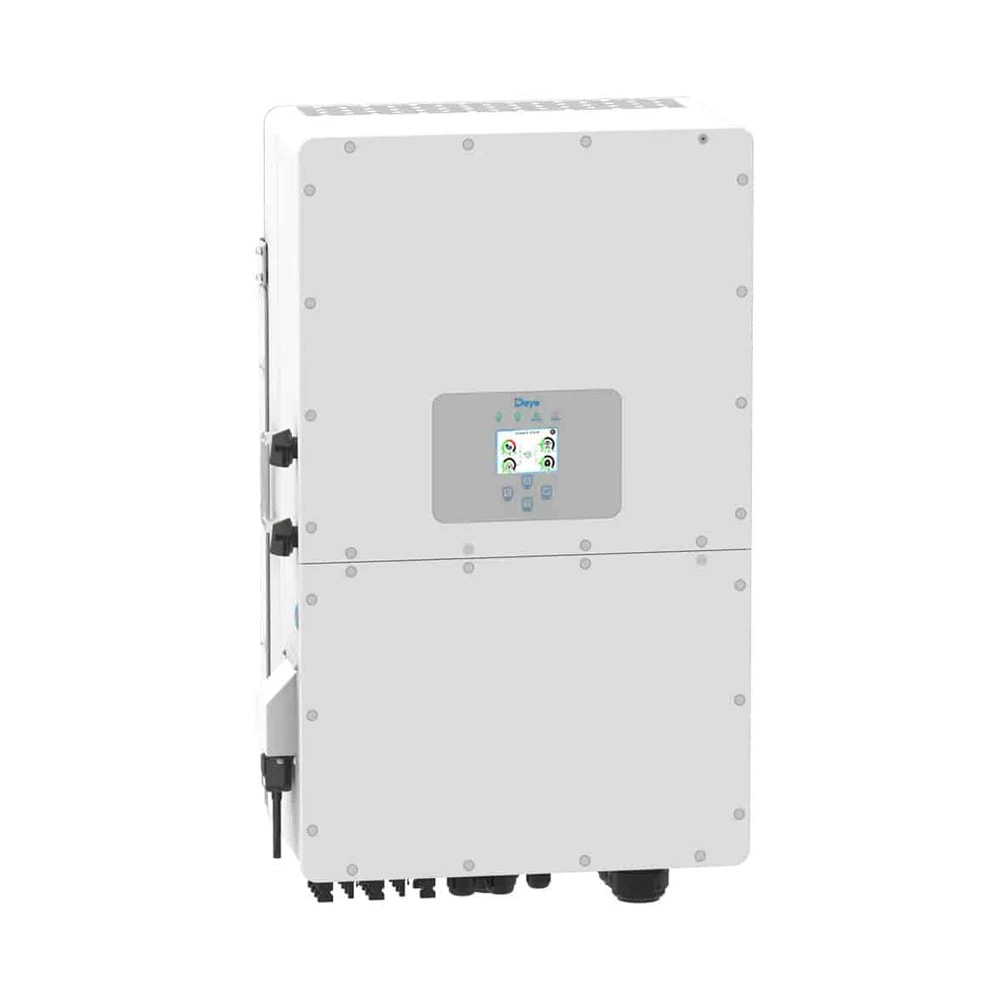 Best three-phase hybrid inverterDeye SUN-30K-SG01HP3-EU Three-Phase Hybrid Inverter30kW across three phases, for a large villa where a single-phase inverter would not even commission.AED 22,660
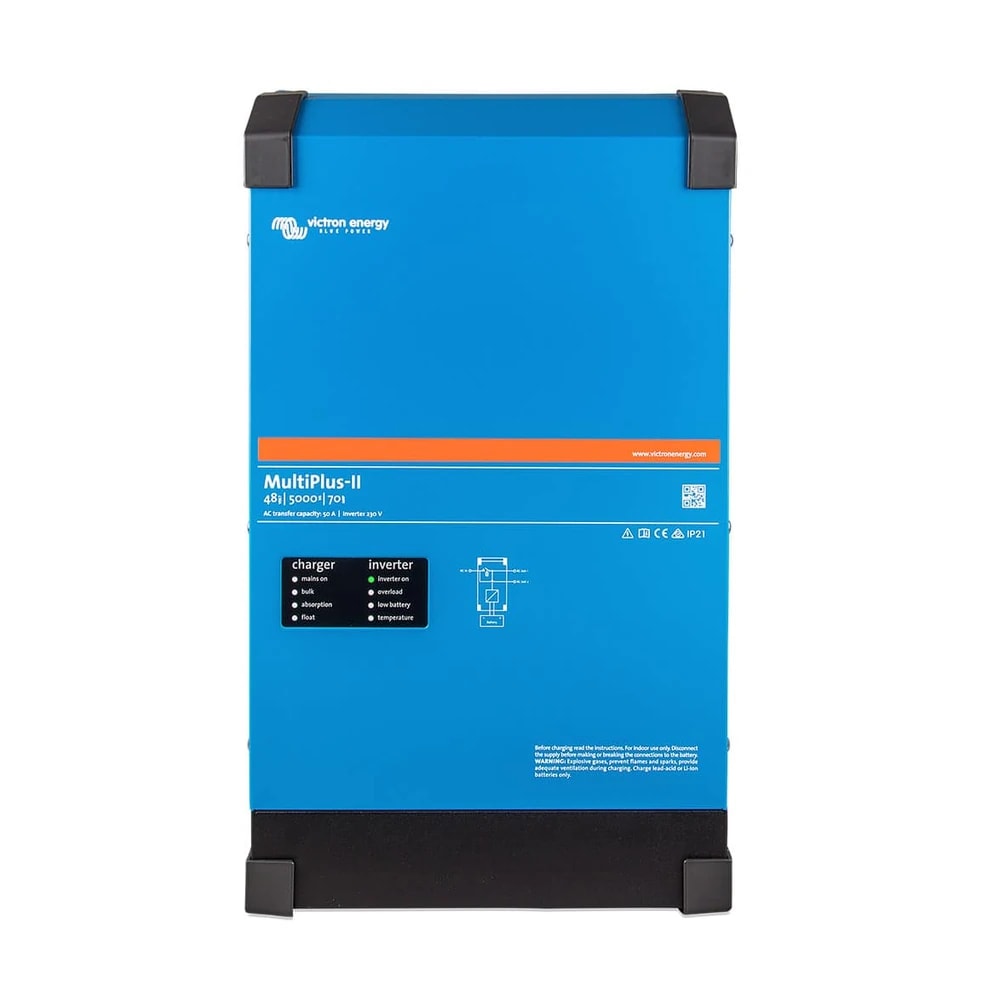 Best for off-grid and rentersVictron Energy MultiPlus-II 48/5000/70-50The off-grid and backup specialist's choice, and the honest answer for renters who cannot use Shams Dubai.AED 4,145
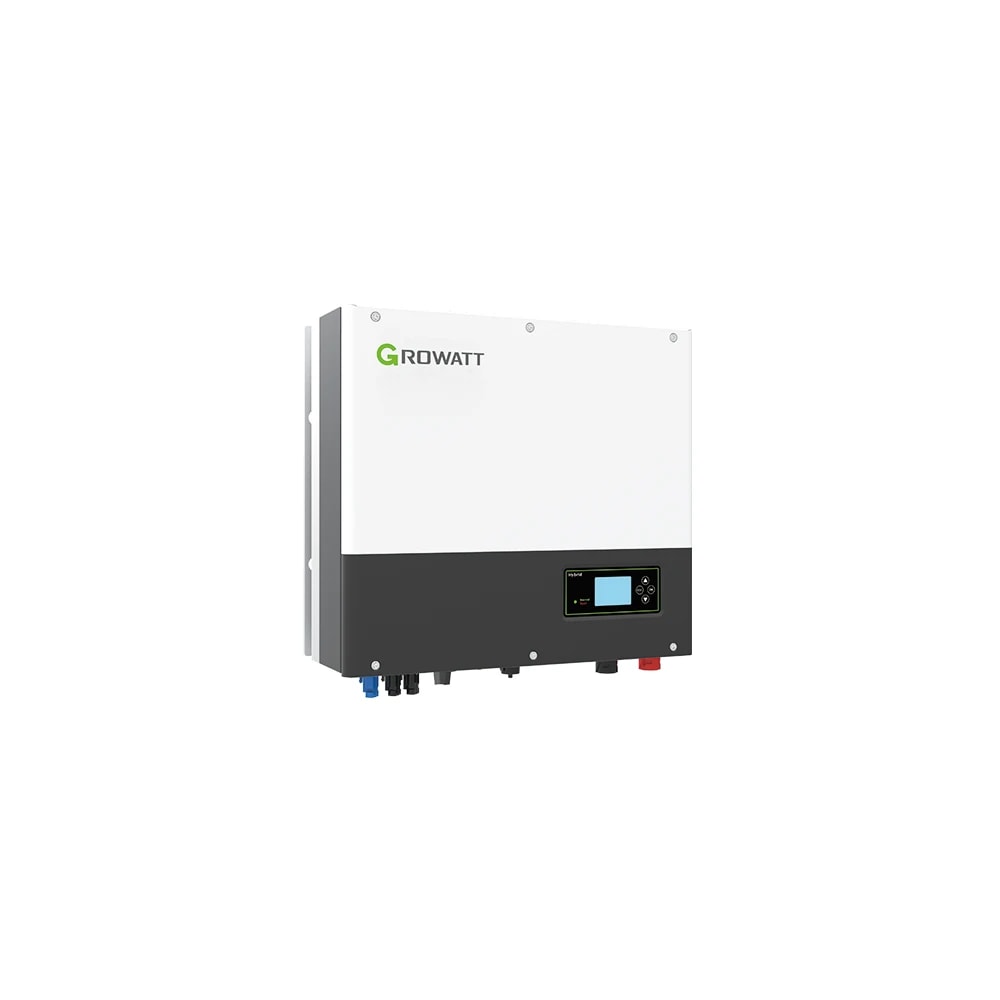
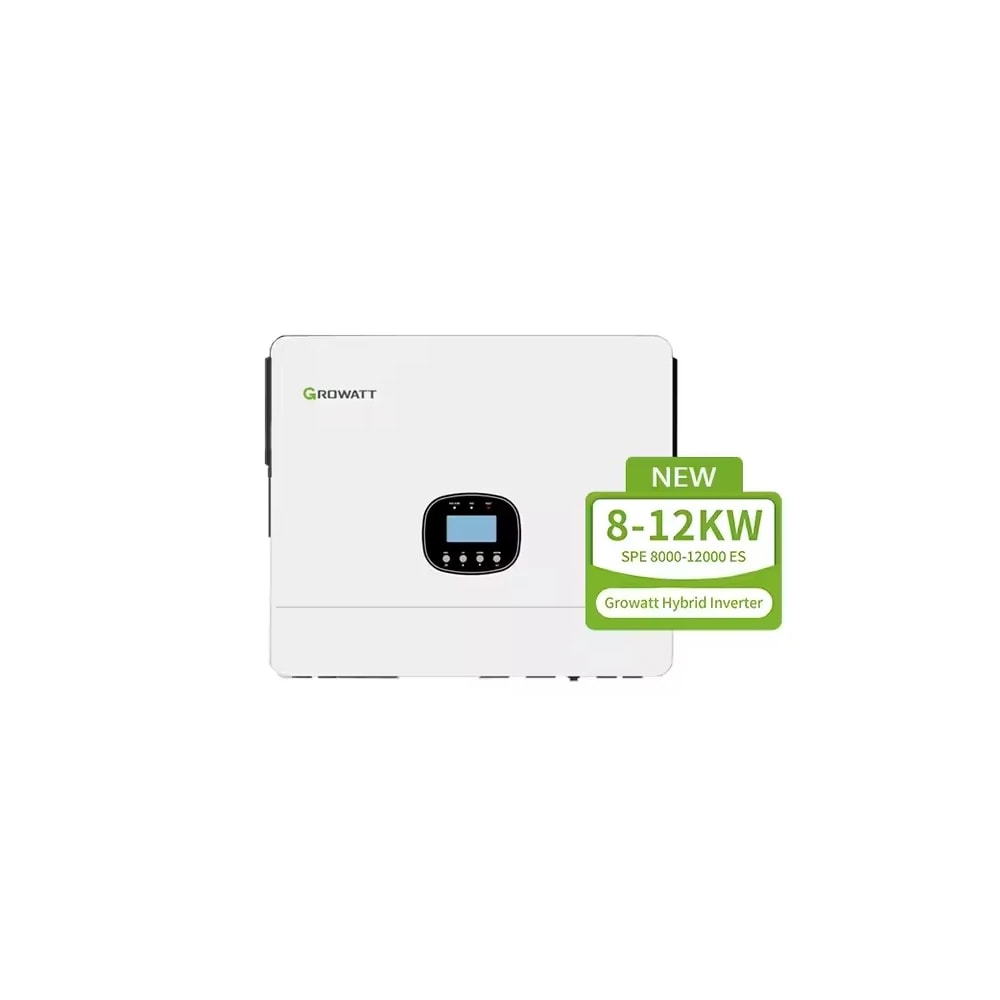
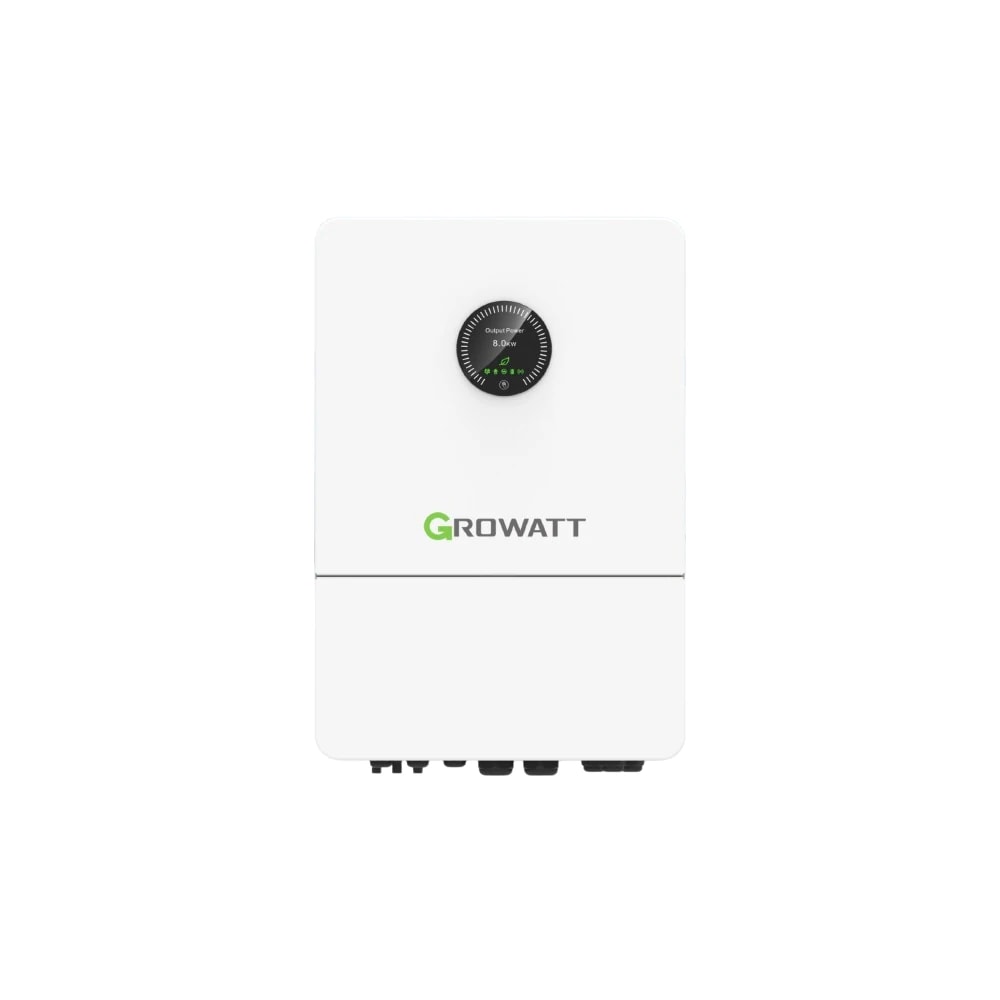 Best value three-phase hybridGrowatt WIT 15K-HU 48VDC Three-Phase Hybrid InverterThree phase, 48V battery bus and IP66 rated: the sensible mid-size villa hybrid.AED 6,930
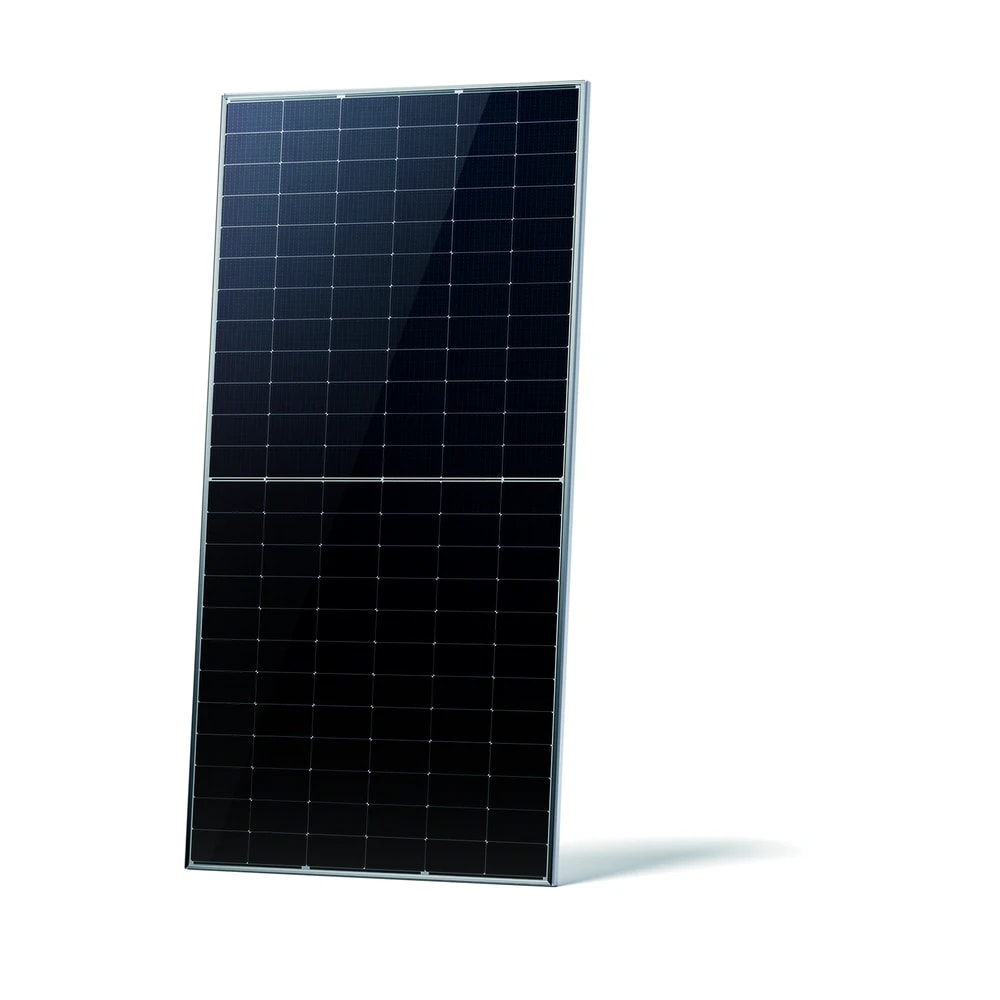
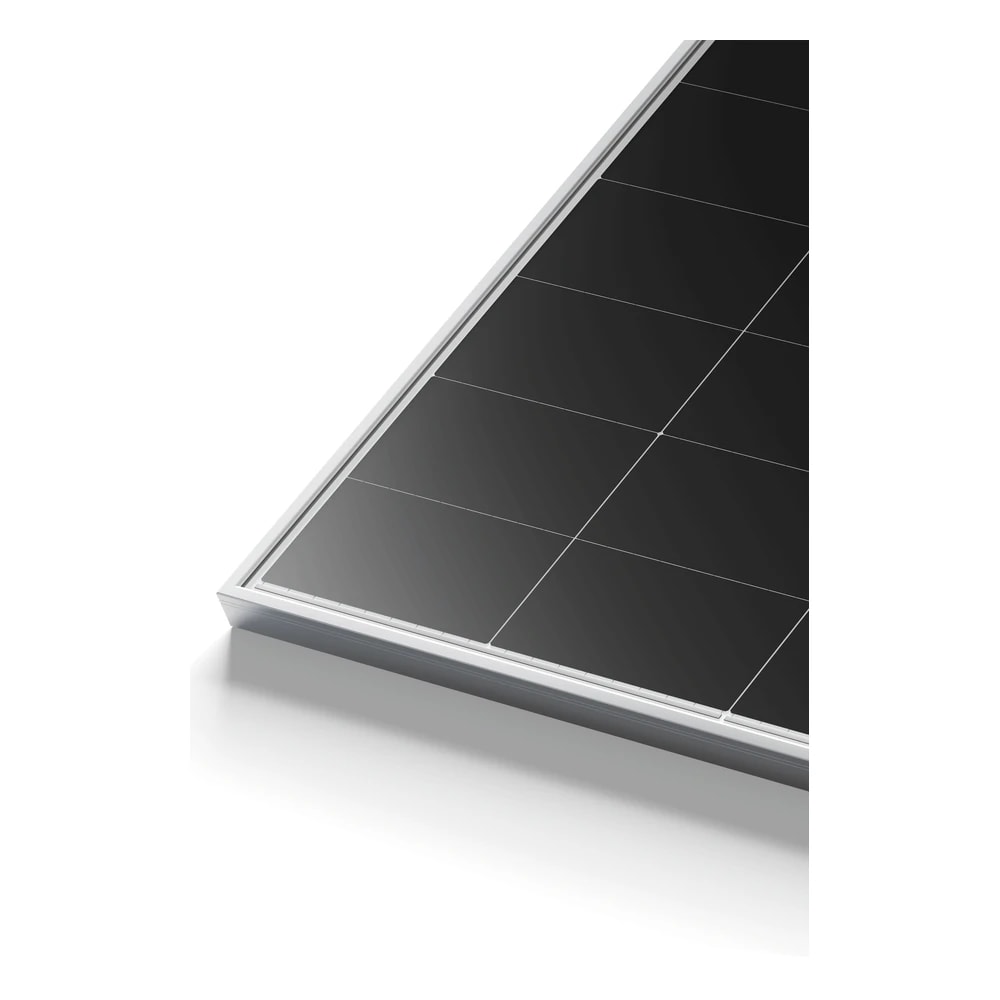
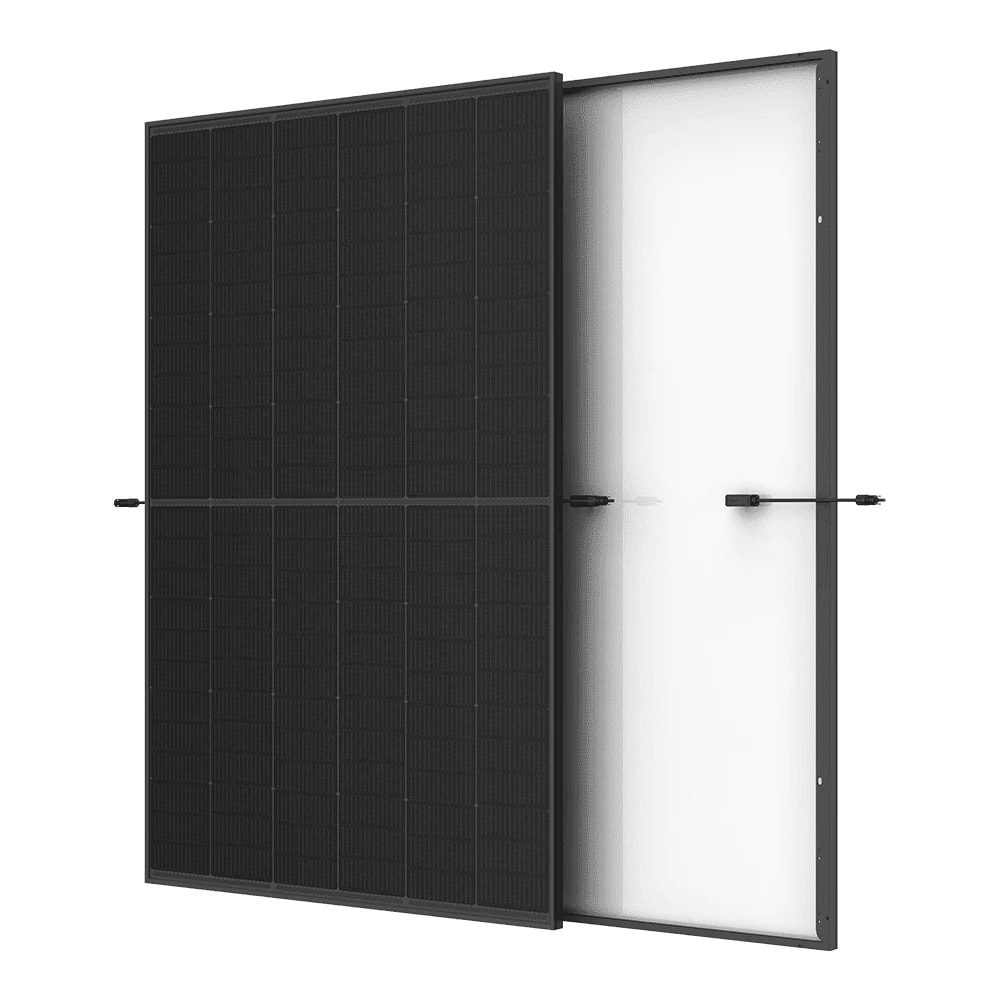
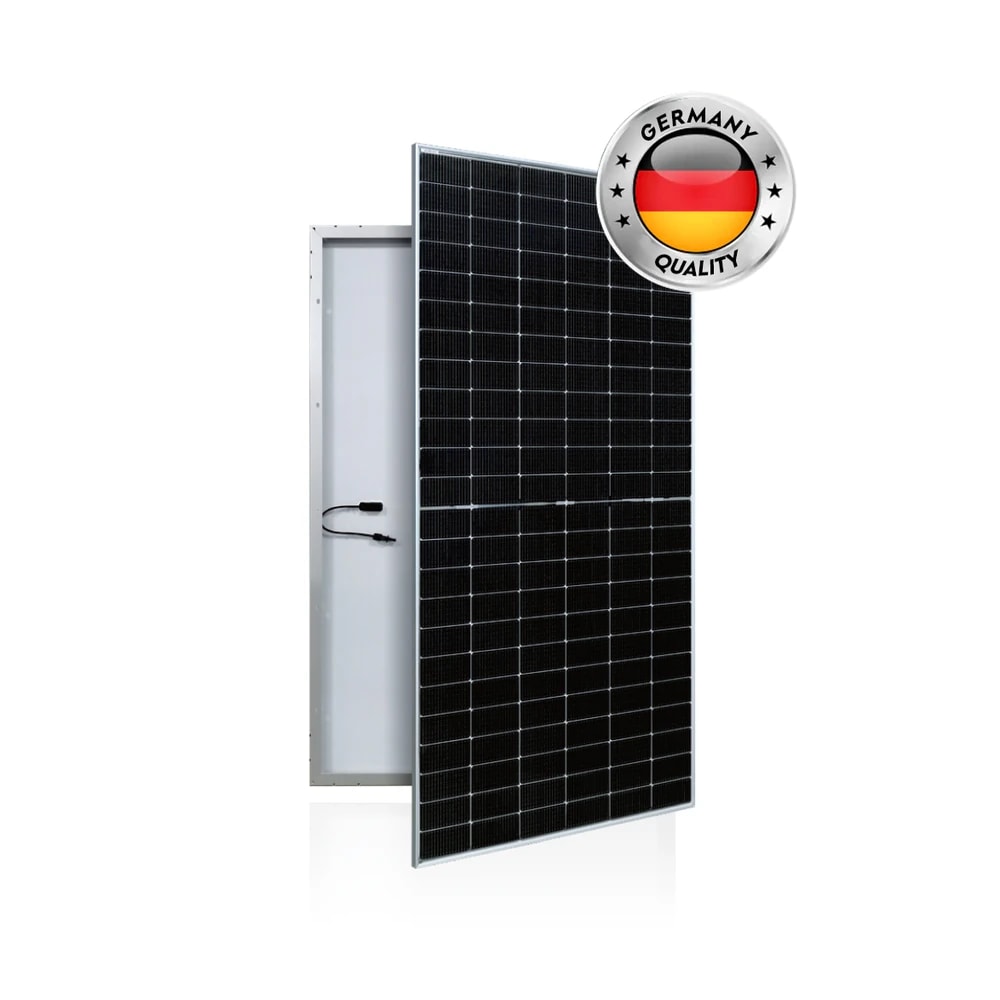 Panel with a published UAE priceAE Solar 580W N-Type TOPCon PanelThe one panel here with a real published AED price, at roughly 0.61 dirhams per watt.AED 355
Solar in Dubai splits into two completely different projects, and knowing which one you are doing saves a lot of wasted conversation. The first is grid-tied under DEWA's Shams Dubai programme: panels feed the house, surplus goes back to the grid, and your bill is offset by credits. It is the option with the better economics, and it comes with real conditions. You have to own the property freehold, every piece of equipment has to appear on DEWA's approved list by model rather than by brand, and the work has to be done by an installer enrolled with DEWA. The second is off-grid or backup: panels and a battery that run independently of the grid, with no DEWA application at all. That suits renters, apartments, Northern Emirates properties outside DEWA's area, and anyone whose real goal is staying on during an outage rather than shaving the bill. Most of the hardware below serves both, but the paperwork, the timeline and the payback are not the same conversation.
| Rank | Product | Best for | Price | Works over | Works with |
|---|---|---|---|---|---|
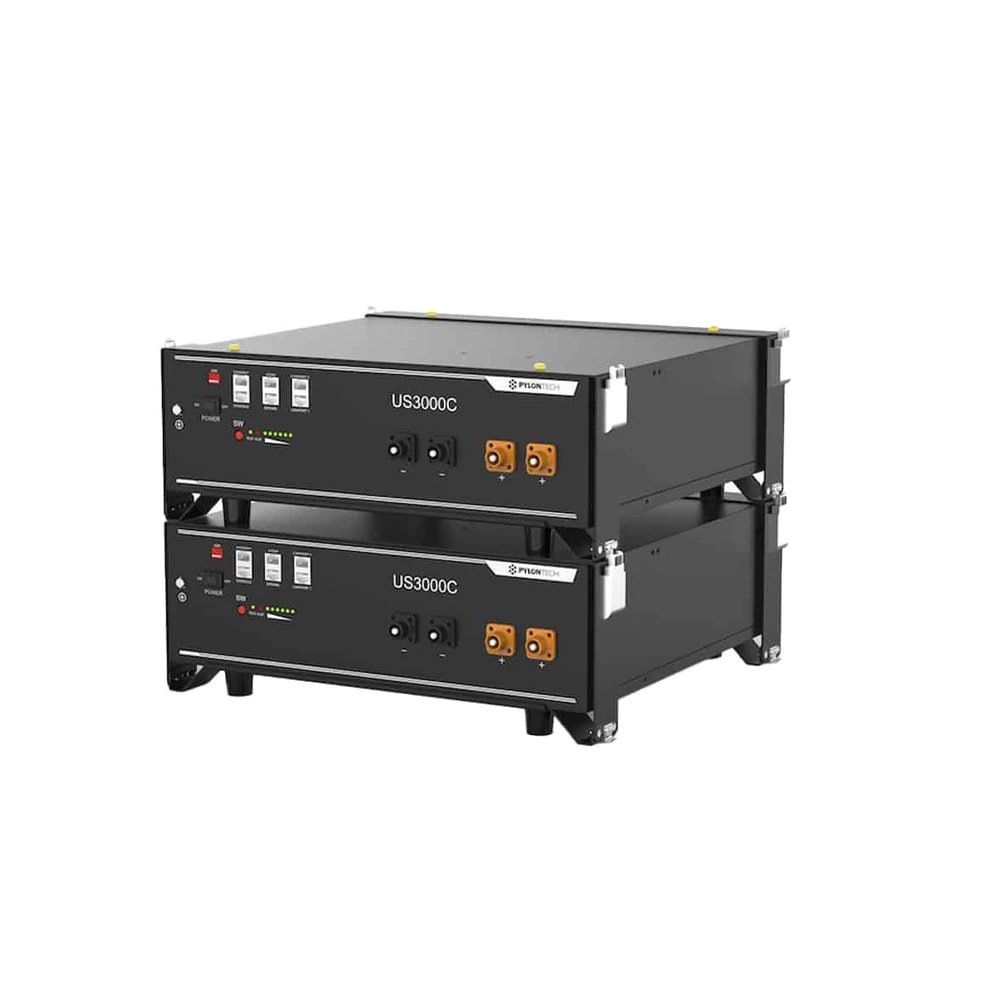
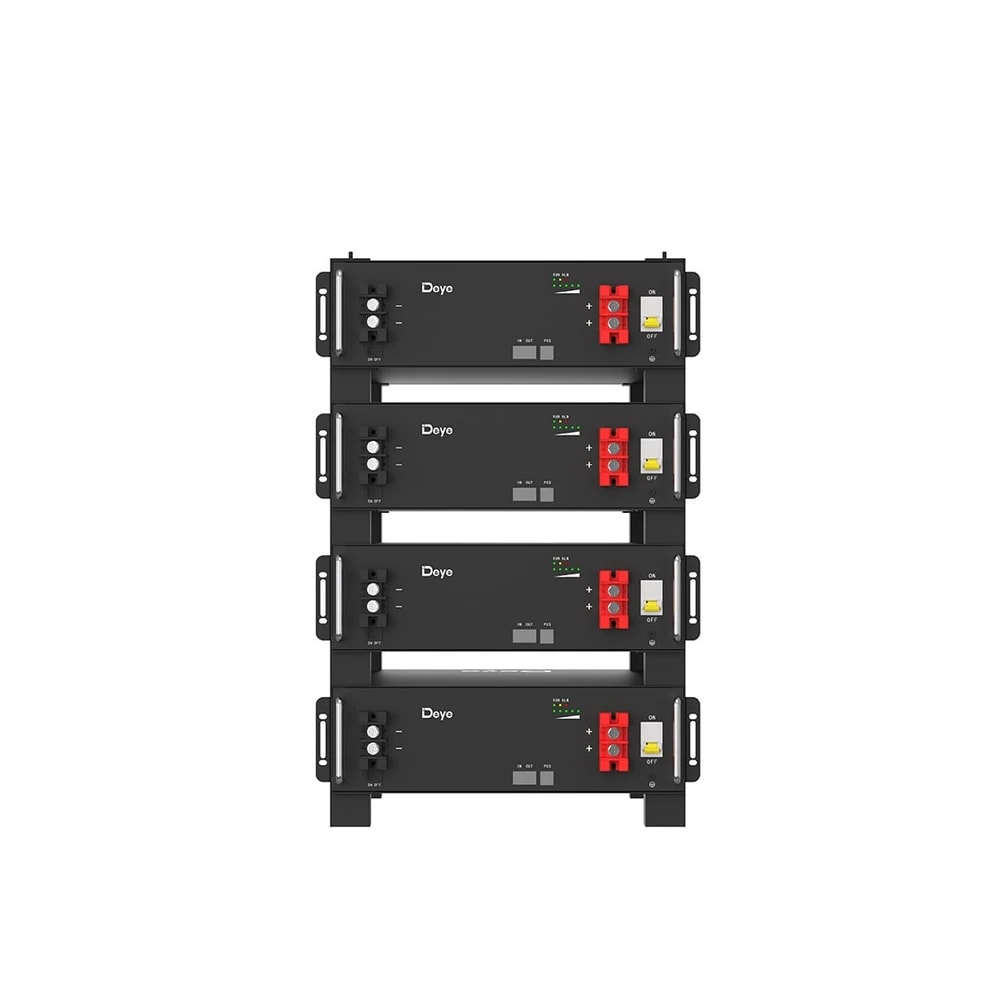
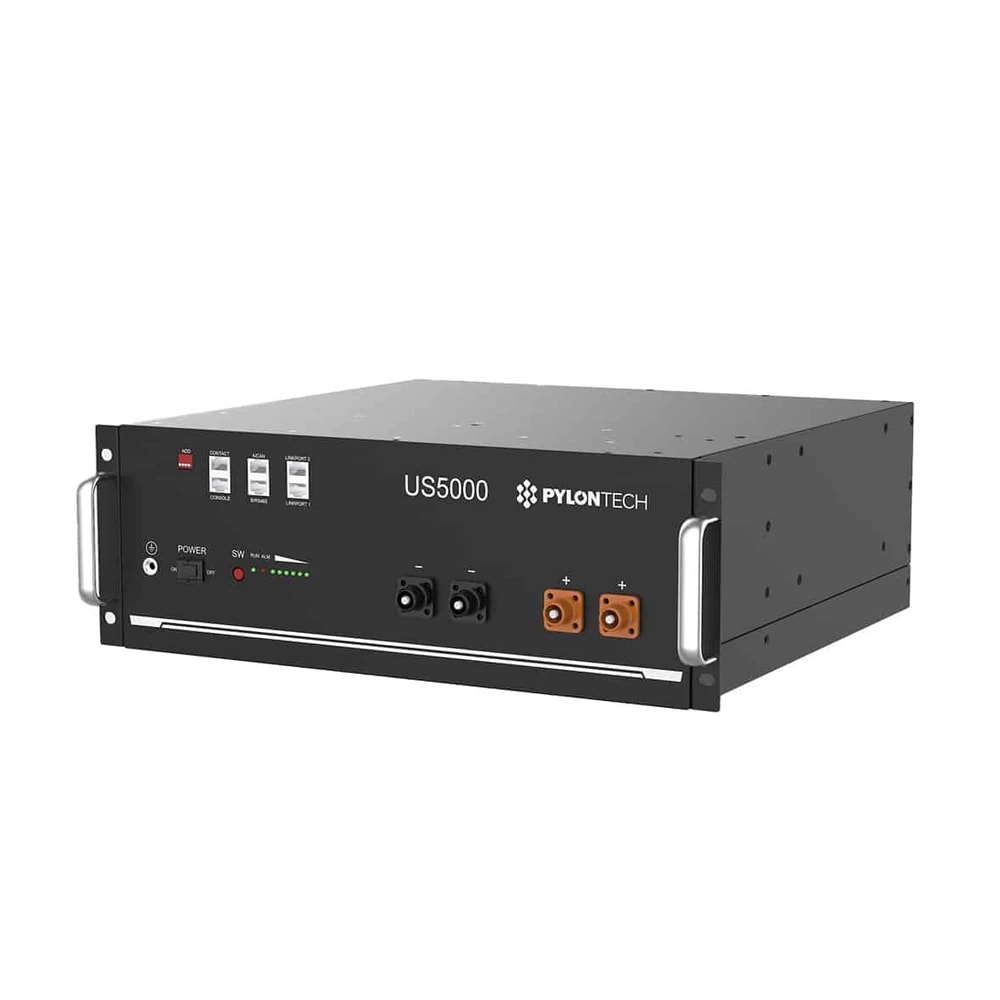
| 1 | Pylontech US5000 4.8kWh 48V Rack Battery | Best battery for most villa systems | AED 4,750 | Wired | Manufacturer app |
| 2 | Deye SUN-30K-SG01HP3-EU Three-Phase Hybrid Inverter | Best three-phase hybrid inverter | AED 22,660 | Wi-Fi, Wired | Manufacturer app |
| 3 | Victron Energy MultiPlus-II 48/5000/70-50 | Best for off-grid and renters | AED 4,145 | Wired | Manufacturer app |
| 4 | Growatt WIT 15K-HU 48VDC Three-Phase Hybrid Inverter | Best value three-phase hybrid | AED 6,930 | Wi-Fi, Wired | Manufacturer app |
| 5 | AE Solar 580W N-Type TOPCon Panel | Panel with a published UAE price | AED 355 | Wired | Manufacturer app |
Answer the ownership question first, because it decides everything after it. If you own the villa freehold and want to reduce a DEWA bill, you are looking at a grid-tied system under Shams Dubai, and the equipment list stops being a matter of preference: DEWA approves specific models, not brands, so a panel or inverter has to be on the list before it can be connected. If you rent, or the property is outside DEWA's area, grid-tie is not available to you and an off-grid or backup system is the honest recommendation.
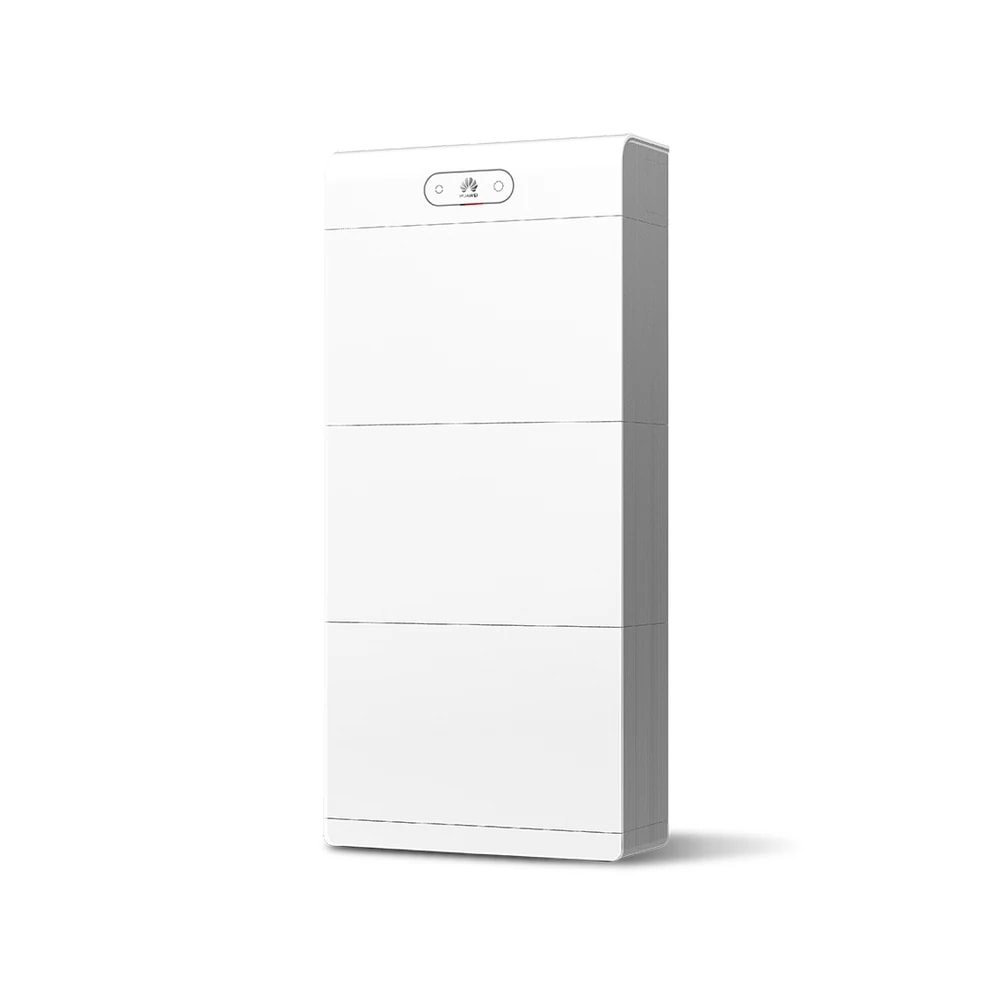
Then size the inverter to the supply, not to the roof. Most Dubai villas are three phase at 400V, so a three-phase hybrid inverter is usually the right specification, and a single-phase unit sized off a brochure will not commission properly. Hybrid inverters handle panels and a battery together, which is what you want if storage is in the plan now or later. A plain grid-tie inverter is cheaper and cannot take a battery at all.
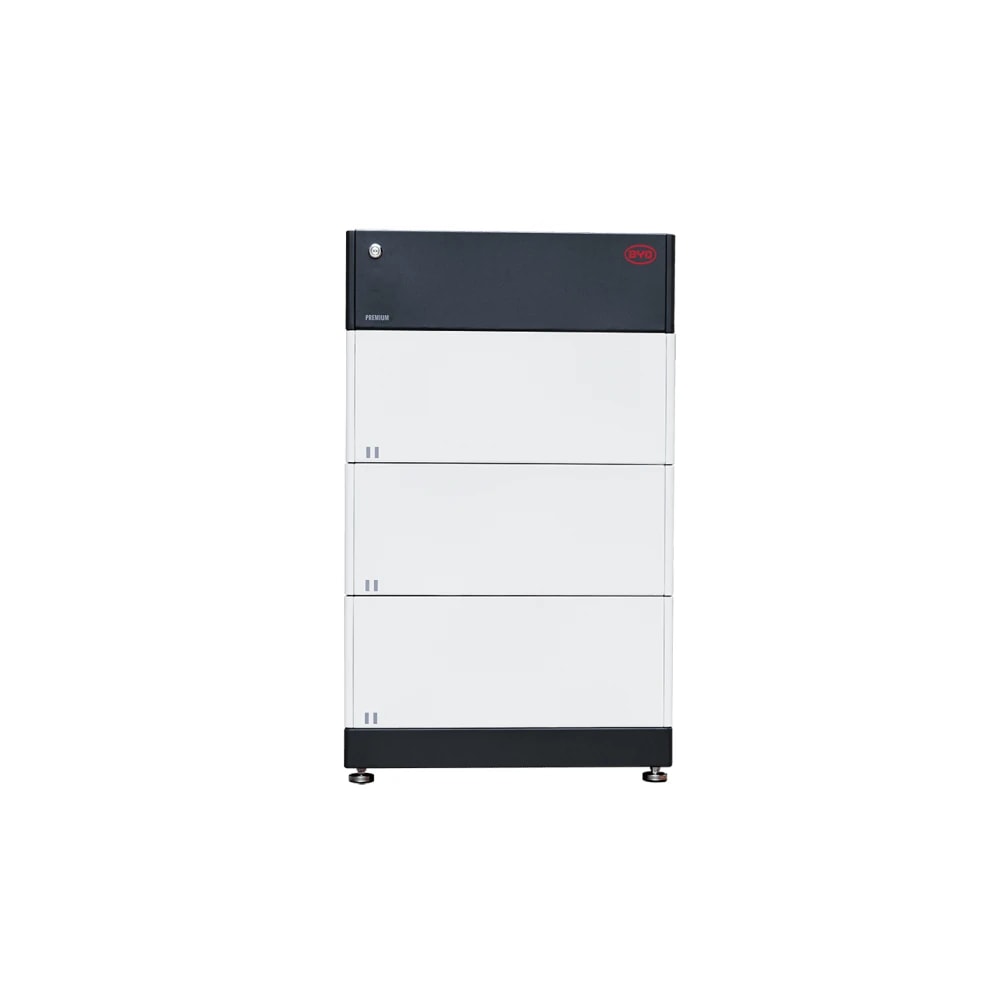
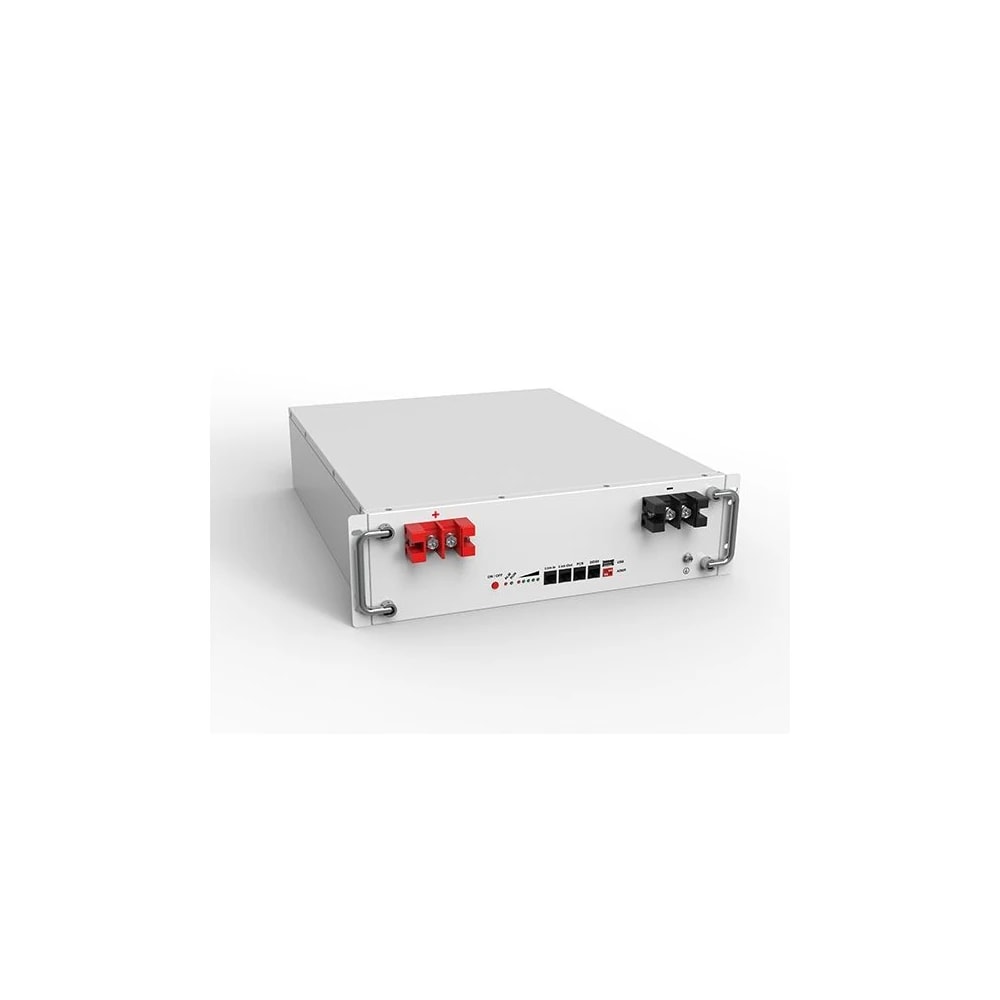
For the battery, work in usable kilowatt hours rather than headline capacity, and check the voltage architecture matches the inverter. Low-voltage 48V systems such as Pylontech pair with most hybrid inverters and are the common choice here. High-voltage stacks are more efficient at larger sizes but tie you to a narrower set of inverters. LiFePO4 is the chemistry worth having: it tolerates heat better than the alternatives, which matters more in this climate than in most.
Last, be realistic about panels. In Dubai the constraint is rarely panel efficiency, it is roof area, shading from neighbouring villas, and the fact that dust cuts output between cleans. A panel rated for high temperature performance is worth more here than one rated for maximum output in laboratory conditions.

Every product here is supplied as part of a working system: checked against your property first, fitted by our own team, and set up with the automations that make it worth having. Ask us for a site visit before you decide on anything.